
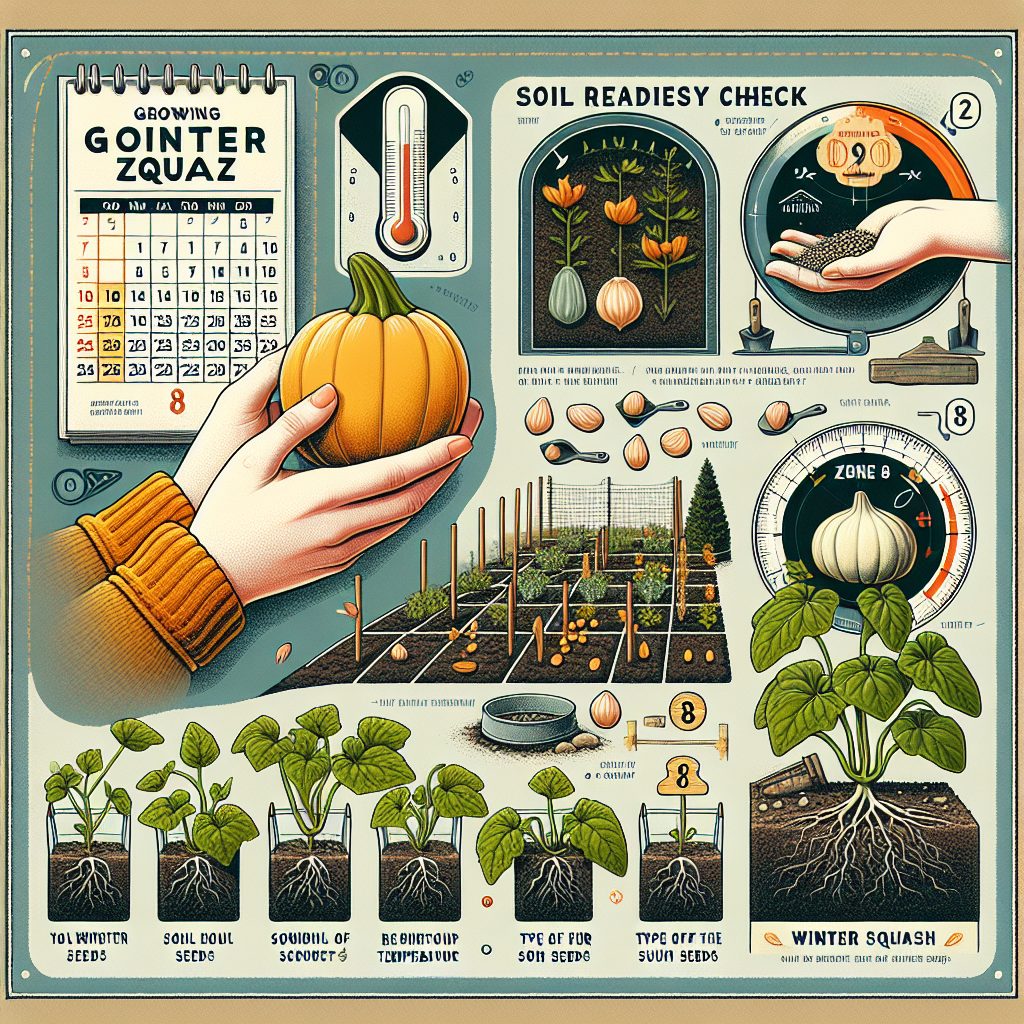
Winter squash, with their mouthwatering flavors and versatility in the kitchen, is a beloved staple in many households. But when should you plant winter squash in USDA Planting Zone 8? This guide will explore when to plant, what varieties thrive, preparation tips, and care throughout the growing season, arming you with the knowledge to cultivate an abundant harvest.
Understanding USDA Zone 8
Before diving into specifics, let’s clarify what USDA Zone 8 is. The USDA Plant Hardiness Zone Map divides the United States into zones based on average minimum winter temperatures. Zone 8 encompasses parts of the southeastern and southwestern United States. In this region, winter temperatures can drop to a minimum of 10°F to 20°F (-12°C to -6°C). The growing season in Zone 8 is relatively long, which allows for a variety of crops, including winter squash.
Why Choose Winter Squash?
Winter squash, which includes varieties such as butternut, acorn, and spaghetti squash, is typically harvested in the fall. Unlike summer squash, which is eaten while immature, winter squash is allowed to mature on the vine, developing a hard rind and sweet flesh.
Not only do winter squashes bring exceptional flavor to dishes, but they are also packed with nutrients, including vitamins A and C, potassium, and dietary fiber. This resilience allows them to be stored for months, making them an excellent choice for winter meals.
When Should You Plant Winter Squash in Zone 8?
Optimal Planting Time
For Zone 8, the best time to plant winter squash is in late spring, specifically between mid-April and early June. The danger of frost in this zone typically ends around mid to late April, making it the perfect time to start your squash.
Frost Dates
Understanding local frost dates is crucial. The last expected frost date in most of Zone 8 falls between April 15 and April 30. It’s advisable to monitor regional weather forecasts for any late frosts that could jeopardize your seedlings.
Soil Temperature
Soil temperature is another essential factor. Winter squash thrives in soil temperatures ranging from 70°F to 95°F (21°C to 35°C). As a general guide, wait to plant your squash until the soil has warmed adequately, ideally reaching about 65°F (18°C) at a depth of two to four inches.
Starting Indoors vs. Direct Sowing
You might wonder: “Should I start my seeds indoors or direct sow them?” While both methods have merits, starting seeds indoors can provide a jump-start on the growing season. You can start seeds 3 to 4 weeks before the last frost, transplanting them outside once they have at least two true leaves and the soil is warm enough.
Direct Sowing: If you prefer to sow seeds directly, wait until after the last frost date. For winter squash, this means that planting should ideally occur about 2 to 4 weeks after the last frost, given the need for warm soil.
Choosing Varieties of Winter Squash
Popular Varieties for Zone 8
-
Butternut Squash: Sweet and nutty, butternut squash is one of the most popular varieties. It does well in warmer climates and stores very well.
-
Acorn Squash: Recognizable by its unique shape, acorn squash has a mildly sweet flavor and can be harvested early for a summer squash experience.
-
Spaghetti Squash: Known for its noodle-like flesh, spaghetti squash is versatile and can be baked, steamed, or microwaved.
-
Delicata Squash: Sweet and creamy, delicata squash is easier to grow and is great for smaller garden spaces.
-
Kabocha Squash: Also known as Japanese pumpkin, kabocha is popular for its dense, sweet flesh and is a favorite in Asian cuisine.
Considerations for Variety Selection
When choosing a variety, consider the following:
-
Taste Preference: Different varieties offer varying flavors and textures, so choose the ones you’re likely to enjoy eating.
-
Growth Habit: Some varieties, like butternut, have a vining habit and require more space, while bush varieties like acorn are more compact.
-
Cooking Method: Consider what dishes you typically prepare. Some squash types are better suited for roasting, while others shine in soups or pies.
Preparing Your Garden for Winter Squash
Soil Preparation
Your soil is the foundation for healthy plants, so ensure it’s well-prepared:
-
Testing Soil: Conduct a soil test to determine pH and nutrient levels. Winter squash prefers slightly acidic to neutral soil (pH 6.0 to 7.5).
-
Enriching Soil: Incorporate organic matter, such as compost or aged manure. This improves soil structure, drainage, and nutrient availability.
-
Tilling: Till the soil to a depth of about 12 inches. This aerates the soil, allowing roots to penetrate easily.
Choosing a Planting Location
Select a location with full sun exposure, ideally receiving at least 6 to 8 hours of sunlight daily. Winter squash also benefits from proper air circulation to reduce disease pressure.
Creating Mounds or Rows
You can plant winter squash in mounds or rows. Mounds, or “hills,” can enhance drainage and provide warmer soil temperatures, which is ideal for squash. To create mounds, pile 2 to 3 inches of soil into a circular shape, approximately 2 feet wide, allowing each mound to be about 3 feet apart.
Planting Winter Squash Seeds
Once your garden is prepared, it’s time to plant:
-
Sowing Seeds: Plant 2 to 4 seeds about 1 inch deep in each mound or make a trench in rows and plant seeds 1 inch deep, spacing them according to variety recommendations (generally about 2 feet apart).
-
Watering: Water the seeds immediately after planting to ensure proper germination.
-
Thin the Seedlings: Once seedlings emerge and have developed a few true leaves, thin them out by snipping the weaker ones to allow space for the stronger plants.
Caring for Winter Squash
Watering
Frequency: Winter squash requires consistent moisture, especially during the flowering and fruit-setting stages.
Method: A drip irrigation system or soaker hoses are ideal as they provide water directly to the root zone without wetting the leaves. Generally, aim for about 1 inch of water per week, either through rainfall or supplemental watering.
Fertilizing
When to Fertilize: Fertilizing is typically necessary in the first month or so post-germination.
What to Use: A balanced fertilizer with equal parts nitrogen, phosphorus, and potassium (N-P-K) will provide essential nutrients. Follow up with a high-phosphorus fertilizer as flowers begin to set.
Pest and Disease Management
Winter squash can be susceptible to pests like squash bugs, cucumber beetles, and aphids, as well as diseases such as powdery mildew.
-
Pest Control: Hand-pick pests when possible, and consider using organic insecticides, like neem oil or insecticidal soap.
-
Disease Prevention: Ensure adequate air circulation by spacing plants properly and avoiding overhead watering, which can promote fungal diseases.
Supporting Vines
As your winter squash plants grow, they may need support. You can use trellises for varieties like butternut and spaghetti squash that do well vertically. Ensure that the fruits are well-supported using slings made of fabric or nets to avoid splitting.
Weed Control
Weeds can compete for nutrients and water, so keep the area around your plants weed-free. Mulching with straw or grass clippings can help suppress weeds, retain moisture, and regulate soil temperature.
Harvesting Winter Squash
As fall approaches, you’ll be excited to see your squash starting to mature. Here are some tips for harvesting:
Timing
Harvest winter squash when the skin is hard and the stem has turned brown and dried out. A good rule of thumb is to start checking for readiness around 75 to 100 days after planting, depending on the variety.
Harvesting Technique
Use a sharp knife or garden shears to cut the squash from the vine, leaving a few inches of stem. Be careful not to damage the skin, as cuts can lead to rot in storage.
Storing Winter Squash
Once harvested, winter squash can be stored for several months if you follow proper procedures:
- Ideal Conditions: Store squash in a cool (50°F to 55°F or 10°C to 13°C), dry, and dark place to extend its shelf life.
- Inspect Regularly: Check your squash for any signs of spoilage and remove any affected fruits to prevent further damage.
Frequently Asked Questions
Can I plant winter squash in the fall in Zone 8?
While it’s possible to plant certain fast-maturing varieties in late summer for a fall harvest, it’s generally recommended to plant winter squash in late spring for optimal results.
What are companion plants for winter squash?
Companion plants like corn and beans, often referred to as the “Three Sisters,” are beneficial. Beans can fix nitrogen in the soil, while corn provides support for climbing squash plants.
Why are my squash leaves turning yellow?
Yellowing leaves may indicate nutrient deficiencies, overwatering, or pests. It’s essential to evaluate the whole plant environment to address the issue.
How can I tell when my squash is ripe?
Squash is typically ripe when the skin is hard, the color has deepened (specific to the variety), and the stem is brown and dried.
What’s the difference between summer and winter squash?
Summer squash is harvested while immature and has soft skins, whereas winter squash is harvested when mature, developing solid, hard skins designed for long-term storage.
Conclusion
Planting winter squash in Zone 8 can be a rewarding experience, providing delicious flavors, vibrant colors, and a sense of accomplishment as you watch them grow. By understanding your local climate, carefully selecting your planting time, choosing the right varieties, and ensuring proper care, you can look forward to a bountiful harvest. Whether roasted, pureed, or baked, your homegrown winter squash promises to shine in your culinary creations throughout the cold months. Happy gardening!