
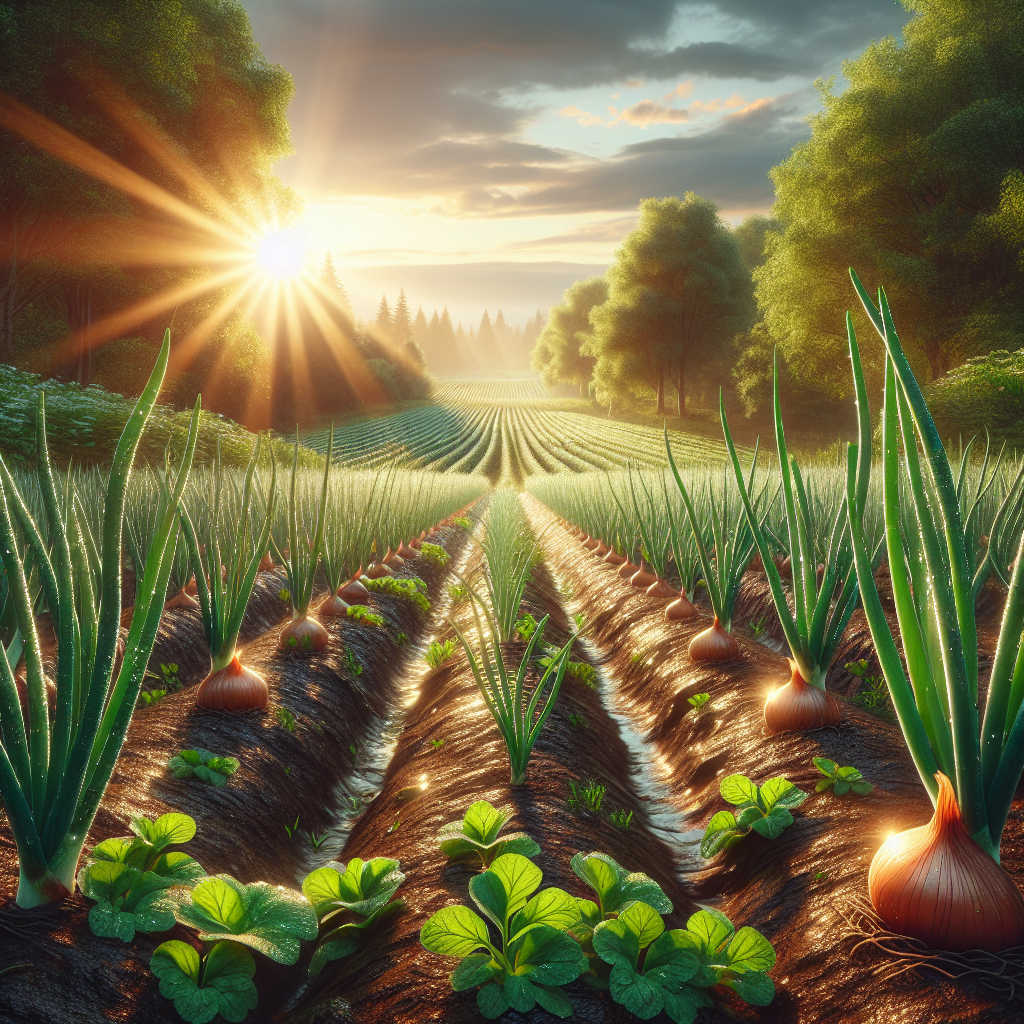
Onions are among the most versatile and widely used vegetables across the globe. With an array of culinary uses, they add depth and flavor to various dishes. For novices and seasoned gardeners alike, growing onions in North Carolina offers both a rewarding experience and a sustainable food source. This article will explore everything from the optimal growing conditions to pest management, helping you cultivate a thriving onion crop.
Why Grow Onions in North Carolina?
North Carolina’s diverse climate—from the coastal plains to the mountainous areas—provides various opportunities for growers. Onions thrive in the well-drained, loamy soils found in many regions of the state. Additionally, the state’s growing season allows for multiple varieties to be planted, making it an ideal location for onion cultivation.
Types of Onions and Their Varieties
When it comes to onions, it’s essential to choose the right variety that suits your climate and culinary needs. There are primarily three types of onions:
-
Bulb Onions: These are the most commonly grown onions and can be categorized into yellow, red, and white onions. They are suitable for long-term storage and have a strong flavor.
-
Green Onions (Scallions): These immature onions have a milder taste and can be eaten raw. They are often used as a garnish.
-
Sweet Onions: Sweet onions like Vidalia are particularly popular in the South. Their high sugar content makes them ideal for raw consumption.
Best Varieties for North Carolina
- Yellow Granex: Known for its sweet flavor, this onion is well-suited for southern climates.
- Red Creole: Renowned for its excellent storage capabilities and hot flavor, this onion is favored in kitchens.
- White Sweet Spanish: This variety has a mild, sweet flavor and grows well in North Carolina’s climate.
Key Questions About Growing Onions
1. When is the best time to plant onions in North Carolina?
The planting time for onions in North Carolina largely depends on the variety. Typically, you can plant:
- Long-Day Onions (like Yellow Granex) in early spring, from February to March.
- Short-Day Onions (like Vidalia and Red Creole) should be planted in late winter to early spring, around February.
It’s crucial to consult the local planting calendar or extension services for specific dates tailored to your region.
2. What soil conditions are optimal for growing onions?
Onions prefer well-drained loamy or sandy soil with a pH level between 6.0 and 7.0. Heavy clay can impede their growth, leading to poor drainage and bulb development.
Some practices for optimizing your soil include:
- Soil Testing: Before planting, conduct a soil test to determine nutrient levels and pH balance.
- Amendments: Based on your soil test results, consider adding organic matter like compost or aged manure to improve soil structure.
3. Do I need to start onions from seeds, sets, or transplants?
You can grow onions from:
- Seeds: Starting from seeds gives you a larger variety choice but requires more time (approximately 100-120 days to maturity).
- Sets: Onion sets are small, immature bulbs that can be planted directly in the ground, offering a quicker yield.
- Transplants: This method involves starting seeds indoors before transferring them outside, giving you a head start in the growing season.
Each method has its advantages and is suited to different gardening styles.
Preparing for Planting
1. Choose the Right Location
Finding a sunny location is crucial, as onions thrive in full sun. Aim for at least 6-8 hours of sunlight each day.
2. Soil Preparation
- Tilling: Till your soil to a depth of at least 8-10 inches to aerate it and reduce compaction.
- Incorporating Nutrients: Mix in organic fertilizers or well-rotted compost before planting. A balanced fertilizer with equal parts nitrogen, phosphorus, and potassium is ideal.
Planting Onions
1. Spacing and Depth
- Seedlings/Sets: Plant onion sets about 1 inch deep and 4-6 inches apart to allow ample room for bulb development.
- Transplants: Start your onions about 2-4 inches apart.
2. Watering Immediately After Planting
After planting, water your onions thoroughly to settle the soil around the bulbs.
Caring for Your Onion Crop
Caring for your onions is vital for achieving healthy growth and maximizing yield.
1. Watering Needs
Onions require consistent moisture, especially during bulb formation.
- Frequency: Aim for about 1 inch of water per week, adjusting according to rainfall.
- Mulching: Apply a layer of organic mulch to retain moisture and suppress weeds.
2. Fertilizing
Onions are heavy feeders. Use a balanced fertilizer every 4-6 weeks after planting.
- Nitrogen: More nitrogen during the growth phase will help leafy growth.
- Potassium and Phosphorus: As they near maturity, switch to fertilizers higher in potassium and phosphorus for bulb development.
Pest and Disease Management
Pests and diseases can significantly impact onion yield and quality.
Common Pests
- Onion Maggots: These larvae can damage the bulbs, leading to rot. Use row covers to protect emerging seedlings.
- Thrips: Tiny insects that suck the sap from leaves, leading to stress. Use insecticidal soap or neem oil for management.
Common Diseases
- Downy Mildew: A fungal disease causing yellow and wilting leaves. Improve air circulation and avoid overhead watering to reduce outbreaks.
- Fusarium Basal Rot: This fungal disease can lead to bulb rot. Crop rotation is essential for preventing infected soil.
Harvesting Onions
1. When to Harvest
Typically, onions are ready to harvest when the tops begin to yellow and fall over. This usually occurs 90-120 days after planting, depending on the variety.
2. How to Harvest
- Gentle Lifting: Use a fork or shovel to gently lift the bulbs from the soil. Avoid pulling them directly by the stalks to prevent damage.
- Curing: After harvesting, allow onions to dry in a shaded area with good air circulation for a couple of weeks. This ensures they store better and have a longer shelf life.
Storing Your Onions
Proper storage can significantly extend the life of your harvested onions.
1. Ideal Storage Conditions
- Temperature: Store onions in a cool, dry, and dark environment. Ideal temperatures range from 30-50°F.
- Humidity: Low humidity is essential to prevent mold and sprouting.
2. Storage Methods
- Mesh Bags: Allow for airflow while keeping the bulbs together.
- Pantyhose: Another popular method is placing them in old pantyhose to create individual compartments.
Frequently Asked Questions
1. What Are the Benefits of Growing Onions?
Growing onions can yield numerous benefits, including:
- Nutritional Value: Onions are low in calories but rich in vitamins and minerals, particularly vitamin C, B vitamins, and antioxidants.
- Pest Resistance: Companion planting with onions can help repel pests from nearby crops.
- Culinary Versatility: They can be used in various dishes, making them a staple in any kitchen.
2. Can I Grow Onions in Containers?
Yes, onions can be successfully grown in containers as long as the pots are at least 12 inches deep and have good drainage. Make sure you choose the right varieties, such as green onions or smaller bulb onions, which adapt well to container gardening.
3. What Are the Signs of Nutrient Deficiencies?
Look for the following signs:
- Yellowing Leaves: May indicate nitrogen deficiency.
- Stunted Growth: Could signal a lack of phosphorus or potassium.
- Poor Bulb Formation: Insufficient nutrients can lead to tiny or malformed bulbs.
Conclusion
Growing onions in North Carolina presents a rewarding gardening opportunity, blending culinary delight with sustainability. From selecting appropriate varieties to understanding the harvesting techniques, this vibrant vegetable can be successfully cultivated in various regions across the state.
As you embark on your onion-growing journey, remember to monitor your plants for pests, diseases, and nutrient needs, and embrace the joy of gardening. Not only will you enjoy the fruits of your labor, but you’ll also benefit from improved soil health and biodiversity in your garden. Happy gardening!