
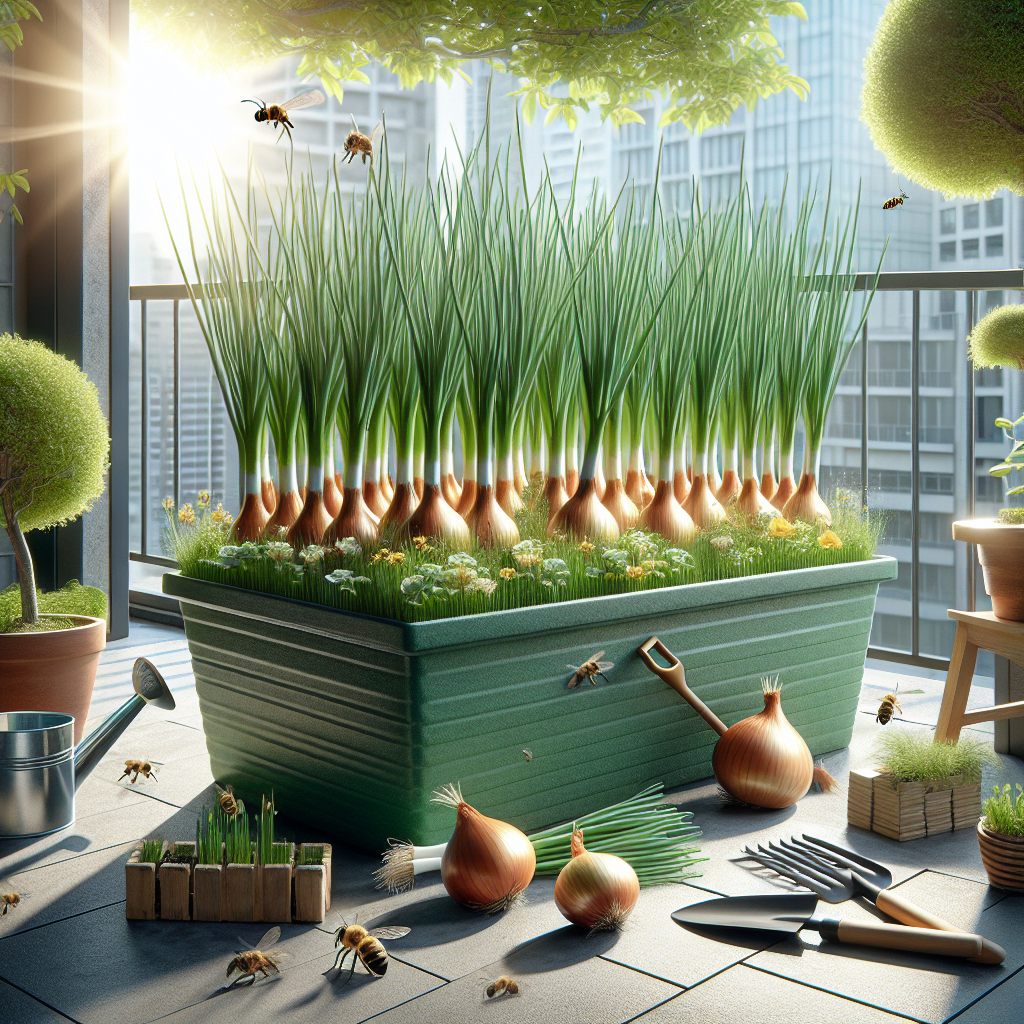
Onion container gardening is not only an effective way to grow this versatile and essential vegetable but also a rewarding hobby that can elevate your gardening experience. Whether you’re an urban dweller, a novice gardener, or simply looking for an efficient gardening method, container gardening offers numerous advantages. In this extensive article, we’ll explore everything you need to know about growing onions in containers—from choosing the right onion variety to harvesting and storing your crops. So, let’s dig into the world of onions!
Why Grow Onions in Containers?
Space Efficiency
One of the primary benefits of container gardening is the use of limited space. If you’re living in an apartment with only a balcony or a small yard, container gardening allows you to cultivate vegetables without needing a traditional garden plot.
Soil Control
Growing onions in containers gives you control over the soil conditions, ensuring that your onions have the ideal growing environment. Many container gardeners prefer a specific soil mix that can help minimize pests and diseases.
Mobility
Containers can be moved around easily to optimize sunlight and to protect your plants from extreme weather conditions. This is particularly useful for growing onions, which benefit from full sun but can suffer from excessive rain.
Extended Growing Season
In colder climates, starting onions in containers allows for an earlier planting date, as you can keep them indoors until the weather warms.
Types of Onions Suitable for Container Gardening
Short-Day Onions
These onions require 10-12 hours of daylight to bulb up and are ideal for southern regions. Varieties include ‘Texas Super Sweet’ and ‘Yellow Granex.’
Long-Day Onions
These thrive in northern climates where summer days exceed 14-16 hours. Popular varieties include ‘Walla Walla’ and ‘Yellow Danvers.’
Day-Neutral Onions
These can be grown in mid-latitude regions that experience varying day lengths. The ‘Red Creole’ and ‘Ailsa Craig’ are examples.
What You Need to Start
Containers
The type of container you choose will affect your success in growing onions. Ideal containers include:
- Material: Clay pots, plastic buckets, or even fabric grow bags.
- Size: Each onion needs about 2-4 inches of space. A container that is at least 8-12 inches deep and wide is preferred.
Soil
Use a well-draining soil mix. Many gardeners opt for a mix that includes:
- Potting soil
- Perlite or vermiculite for drainage
- Compost for nutrients
Onion Sets or Seeds
You can either plant onion seeds or onion sets (small bulbs). Sets are usually easier for beginners as they have a higher germination rate and grow more predictably.
Fertilizers
A balanced fertilizer that includes nitrogen, phosphorous, and potassium (N-P-K ratio) will aid in the growth of healthy, robust onions. Organic options include fish emulsion or compost tea.
Watering Can or Hose
Consistent watering is crucial for onions. Depending on your climate, you might need to water your onions daily or every couple of days.
Essential Steps for Onion Container Gardening
Step 1: Selecting the Right Time to Plant
For spring planting in most areas:
- Aim for planting in early spring once the threat of frost has passed.
- If you’re in a warmer climate, onions can be planted in late winter or even early fall.
Step 2: Prepare Your Containers
- Drainage: Ensure your container has drainage holes at the bottom.
- Clean: If reusing containers, clean them with a bleach solution to eliminate diseases.
- Soil Mix: Fill the container with a well-draining soil mix leaving about an inch at the top.
Step 3: Planting Onions
- Spacing: Plant onion sets or seeds approximately 2-4 inches apart, allowing enough space for bulb development.
- Depth: Plant onion sets so that their tops are just peeking through the soil. If using seeds, sow them at a depth of about ½ inch.
Step 4: Watering and Fertilizing
- Watering: Keep the soil consistently moist but not waterlogged. Onions require regular watering, particularly during dry spells.
- Fertilizing: Apply fertilizer at the moment of planting and again when the plants are about 6 inches tall. Follow package instructions for exact measurements.
Step 5: Sunlight and Temperature Requirements
Onions prefer full sun, meaning at least 6-8 hours of sunlight daily. If you’re growing in a location that gets partial shade, consider moving containers for optimal sunlight exposure. Onions are also adaptable to a range of temperatures, but they perform best between 60-75°F.
Step 6: Pest and Disease Management
Keep an eye out for common pests, such as:
- Onion flies: Use row covers to deter these pests.
- Aphids: Introduce natural predators like ladybugs or spray with neem oil.
For diseases like downy mildew:
- Ensure proper airflow between your plants, and avoid overhead watering to reduce humidity.
Caring for Your Onion Plants
Ongoing care is pivotal for successful onion gardening. Here are some best practices:
Watering Techniques
Establish a regular watering schedule but avoid overwatering since onions are susceptible to rot. Using a drip irrigation system can help regulate water supply.
Weeding
Weeds can compete with your onions for nutrients and water. Regularly check your containers and remove any weeds by hand.
Harvesting Onions
Onions are ready for harvest when the tops begin to flop over and dry out. This usually occurs late summer to early fall. Here’s how to effectively harvest:
- Gradually stop watering about two weeks before harvest to allow the skins to dry out.
- Gently lift the onions from the soil using a gardening fork.
- Allow them to cure in a shaded area for a week to dry out completely.
Storing Onions
Proper storage is crucial for extending the life of your onions:
- Braid the Tops: If you have good-sized bulbs, braid the tops and hang them in a cool, dry, and dark place.
- Use Mesh Bags: Store smaller onions in breathable mesh bags to avoid moisture buildup.
Frequently Asked Questions
Do Onions Need a Lot of Space to Grow?
No, they don’t. Onions can thrive well in containers with limited space. Just ensure they have enough room to grow their bulbs.
Can I Grow Onions Indoors?
Yes, you can grow onions indoors, especially green onions and bunching varieties. Ensure they have enough light (consider using grow lights if natural light is insufficient).
What’s the Best Time to Plant Onions?
In general, onions can be planted in early spring. However, specific planting times can vary depending on whether you’re growing short-day, long-day, or day-neutral varieties.
Do Onions Require Fertilizer?
Yes. Onions benefit from regular feeding with a balanced fertilizer, especially during their growing phase.
How Long Does it Take for Onions to Grow?
Depending on the variety, it typically takes anywhere from 90 to 120 days from planting to harvest.
Can I Use Store-Bought Onions for Planting?
You can use store-bought onions, but be cautious of hybrid varieties as they may not produce viable bulbs. It’s generally better to choose well-suited onion sets.
How Much Water Do Onions Need?
Onions prefer consistent moisture. Regularly check the soil and water when the top inch is dry. Avoid letting the soil become waterlogged.
Final Thoughts
Onion container gardening offers an accessible and delightful way to enjoy homegrown produce, all while maximizing your limited space. As you embark on this gardening journey, remember that patience and care are vital components. By selecting the right variety, maintaining optimal growing conditions, and following best practices, you’ll find yourself reaping a bountiful harvest by the end of the season.
So gather your materials, choose the right onion variety, and start planting! There’s nothing quite as satisfying as pulling fresh onions from your own garden and enjoying them in your favorite recipes. Happy gardening!