
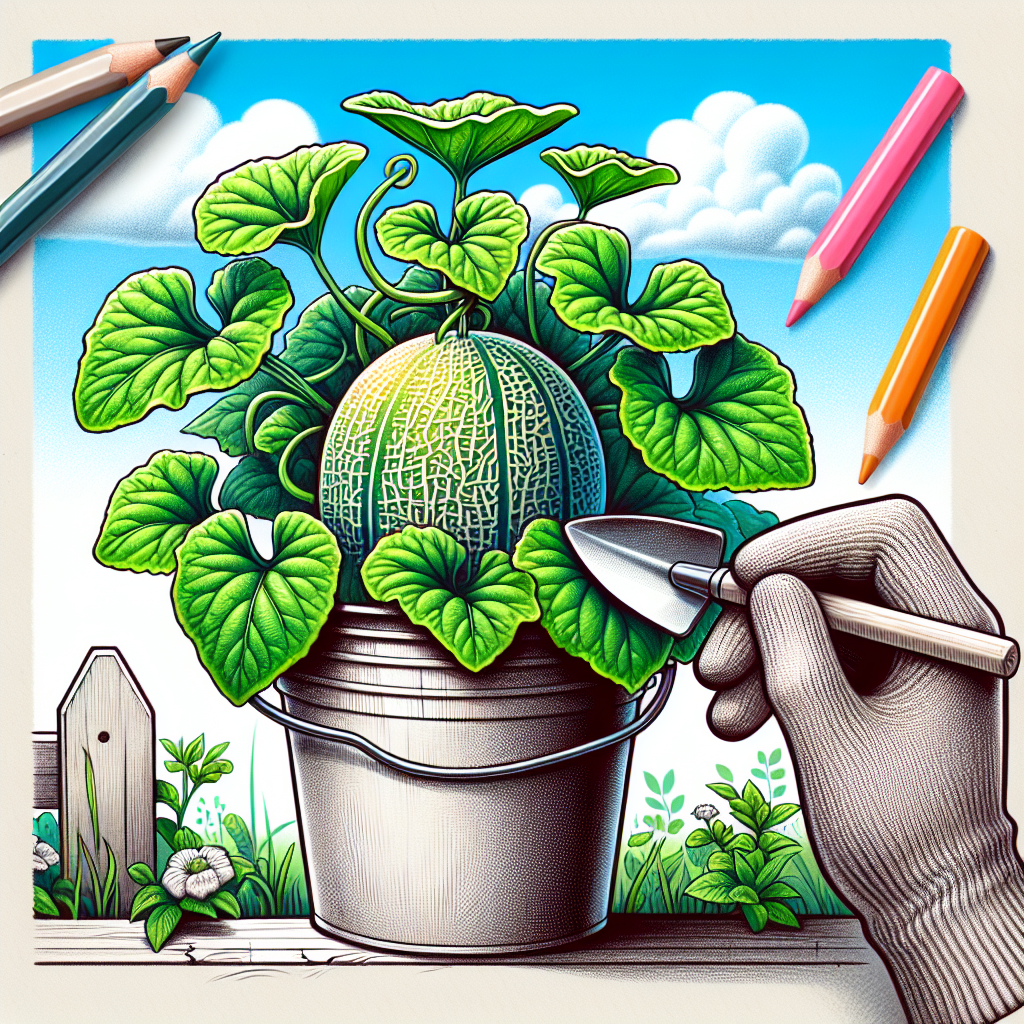
Cantaloupe (Cucumis melo) is a delicious, sweet fruit that can be a wonderful addition to your garden or patio setup. If you’re living in an urban area or simply don’t have the space for a traditional garden, growing cantaloupe in a 5-gallon bucket may be the perfect solution. In this in-depth article, we delve into the process, benefits, challenges, and provide you with a wealth of information to ensure your cantaloupe-growing endeavor is successful.
Table of Contents
- Introduction to Cantaloupe
- Nutritional Benefits
- Popular Varieties
- Why Grow Cantaloupe in Buckets?
- Space Efficiency
- Portability
- Controlling Soil and Nutrients
- Selecting the Right Container
- Why a 5-Gallon Bucket?
- Drainage Considerations
- Choosing the Right Variety for Buckets
- Recommended Varieties
- Differences in Growth Requirements
- Soil Preparation
- Soil Type
- Essential Nutrients
- pH Level Importance
- Planting Cantaloupe Seeds in Buckets
- Planting Process
- Spacing Considerations
- Caring for Your Cantaloupe Plants
- Watering Needs
- Fertilization
- Managing Pests and Diseases
- Support Structures for Growth
- Trellising Techniques
- Harvesting Cantaloupe
- Signs of Ripeness
- Best Practices for Harvesting
- Conclusion
- Summary of Key Points
- Encouragement for Your Gardening Journey
1. Introduction to Cantaloupe
Nutritional Benefits
Cantaloupe is more than just a refreshing summer fruit; it’s packed with nutrition. Per 100 grams, cantaloupe contains:
- Calories: 34
- Vitamin C: 60% of the Daily Value (DV)
- Vitamin A: 49% of the DV
- Folate: 4% of the DV
This creamy orange melon is an excellent source of antioxidants, hydration, and essential vitamins, making it a wise choice for a healthy diet.
Popular Varieties
When it comes to cantaloupe, there are several varieties to choose from:
- Hales Best Jumbo: Known for its sweet and fragrant flesh.
- Sugarcube: A smaller variety that packs a sweet punch.
- Improved Galia: A hybrid type known for its rich flavor and loose skin.
Choosing the right variety can enhance your growing experience.
2. Why Grow Cantaloupe in Buckets?
Space Efficiency
Urban gardening often means limited space. Buckets can be placed on balconies, patios, or even on rooftops, making it possible for anyone to grow their food.
Portability
If you have limited sunlight in one area, you can easily move your bucket to ensure your cantaloupe gets the light it needs.
Controlling Soil and Nutrients
Growing in a bucket allows you to customize your soil mix, ensuring optimal growing conditions. This setup can also help minimize weed competition.
3. Selecting the Right Container
Why a 5-Gallon Bucket?
A 5-gallon bucket provides ample space for root growth and holds enough soil for nutrients and moisture retention. It’s an accessible option that fits most home gardeners’ needs.
Drainage Considerations
It’s imperative that your bucket has drainage holes to prevent overwatering, which can lead to root rot. If your bucket doesn’t have holes, you can create them easily using a drill or a hot nail.
4. Choosing the Right Variety for Buckets
Recommended Varieties
Some ideal varieties for bucket gardening include:
- Jenny: A compact plant with excellent yields.
- Sweet Delight: A smaller-fruited variety that’s perfect for small spaces.
Selecting a suitable variety is crucial for success, especially in a confined environment like a bucket.
Differences in Growth Requirements
While some varieties may thrive better than others in pots, understanding the growth habits of each variety can help you manage space and resources efficiently.
5. Soil Preparation
Soil Type
Quality soil is the cornerstone of successful gardening. For cantaloupe, you want a light, well-draining potting mix. A combination of peat moss, compost, and vermiculite works exceptionally well.
Essential Nutrients
Cantaloupe plants are heavy feeders, requiring nitrogen for foliage growth, phosphorus for root development, and potassium for fruit quality. A balanced fertilizer can support all these needs.
pH Level Importance
The ideal pH for cantaloupe is between 6.0 to 6.8. You can test your soil using a simple pH testing kit available at most garden centers.
6. Planting Cantaloupe Seeds in Buckets
Planting Process
- Fill your bucket: Leave about 2 inches of space at the top.
- Make a hole: Plant 2-3 seeds about an inch deep, then cover and pat down.
- Water thoroughly: Make sure the soil is moist but not saturated.
Spacing Considerations
If using multiple buckets, give each plant enough room to spread out. Ideally, you should plant one plant per bucket for optimal growth.
7. Caring for Your Cantaloupe Plants
Watering Needs
Cantaloupe needs consistent moisture, especially during flowering and fruiting. Use a soaker hose or drip irrigation for optimal results.
Fertilization
Fertilize your cantaloupe plants every 4-6 weeks with a balanced fertilizer. As the fruit develops, consider switching to a low-nitrogen, high-potassium fertilizer to enhance fruit sweetness.
Managing Pests and Diseases
Pests like aphids, spider mites, and cucumber beetles can pose a threat to your plants. Monitor closely and utilize organic insecticidal soap as needed. Additionally, diseases like powdery mildew can be prevented through adequate air circulation and proper watering practices.
8. Support Structures for Growth
Trellising Techniques
Cantaloupe plants can spread quite a bit, so consider using a trellis. This practice saves space and can also improve air circulation, reducing disease risk. Use sturdy fencing or posts to create a supportive structure for your plants.
9. Harvesting Cantaloupe
Signs of Ripeness
Knowing when to harvest can make a difference in flavor and sweetness. Look for the following signs:
- The color changes to a golden hue on the bottom.
- The stem starts to dry out and crack.
- The fruit gives a slight aroma.
Best Practices for Harvesting
Use a sharp knife to cut the fruit from the vine, taking care not to damage the plant. Handle gently as cantaloupes can bruise easily.
10. Conclusion
Growing cantaloupe in a 5-gallon bucket can be a rewarding and enjoyable experience. With the right preparation, care, and dedication, you’ll be able to yield sweet, succulent melons from the comfort of your own space.
Take this journey as an opportunity to learn and grow as a gardener. Not only will you enjoy the delicious results, but you’ll also reap the rewards of getting closer to nature and appreciating the harvest that comes from your own efforts.
FAQs
1. Can I grow cantaloupe indoors?
Yes, as long as your indoor environment has ample light and controlled temperatures, you can grow cantaloupe successfully indoors.
2. How much sunlight do cantaloupe plants require?
Cantaloupe thrives in full sun, requiring at least 6 to 8 hours of direct sunlight daily.
3. Can I use regular garden soil in my buckets?
While you can use garden soil, it’s better to use a well-draining potting mix to prevent compaction and promote healthy root growth.
By considering these factors and following best practices, you can enjoy the delightful process of growing and harvesting cantaloupe right from your own 5-gallon buckets! Happy gardening!