
Introduction
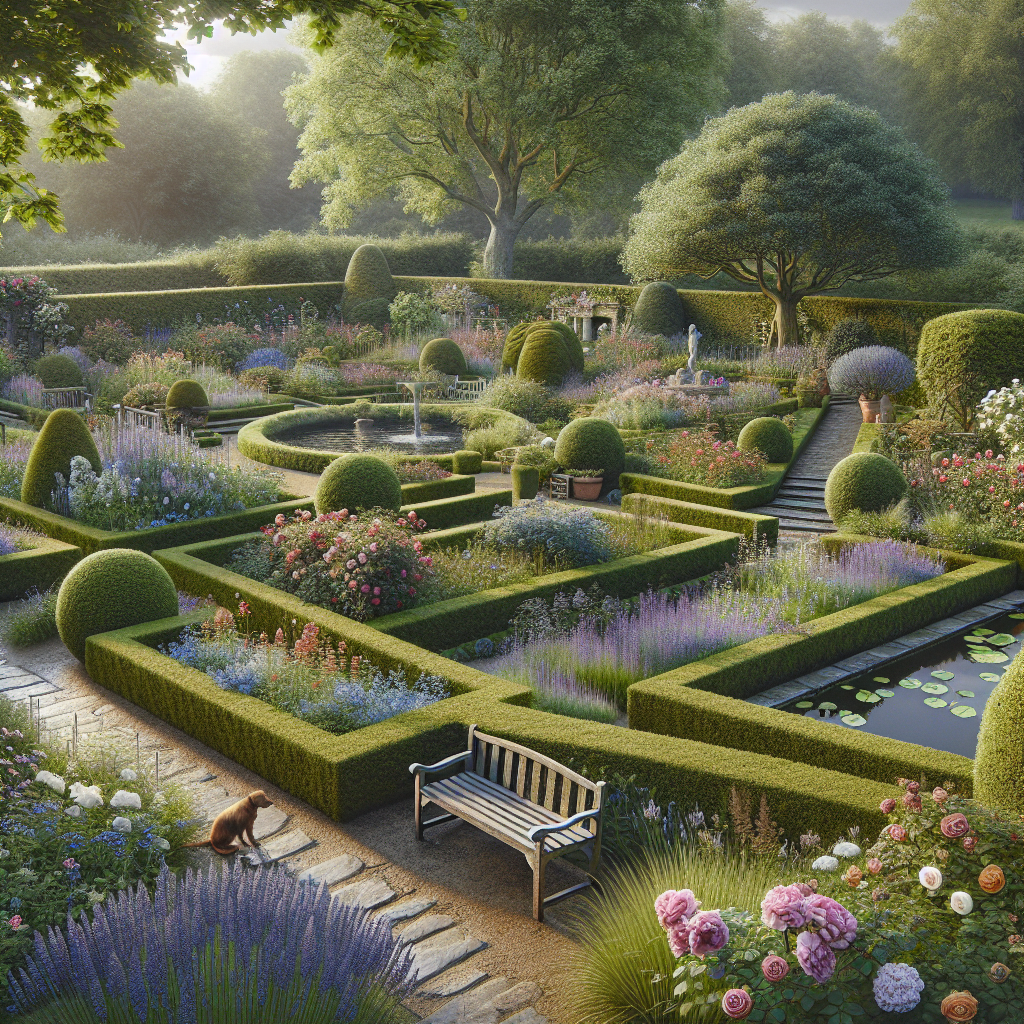
English gardens are renowned for their charm, romance, and ability to evoke a sense of peace and tranquility. For centuries, they have inspired both amateur and professional gardeners around the globe. Characterized by a quintessentially British ethos of natural beauty paired with meticulous design, these gardens embody a balance of lush vegetation, intricate flower beds, meandering paths, and thoughtfully selected hardscapes.
In this comprehensive guide, we will explore the principles of English garden design, its historical context, key elements, and various styles while addressing common questions that enthusiasts might have. Whether you’re an aspiring gardener or simply someone intrigued by the art of landscaping, this article will provide you with a wealth of information about English style garden design.
Historical Context of English Garden Design
How Did the English Garden Evolve Over Time?
The evolution of English gardens can be traced back to medieval monasteries, where gardens served both practical and spiritual purposes. However, it was during the Renaissance period that the concept of gardening began to shift, focusing more on aesthetics. Aristocrats began to favor elaborate gardens that were both picturesque and functional.
Key Periods in the Evolution of English Garden Design:
-
Medieval Era (5th – 15th Century): Gardens were utilitarian in nature, often featuring herb plots, vegetables, and flowers for medicinal purposes.
-
Tudor Period (1485 – 1603): These gardens began to contain more decorative elements, mixing herbs and flowers, often enclosed within hedges or walls.
-
Jacobean and Carolean Gardens (1603 – 1660): Characterized by formal layouts, including intricate knot gardens and parterres, using geometric shapes for flowerbeds.
-
The Landscape Movement (18th Century): Pioneered by designers like Capability Brown and William Kent, this era emphasized a more naturalistic approach—with sweeping lawns, lakes, and meandering paths.
-
Victorian Era (1837 – 1901): Marked by an explosion of plant varieties, the Victorian garden incorporated various exotic plants, leading to the quaint yet organized cottage garden aesthetic.
-
20th Century and Beyond: Post-war gardens began to reflect modernist principles, incorporating the ideals of sustainability and biodiversity while still honoring traditional English aesthetics.
Key Principles of English Garden Design
What are the Core Principles that Define an English Garden?
-
Naturalism: English gardens thrive on the idea of blending seamlessly with the natural landscape. This means using plants native to the environment and shaping the space to emphasize its natural contours.
-
Diversity of Plantings: A hallmark of English gardens is the variety of flora. This creates visual interest through different colors, forms, and textures throughout the seasons.
-
Structured Yet Casual: English gardens often feature formal elements like hedges and paths, juxtaposed with a casual layout of plantings, giving it a “carefully untamed” look.
-
Seasonal Change: Designers consider how gardens will change seasonally, choosing plants that provide year-round interest, including fragrant blooms, colorful foliage, and winter structure.
-
Artistic Features: The integration of sculptures, water features, seating areas, and pathways adds personality and enhances the garden’s functionality.
How Do You Choose the Right Location for an English Garden?
Choosing the right location is crucial for creating a successful English garden:
-
Sunlight: Ideally, select a spot that receives at least 6 hours of sunlight a day, although certain plants can thrive in partial shade.
-
Soil Quality: Conduct a soil test to determine pH and nutrient levels, and amend the soil as necessary for optimal plant growth.
-
Accessibility: Make sure your garden is easy to access for maintenance and enjoyment.
-
Microclimates: Be aware of areas that may be warmer or cooler than others, such as near walls or trees. This can affect plant selection.
Key Elements of English Garden Design
What Are the Essential Components of an English Garden?
-
Lawns: A lush lawn serves as the foundation for the garden. Types of grass should be chosen based on climate and intended use.
-
Paths and Walkways: Meandering pathways made of gravel, stone, or brick allow visitors to explore the garden while adding visual interest.
-
Borders and Hedges: Defined edges not only add structure but also serve to guide the eye and lead visitors through the garden.
-
Flower Beds: Flower beds typically feature a mix of annuals, perennials, and biennials, arranged in a way that promotes harmony, color, and texture.
-
Trees and Shrubs: Strategic placement of trees and shrubs provides shade, privacy, and seasonal interest through flowers and foliage.
-
Focal Points: Architectural elements like trellises, garden statues, or water features can create focal points that draw the eye and serve as delightful surprises.
How Do You Create a Focal Point in Your English Garden?
Creating a focal point can be done in several ways:
-
Sculptures: An artistic sculpture or garden gnome can bring personality to a space.
-
Water Features: Ponds, fountains, or birdbaths attract wildlife and contribute to the sensory experience of the garden.
-
Unique Plants: Consider incorporating a unique, stand-out plant, such as a rare tree or colorful flower, to create visual interest.
-
Architectural Structures: Arbors, pergolas, or outdoor seating areas define spaces and invite relaxation.
Plant Selection for English Gardens
What Plants Are Typically Found in English Gardens?
-
Perennials: Plants such as daylilies, peonies, and delphiniums provide lasting beauty year after year.
-
Annuals: Consider bright, bold colors through annuals like marigolds and zinnias that can be changed seasonally.
-
Climbers: Vines like clematis and wisteria enhance vertical space and add layers to the garden.
-
Herbs: A mix of culinary herbs like rosemary, thyme, and basil serves both aesthetic and functional purposes.
-
Shrubs: Consider flowering shrubs like hydrangeas or lilacs, which provide structure and seasonal interest.
-
Trees: For classic English gardens, consider ornamental trees like flowering cherry or crabapple.
How Do You Plan for Seasonal Changes in Your English Garden?
To ensure year-round beauty, consider the following:
-
Spring: Incorporate early bloomers like crocuses and daffodils to welcome the season.
-
Summer: Choose plants that thrive in warm weather, such as sunflowers and roses.
-
Fall: Include late-blooming flowers and plants with striking foliage like Japanese maple for autumn colors.
-
Winter: Incorporate evergreen shrubs and trees to maintain structure and bring a pop of color during the colder months.
Common Mistakes in English Garden Design and How to Avoid Them
What Are Some Mistakes Gardeners Make?
-
Poor Planning: Jumping into planting without a coherent plan can result in overcrowded, unattractive spaces. Take time to draft a layout and consider plant heights and blooming times.
-
Ignoring Sunlight and Soil Needs: Failing to assess sunlight and soil conditions can hinder plant health. Always research and match plants to their preferred growing conditions.
-
Overdoing It: An English garden thrives on a balance of beauty and functionality. Avoid over-stuffing your garden with plants; embrace space for air and movement.
-
Neglecting Maintenance: English gardens require consistent upkeep—make time for weeding, pruning, and seasonal changes to keep the garden looking its best.
-
Compromising on Quality: Investing in quality plants, tools, and materials may cost more upfront but will save time and frustration in the long run.
Designing Your Own English Garden
How Do You Start Designing Your Own English Garden?
-
Choose a Theme: Select a particular style—be it formal, cottage, or wildlife-oriented—to guide your choices.
-
Make a Design Plan: Sketch a rough layout, including garden beds, paths, and focal points. Planning will help visualize your garden.
-
Select Plants: Choose a diverse selection of plants that thrive in your climate while matching your garden’s aesthetic.
-
Incorporate Hardscaping: Add pathways, seating, and other structures to improve functionality and beauty.
-
Planting and Maintenance: Follow best practices for planting and commit to regular maintenance to cultivate your garden’s growth.
Can You Incorporate Modern Elements into an English Garden?
Absolutely! The beauty of garden design lies in its adaptability. Modern materials, such as steel, glass, and concrete, can be used to create pathways, seating areas, and sculptures that blend seamlessly with traditional English garden aesthetics.
-
Contemporary Materials: Use sleek stone or metal for pathways and garden furniture to provide a modern contrast to lush greenery.
-
Water Features: Modern fountains with clean lines can serve as focal points while harmonizing with the organic shapes of plants.
-
Minimalist Design: Incorporate more open spaces featuring fewer plants or individual specimens to create a less cluttered look.
-
Sustainable Practices: Adopt eco-friendly gardening techniques, such as rain gardens or wildlife habitats, to marry modern values with classic beauty.
Conclusion
English garden design encapsulates a celebration of nature, beauty, and serenity—elements that resonate deeply within the human spirit. By thoughtfully incorporating lush plant life, in-depth planning, and artistic features, you can create an enchanting English garden that reflects both personal aesthetic and modern values.
While implementing these design principles might seem daunting, remember that gardening is a journey of learning and growth, both literally and metaphorically. Whether you aim to create a manicured lawn or an informal cottage-style oasis, the principles of English garden design will guide you toward achieving a harmonious, breathtaking outdoor sanctuary.
As you embark on this journey, keep nurturing your curiosity about plants, history, and design principles. Before long, you will find yourself not just cultivating a garden but a personal paradise, rich with beauty and overflowing with joy. Happy gardening!