
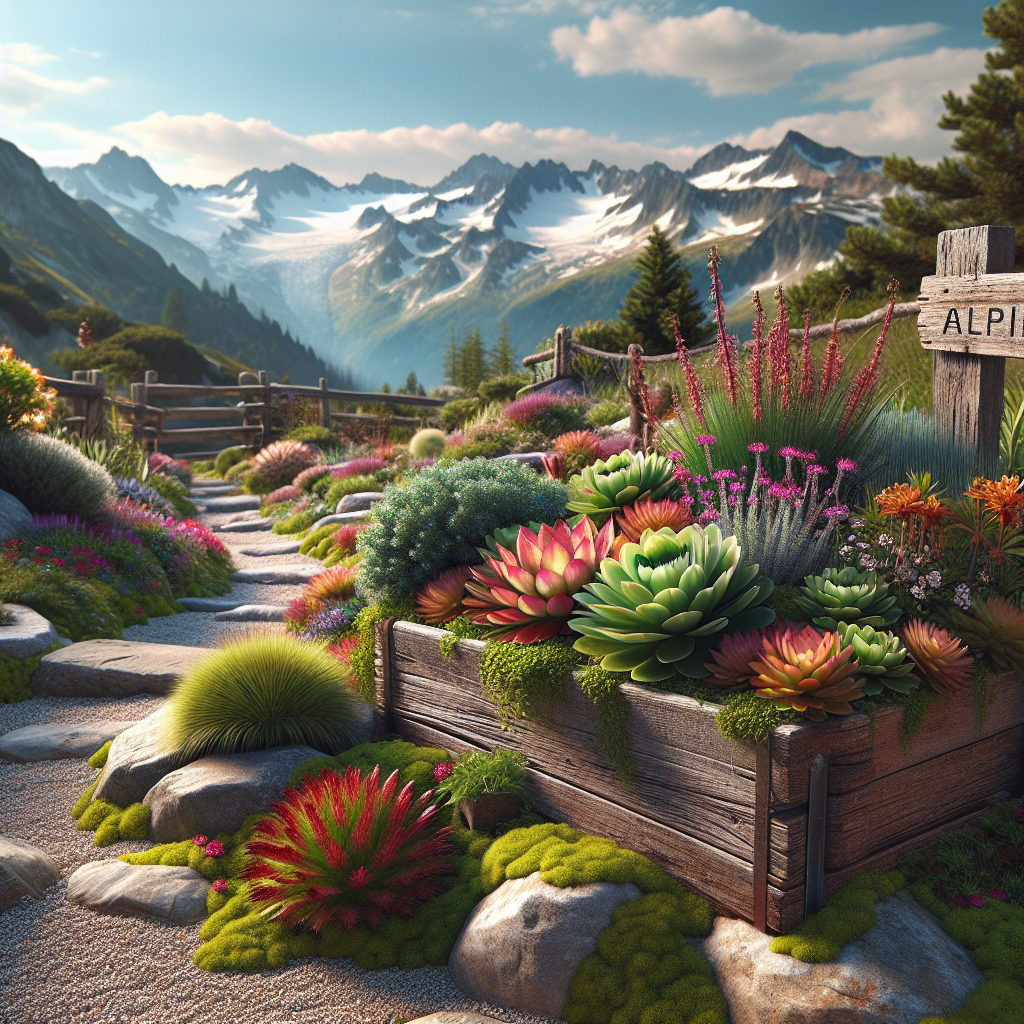
Creating an alpine garden is akin to creating a small piece of mountainous terrain right in your backyard. These gardens are often not only vibrant and full of life but also dynamic and charming. Alpine gardens can be a delightful addition to any outdoor space, bringing a slice of nature’s rugged beauty to any setting. In this article, we will delve into the intricacies of establishing an alpine garden, answering the burning questions many novice and experienced gardeners have along the way.
What Is an Alpine Garden?
An alpine garden is a collection of plants that are typically found in high-altitude environments. These gardens are designed to mimic the natural conditions of alpine regions, often characterized by rocky soil, dramatic elevation changes, and a diverse array of plant life that thrives in harsh conditions. By using appropriate plants and techniques, you can cultivate a micro-ecosystem that evokes the essence of the mountains, even if you live far from them.
Why Choose an Alpine Garden?
1. Biodiversity and Visual Appeal
Alpine gardens are home to a plethora of unique plant species. From hardy succulents to vibrant wildflowers, these gardens showcase varying textures and colors, drawing in gardeners and wildlife alike. They often attract pollinators, such as bees and butterflies, contributing to biodiversity.
2. Resilience and Low Maintenance
One of the biggest advantages of an alpine garden is its resilience. The plants used are typically drought-resistant and can survive in less-than-ideal soil conditions. Once established, alpine gardens usually require less maintenance compared to traditional gardens, making them an excellent choice for those with busy lifestyles.
3. Environmental Sustainability
By planting native alpine plants, gardeners can promote ecological balance in their area. These plants require fewer resources, such as water and fertilizers, thus supporting a healthier environment.
Planning Your Alpine Garden
What to Consider Before You Start?
1. Climate and Geography
Before diving into your alpine garden, take a close look at your climate. While alpine plants tend to be hardy, they still have varying tolerances for temperature, rainfall, and sunlight. Research which alpine plants are native to your region and can easily adapt to your local conditions.
2. Space and Layout
Consider the space you have available. Ideal spots are often sloping or rocky areas that mimic the natural habitats of alpine plants. If your yard is flat, consider creating raised beds or mounds. This not only helps with drainage but also creates visual interest.
3. Soil Quality
Alpine plants thrive in well-drained, sandy, or rocky soil. The soil should not hold water for long periods, as most alpine plants prefer drier conditions. Incorporate materials like gravel or perlite to enhance drainage.
How to Design an Alpine Garden?
1. Create a Rock Garden
Utilizing stones can create a natural look and provide excellent drainage. Start with larger boulders as focal points and work your way down to smaller rocks. Fill gaps with soil and plant your alpine species in clusters.
2. Incorporate Water Features
If feasible, small water features can enhance the tranquility of an alpine garden. Even a small pond or a bubbling brook can add to the visual appeal while supporting wildlife like frogs and birds.
3. Zoning
Create different zones within your garden for various types of plants. Group plants with similar care needs together. This helps streamline your watering and maintenance routine.
4. Layering
Incorporate vertical elements. Use taller plants in the back and shorter ones in the front to create depth and interest.
Choosing the Right Plants
What Plants Are Best for an Alpine Garden?
When selecting plants for your alpine garden, consider variety, color, and texture. Here’s a list of popular plants that thrive in alpine settings:
1. Saxifrages
These hardy little plants can grow in rocky crevices and are known for their beautiful flowers, blooming in various colors. They can tolerate harsh conditions, making them perfect for an alpine garden.
2. Edelweiss (Leontopodium alpinum)
This iconic alpine flower is not only beautiful but spreads easily and adds a touch of nostalgia to your garden. It thrives in rocky areas and can tolerate snow cover.
3. Sempervivum (Hens and Chicks)
This succulent is drought-resistant and produces lovely rosettes. They come in different colors and can spread quickly, making them fantastic for ground cover.
4. Thyme
This culinary herb can tolerate poor soil and offers attractive flowers. Thyme can also be utilized in cooking, making it an excellent addition to an alpine garden.
5. Gentian
Known for their trumpet-shaped flowers, gentians add beautiful blue tones to your garden. They thrive in moist, well-drained soil and can be great companions for other alpine plants.
6. Dianthus
These perennial flowers are known for their sweet fragrance. They come in a variety of colors and are perfect for filling gaps in your alpine garden.
How Do You Ensure the Plants Thrive?
1. Proper Planting Techniques
- Plant in Spring or Fall: Timing is vital; spring or fall planting allows plants to establish roots before harsh weather conditions.
- Dig a Hole Twice the Size: This gives roots ample room to spread and grow.
- Provide Adequate Space: Ensure that you plant your flowers far enough apart to allow for their full growth.
2. Watering and Fertilizing
Although alpine plants are drought-resistant, initial watering is crucial. Ensure that you keep the soil lightly moist while the plants are establishing. Once established, you can significantly reduce watering frequency. Fertilize sparingly; most alpine plants thrive on lean soil.
Maintenance of Your Alpine Garden
How Do You Keep an Alpine Garden Healthy?
1. Weeding and Mulching
Regularly check for weeds, as they can compete for nutrients and water. Apply a thin layer of gravel mulch, which not only suppresses weeds but also enhances drainage.
2. Deadheading and Pruning
Remove spent flowers to encourage new growth and prevent plants from going to seed. Pruning helps to maintain shape and health, especially for certain perennial plants.
3. Winter Care
While many alpine plants can withstand frost, it’s essential to protect delicate species during winter. Mulch around the base can help provide insulation. In regions with heavy snowfall, allow snow to naturally cover the plants, acting as insulation.
Should You Bring Alpine Plants Indoors in Winter?
Most alpine plants are hardy and can withstand freezing temperatures. However, if you live in an area with extreme winter conditions, consider moving more delicate species to a protected area or greenhouse until spring.
Common Challenges and Solutions
What Are Common Problems with Alpine Gardens?
1. Poor Drainage
Alpine plants require excellent drainage. If you notice water pooling in your garden, consider adding more rocks or creating elevated beds.
2. Soil Compaction
Heavy foot traffic can compact the soil, hindering plant growth. Designate pathways and consider using stepping stones or decorative rocks to reduce compaction.
3. Pests and Diseases
Though alpine plants are generally robust, they can be susceptible to pests like aphids or diseases like root rot. Regularly check for signs of infestation or decay and take appropriate action.
Enhancing the Aesthetic Appeal
How to Create Visual Interest in an Alpine Garden?
1. Pathways
Create winding pathways using stone or gravel. This not only guides visitor movement but also adds rustic charm.
2. Sculptural Elements
Incorporate sculptures, birdbaths, or benches made of natural materials to enhance visual appeal. These elements can serve as focal points in your garden.
3. Seasonal Interest
Choose a variety of plants that bloom at different times, ensuring you have color and beauty throughout the seasons.
Connecting with Nature
How Can Alpine Gardens Enhance Your Outdoor Experience?
Alpine gardens can serve as peaceful retreats, allowing you to connect more deeply with nature. The sights and sounds of the garden can offer rejuvenating moments of tranquility. Inviting neighbors and friends to share in this beauty fosters community and provides opportunities for gardening workshops or informal gatherings.
Conclusion
Creating an alpine garden is a rewarding endeavor that allows you to bring the majestic beauty of mountain landscapes into your everyday life. By understanding your climate, selecting the right plants, and adopting best practices for maintenance, you can establish a thriving garden that enhances the biodiversity and visual appeal of your outdoor space.
With each plant you lay in the soil, you’re not merely cultivating greenery but also crafting a miniature wonderland that invites tranquility, beauty, and a connection to the rugged wilderness. So grab your gardening gloves and start planting; the enchanting world of alpine gardens awaits you!
Further Reading and Resources
For those keen to delve deeper, consider visiting reputable gardening centers, joining local gardening clubs, or consulting gardening books dedicated to alpine plants and ecosystems. Whether you’re a novice or an experienced gardener, the journey of creating your alpine garden is sure to be filled with discovery and joy!