
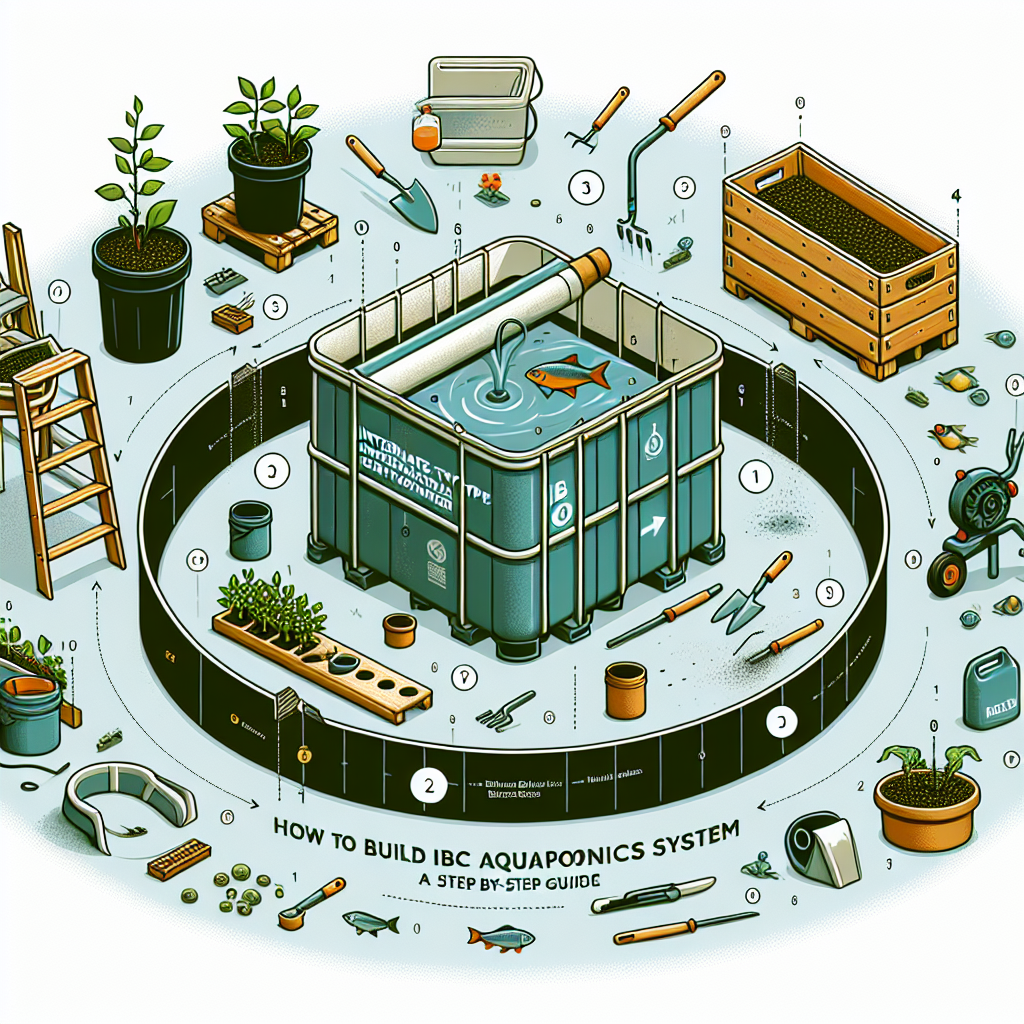
Introduction to Aquaponics
Aquaponics is an innovative method of sustainable agriculture that combines aquaculture (raising fish) and hydroponics (growing plants without soil). At the heart of this system lies a symbiotic relationship: fish waste provides essential nutrients for the plants, and in return, the plants purify the water for the fish. This closed-loop system creates a balanced ecosystem that can be extremely productive and efficient. Among various aquaponics setups, the IBC (Intermediate Bulk Container) aquaponics system stands out for its affordability, efficiency, and ease of use.
What is an IBC Aquaponics System?
Understanding IBC Containers
IBC containers are large, reusable plastic tanks, typically designed for storing and transporting liquids. They usually come in a rectangular shape and are made from high-density polyethylene (HDPE). The standard IBC container has a capacity ranging from 275 to 330 gallons, making it an excellent choice for aquaponics systems.
Components of an IBC Aquaponics System
An IBC aquaponics system generally consists of three primary components:
-
Fish Tank: The lower section of the IBC container serves as the fish tank, where aquatic life thrives.
-
Grow Bed: The top section is converted into a grow bed, where plants can grow in a soilless medium, usually gravel or expanded clay pellets.
-
Pump and Plumbing: The system employs a pump to circulate water between the fish tank and the grow bed, ensuring that fish waste is continuously filtered and utilized by the plants.
-
Aeration Devices: Aerators may also be included to maintain optimal oxygen levels in the water, benefiting both the fish and plants.
The Advantages of IBC Aquaponics Systems
Sustainability
-
Water Conservation: One of the most compelling benefits of aquaponics is its minimal water usage. An IBC aquaponics system can recycle water efficiently, using about 90% less water than traditional farming methods.
-
No Chemical Fertilizers: With nutrients being produced by fish waste, there is no need for synthetic fertilizers, making this an organic and eco-friendly alternative.
Productivity
-
Space Efficiency: IBC systems can be set up in small backyards or even urban areas, maximizing food production from limited space. This versatility allows individuals to grow their own food regardless of the available land.
-
Dual Harvest: In an IBC aquaponics system, you can harvest both fish and vegetables, making it an ideal method for those looking to incorporate protein into their diet while growing fresh produce.
Economic Benefits
- Cost-Effective Setup: IBC containers are relatively inexpensive and widely available. With a little creativity and DIY skills, anyone can set up a fully functional aquaponics system at a fraction of the cost of traditional farming.
Educational Value
- Learning Experience: Setting up and maintaining an IBC aquaponics system provides valuable hands-on learning. It is an excellent educational tool for schools, community gardens, and individuals interested in self-sustainability.
Getting Started: A Step-by-Step Guide
Step 1: Gathering Materials
To build your IBC aquaponics system, you will need:
- An IBC container (ensure it is food-grade)
- A submersible water pump
- Grow media (gravel, clay pellets, or rock wool)
- PVC pipe or flexible tubing for plumbing
- An air pump and stone (for aeration)
- Fish (commonly Tilapia or Goldfish)
- Seeds or seedlings
Step 2: Preparing the IBC Container
- Clean the Container: Rinse the container thoroughly to remove any residues.
- Cut the Container: Cut the IBC in half to create the grow bed and fish tank. Make sure to leave the valve intact for easy drainage.
- Add the Grow Media: Fill the upper half with your chosen grow medium, leaving enough space for plant roots.
Step 3: Setting Up the Plumbing
- Install the Pump: Place the submersible pump in the fish tank and connect it to the grow bed using PVC or flexible tubing.
- Return Line: Create a return system to cycle the water back into the fish tank.
Step 4: Establishing the Ecosystem
- Fill the Fish Tank: Add dechlorinated water to the tank (rainwater or filtered water works best).
- Introduce Fish: Once the water is conditioned, add your fish to the tank.
- Planting: Place seedlings or seeds in the grow media once the fish are in.
Step 5: Monitoring and Maintenance
- Water Quality: Regularly check the pH levels, ammonia, nitrite, and nitrate levels.
- Feeding the Fish: Feed the fish high-quality feed and monitor their health.
- Plant Care: Regularly check plants for pests and ensure they receive adequate light.
Common Questions About IBC Aquaponics Systems
1. What types of fish are best for an IBC aquaponics system?
While a variety of fish can be successfully raised in an IBC aquaponics system, Tilapia is the most popular choice due to its resilience and fast growth. Other suitable options include catfish, trout, and goldfish. It is essential to select fish that are well-suited for your local climate and water conditions.
2. What plants grow best in IBC aquaponics systems?
Many leafy greens thrive in aquaponics, including lettuce, kale, and spinach. However, you can also grow herbs such as basil, mint, and cilantro, along with fruiting plants like tomatoes, cucumbers, and peppers. The key is to choose plants that suit your environment and the mature size of your fish.
3. How much does it cost to set up an IBC aquaponics system?
An IBC aquaponics system can typically be set up for a few hundred dollars, depending on local prices for components. If you are crafty, you can save money through DIY modifications and by sourcing used or recycled equipment.
4. Is it easy to maintain an IBC aquaponics system?
Yes, IBC aquaponics systems are relatively low-maintenance compared to traditional farming. However, regular monitoring of water quality and fish health is crucial. As the ecosystem matures, it tends to stabilize, making maintenance more straightforward over time.
5. Can IBC systems be set up indoors?
Yes, it’s entirely possible to set up an IBC aquaponics system indoors, but you must ensure adequate lighting, ideally through grow lights, especially if natural sunlight is limited. Ventilation and temperature control are also essential factors to consider.
6. What challenges might I face with IBC aquaponics?
While IBC aquaponics is highly rewarding, it is not without its challenges. The most common issues include:
- Water Quality Fluctuations: Keeping ammonia, nitrite, and nitrate levels in check is essential.
- Pest Control: Like any garden, pest management can be crucial.
- Climate Control: In extreme temperatures, you may need to control your environment, especially if growing indoors.
7. How long does it take for the system to mature?
Typically, an IBC aquaponics system takes about 4-6 weeks to establish a balanced ecosystem, at which point your plants will start growing, and fish will adapt. Patience is vital as beneficial bacteria develop to break down fish waste.
Real-Life Success Stories
Urban Aquaponics: A Case Study
In an urban neighborhood in San Francisco, a couple transformed their limited backyard into a thriving IBC aquaponics system. With a fish tank filled with tilapia and a grow bed flourishing with leafy greens and herbs, they not only managed to supplement their grocery bill but also educated their neighbors on sustainable farming practices. Their story reflects a growing movement of urban farmers who use aquaponics to create localized food systems.
School Projects
Many educational institutions have adopted IBC aquaponics systems for classroom projects. For example, a high school in Oregon has successfully integrated an aquaponics system into their curriculum, providing students hands-on learning about biology, ecology, and sustainability. This initiative not only fosters awareness of food systems but also cultivates a passion for environmental stewardship.
Conclusion: The Future of Sustainable Farming with IBC Aquaponics Systems
As we face increasing challenges related to food security, climate change, and overutilization of resources, IBC aquaponics systems present a viable solution for sustainable agriculture. Their efficiency, low cost, and minimal environmental impact make them a compelling choice for anyone interested in growing their own food.
Whether you are looking to create a self-sufficient homestead, educate future generations, or just want to enjoy fresh fish and vegetables right from your backyard, an IBC aquaponics system offers great potential. As this farming method gains popularity, it’s an exciting time to jump on the aquaponics bandwagon and explore the abundance it can bring to your life.
In closing, whether you’re starting a new hobby, embarking on a sustainable living journey, or simply curious about regenerative farming, an IBC aquaponics system provides a wealth of opportunities that go beyond just growing food – it embodies a philosophy of synergy, sustainability, and interconnectedness with nature.
The journey to create your own IBC aquaponics system not only enriches your knowledge and experience but also opens the door to a more sustainable future where food can be produced with minimal impact on the environment. Are you ready to take the plunge into aquaponics?