
Introduction
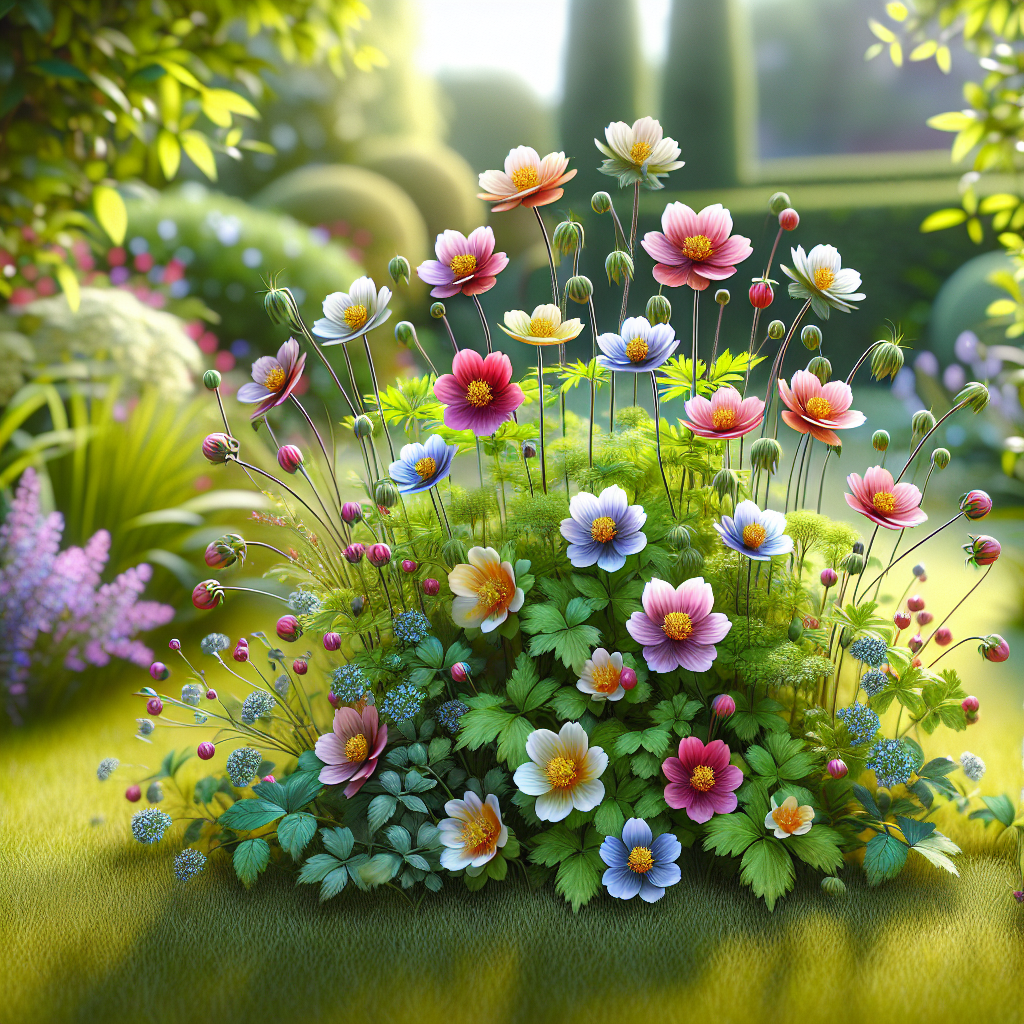
Amid the vast tapestry of flora that graces our planet, small flowers often go unnoticed. While many people might admire the grandeur of roses or the marvelous display of orchids, it is the simple small flowers that embody a unique charm and elegance. Often overlooked, these petite blooms are brimming with life and character. This article delves into the world of small flowers—their diversity, significance, and the joy they bring to our lives.
Defining Small Flowers
What exactly are small flowers? Typically, these are blooms that measure less than two inches in diameter. They can be humble yet exquisite, ranging from tiny wildflowers sprouting in your backyard to delicate blossoms found in gardens and meadows across the world. Some common examples include daisies, pansies, chamomiles, and forget-me-nots.
The Ecological Importance of Small Flowers
Why Are Small Flowers Important to Ecosystems?
Small flowers are vital to ecosystems for several reasons:
-
Pollination: Many small flowers are a rich source of nectar and pollen, attracting a myriad of pollinators such as bees, butterflies, and hummingbirds. These pollinators are crucial for the reproductive processes of many plants, contributing to biodiversity.
-
Biodiversity and Habitat: Small flowers contribute to the richness of plant life, providing habitat and food for various creatures. They often grow in areas that larger plants can’t, thus creating a niche that promotes biodiversity.
-
Soil Health: Many small flowering plants are excellent at preventing soil erosion. Their root systems stabilize the soil, reducing runoff and promoting healthier earth.
-
Indication of Ecological Health: The presence of specific small flowers can be indicators of certain soil types and ecological health, aiding scientists in understanding environmental changes.
A Closer Look at Popular Small Flowers
1. Bluebell (Hyacinthoides non-scripta)
-
Characteristics: Known for their striking blue-violet bell-shaped flowers, bluebells are native to woodlands in Europe. They bloom in dense clusters, creating a mesmerising carpet of color in spring.
-
Questions and Answers:
-
How can I grow bluebells in my garden?
- Bluebells thrive in well-drained, leaf-rich soil. Plant seeds or bulbs in a shady area of your garden in late autumn.
-
Are bluebells toxic to pets?
- Yes, bluebells contain compounds that can be harmful to pets if ingested.
-
2. Forget-me-not (Myosotis spp.)
-
Characteristics: These tiny blue flowers, often with a yellow eye, symbolize love and remembrance. They bloom in clusters during spring and early summer.
-
Questions and Answers:
-
What conditions do forget-me-nots prefer?
- Forget-me-nots prefer moist, organic-rich soil and partial shade. They can tolerate full sun but may wilt in extreme heat.
-
Can I grow forget-me-nots from seeds?
- Absolutely! Sow seeds directly in the garden in early spring; they prefer not to be transplanted.
-
3. Daisy (Bellis perennis)
-
Characteristics: Daisies are iconic flowers known for their simple white petals surrounding a bright yellow center. They bloom almost year-round and signify purity and innocence.
-
Questions and Answers:
-
How do I care for daisies in my garden?
- Daisies need full sun and well-drained soil. Water them regularly, but allow the soil to dry out between waterings.
-
Are daisies edible?
- Yes, the petals are safe to eat and can add a delightful touch to salads and desserts.
-
The Cultural Significance of Small Flowers
How Have Small Flowers Influenced Culture?
-
Symbolism: Many small flowers hold deep cultural meanings. For instance, the forget-me-not is often associated with true love and remembrance. Similarly, daisies symbolize loyalty and purity.
-
Art and Literature: Small flowers frequently appear in poetry, painting, and literature. They represent simplicity, innocence, and the transient beauty of life.
-
Spirituality: In various cultures, small flowers are used in rituals, symbolizing new beginnings and growth. For example, they are often seen in Buddhist art, representing enlightenment.
Growing Small Flowers in Your Garden
Why Should You Plant Small Flowers?
-
Low Maintenance: Generally, small flowers require less time and resources compared to larger blooms. They are often hardy and can thrive in challenging conditions.
-
Versatile Planting Options: Small flowers can be used in various landscaping scenarios, from borders and rock gardens to container displays. Their compact nature allows them to fit into small spaces.
-
Encouraging Pollinators: By planting small flowers, you create an inviting habitat for essential pollinators, thus aiding your local ecosystem while enhancing the beauty of your garden.
Tips for Growing Small Flowers
-
Choose the Right Location: Most small flowers thrive in well-drained soil and full sun conditions, though some prefer partial shade.
-
Plan for Seasons: Select a mix of annuals and perennials to ensure blooming throughout the growing season. Some small flowers bloom in spring, while others may flower in late summer or fall.
-
Regular Care: Deadhead faded flowers to encourage more blooms, and be mindful of watering needs—a balance between withholding and providing for young plants is key.
The Therapeutic Benefits of Small Flowers
How Can Small Flowers Enhance Mental Health?
-
Connection to Nature: Spending time around flowers, even small ones, can help reduce stress and promote feelings of tranquility. The colors and fragrances stimulate positive emotions.
-
Gardening as Therapy: Engaging in gardening activities with small flowers can be a meditative practice. The repetitive actions of planting, weeding, and caring can be calming.
-
Aesthetic Joy: The sight of blooming flowers, regardless of size, can bring joy to daily life. Creating arrangements of small flowers for indoor spaces can brighten a room and uplift one’s spirit.
Small Flowers in Floral Arrangements
How Can Small Flowers Be Used Creatively?
-
Accents: Small flowers can serve as delightful accents in larger arrangements, filling in gaps or providing unexpected pops of color.
-
Wildflower Bouquets: Grouping small flowers together can create charming, rustic bouquets that evoke a natural aesthetic.
-
Table Settings: Use small flowers in bud vases for dining table centerpieces, or create mini arrangements for place settings at events.
-
Crafting: Dried small flowers can inspire crafts and projects, from making potpourri to enhancing homemade greeting cards.
Preserving Small Flowers
How Can You Preserve Small Flowers?
-
Pressing: Small flowers can be pressed between the pages of heavy books. Once flattened, they can be displayed in frames or incorporated into crafts.
-
Dried Arrangements: Hang small flower bunches upside down in a cool, dark, and dry place to dry naturally. Once dried, they can be used in decorative arrangements.
-
Infusions: Some small flowers can be infused in oils or vinegar, creating fragrant culinary uses or unique bath oils.
The Global Diversity of Small Flowers
Where Can Small Flowers Be Found?
Small flowers are present across various ecosystems worldwide, from meadows and forests to urban gardens. Here are a few notable habitats:
-
Wildflower Meadows: Areas where small wildflowers naturally grow provide critical habitats for wildlife. These include regions like the California poppy fields and the meadows of the European Alps.
-
Coastal Gardens: Coastal areas boast unique small flowers that thrive in sandy, salty environments, such as seaside daisies.
-
Urban Gardens: Small flowers adapt well to urban settings, making them popular choices for balconies or pots on patios.
Conclusion
The world of simple small flowers is rich and textured, offering endless diversity and beauty. While larger blooms may draw the eye, it is often the unassuming small flowers that leave a lasting impression on our hearts and minds. Their ecological importance, therapeutic benefits, and cultural significance make them invaluable to both nature and humanity. Whether you choose to cultivate these charming flowers in your garden, admire them on a nature walk, or simply appreciate their beauty in a bouquet, small flowers truly enrich our lives.
Their unpretentious elegance reminds us that beauty doesn’t always have to be grand or ostentatious. Sometimes, it is found in the delicate petals of a tiny flower swaying gently in the breeze. As we reconnect with nature and foster our green spaces, let’s celebrate these small yet mighty blooms—nature’s little wonders that bring joy, color, and life to our world.