
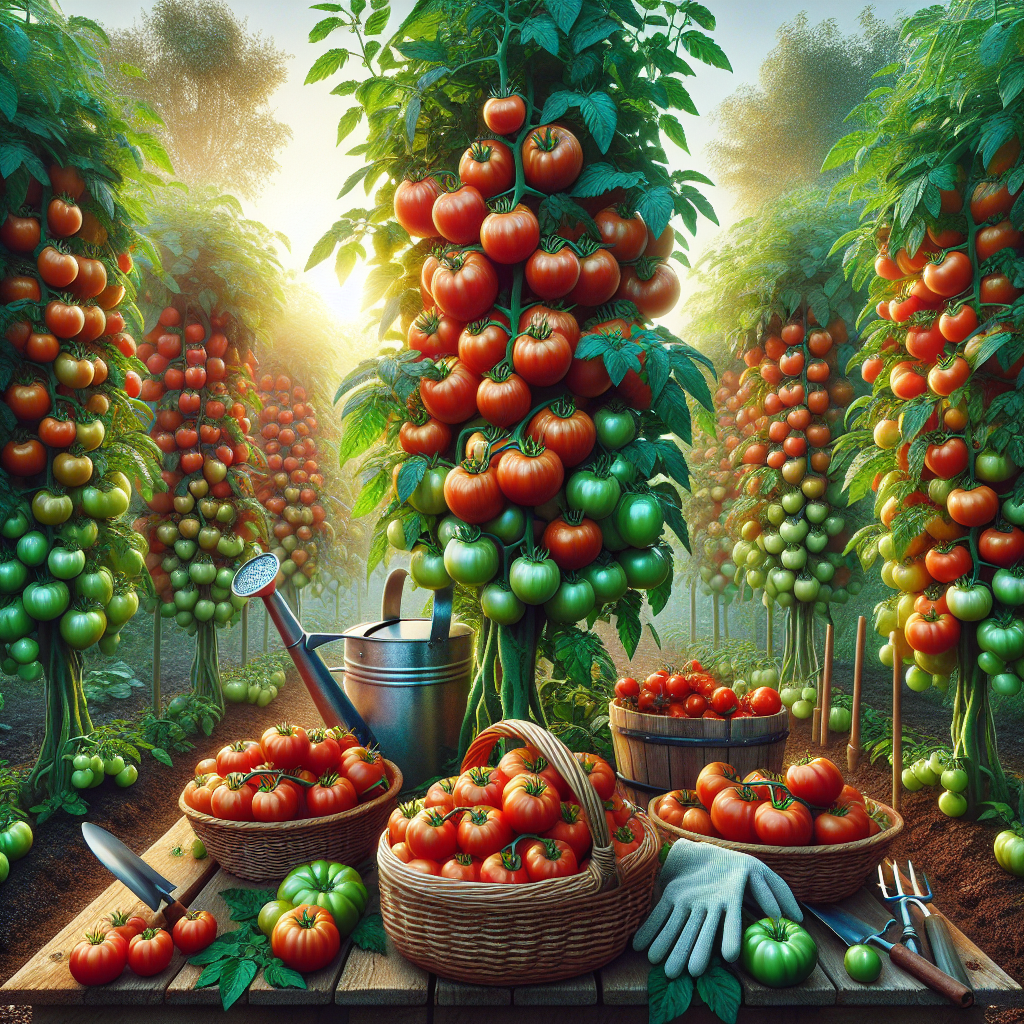
Tomatoes are among the most popular garden plants, providing rich flavor and vibrant color to many dishes. If you’re passionate about cultivating your own tomatoes or simply looking to increase your harvest this season, you’re in the right place. This guide will explore various strategies, techniques, and best practices to maximize the yield of tomatoes from each plant.
Table of Contents
- Understanding Tomato Types
- Soil Preparation and Fertility
- Optimal Planting Techniques
- Watering Wisely
- Pruning for Production
- Supporting Your Plants
- Companion Planting
- Managing Pests and Diseases
- The Role of Sunlight
- Extending the Harvest
- Conclusion
1. Understanding Tomato Types
What types of tomatoes should I grow for higher yields?
Tomatoes generally fall into two categories: determinate and indeterminate.
-
Determinate tomatoes grow to a fixed height and produce fruit all at once. They are great for container gardening and tend to be bushier. Popular varieties include ‘Roma’ and ‘Celebrity.’
-
Indeterminate tomatoes continue to grow and produce fruit throughout the growing season until frost. They often require staking and can yield significantly more over time, making varieties like ‘Beefsteak’ and ‘Cherokee Purple’ highly sought after.
For higher yields, indeterminate varieties are often recommended, but a mixture can provide a more continuous harvest.
2. Soil Preparation and Fertility
What is the best soil for growing tomatoes?
Soil quality plays a crucial role in the health and yield of tomato plants. Ideally, tomatoes thrive in well-draining, fertile soil with a pH between 6.0 and 6.8.
-
Testing the Soil: Before planting, conduct a soil test to determine the pH and nutrient levels. Many local agricultural extensions offer testing services.
-
Amending the Soil: If your soil is lacking in nutrients, consider adding organic matter such as compost or well-rotted manure. You can also use a balanced fertilizer high in phosphorus (the middle number in the N-P-K ratio) to encourage flowering and fruiting.
3. Optimal Planting Techniques
How do I plant tomatoes for maximum yield?
-
Spacing: Plant tomatoes with enough space between them to allow for good air circulation. A common recommendation is 18 to 24 inches apart. Overcrowded plants can lead to disease and reduced yields.
-
Depth: When planting, bury the stem of the tomato plant deeper than its original depth. Tomatoes can grow roots from their buried stems, promoting a stronger root system and better access to nutrients.
4. Watering Wisely
How much water do tomatoes need?
Tomatoes require consistent moisture but do not thrive in soggy soil.
-
Watering Schedule: A common rule of thumb is to water deeply and infrequently. Aim for 1-2 inches of water per week, depending on rainfall and environmental conditions.
-
Mulching: Use organic mulch like straw or shredded leaves to retain moisture and regulate soil temperature. This not only reduces evaporation but also suppresses weeds that compete for nutrients.
5. Pruning for Production
Should I prune my tomato plants? If so, how?
Pruning is a vital step in maximizing your tomato yield.
-
Removing Suckers: Suckers are the small shoots that grow in the joint between the stem and branches. Remove these to encourage the plant to focus its energy on producing fruit rather than foliage.
-
Foliage Management: Thin out the more congested branches to improve air circulation, aiding in disease prevention, and can result in larger fruit.
6. Supporting Your Plants
What type of support should I use for tomatoes?
Tomato plants, especially indeterminate varieties, benefit significantly from support systems.
-
Stakes: Use sturdy wooden or metal stakes set at planting time to avoid damage to roots later. Tie the plant loosely as it grows, ensuring the ties do not constrict.
-
Cages: Tomato cages are another excellent option, providing a supportive structure that allows for natural growth.
7. Companion Planting
What plants should I grow alongside tomatoes?
Certain companion plants can enhance the health of your tomatoes by repelling pests or improving nutrient availability.
-
Basil: Improves flavor and may deter pests such as aphids.
-
Marigolds: Provide pest control due to their scent.
-
Onions: Help in repelling aphids and other harmful insects.
8. Managing Pests and Diseases
How can I protect my tomato plants from pests and diseases?
-
Regular Inspection: Routinely check your plants for signs of pests such as aphids, spider mites, and whiteflies. Catching and addressing problems early can prevent them from causing significant damage.
-
Organic Controls: Use insecticidal soap or neem oil for organic pest control, and introduce beneficial insects such as ladybugs that can help keep aphid populations in check.
-
Disease Management: Rotate crops annually and practice good sanitation (removing debris) to reduce the spread of diseases. Look for disease-resistant varieties, as these can withstand common tomato ailments.
9. The Role of Sunlight
How much sunlight do tomatoes need?
Tomatoes are sun-loving plants and thrive in full sun.
- Sun Exposure: Ensure that your tomato plants receive at least 6-8 hours of full sunlight each day. Insufficient light can lead to spindly growth and poor fruit production.
10. Extending the Harvest
How can I prolong the tomato harvest season?
-
Succession Planting: Staggering your planting dates can ensure a more extended harvest. Start some plants early indoors or in a heated greenhouse and plant others later in the season.
-
Row Covers: Use row covers during unexpected cold snaps in the spring or fall to provide warmth and protect your plants.
11. Conclusion
In conclusion, maximizing tomato yield per plant involves a comprehensive approach that considers variety selection, soil preparation, proper planting, watering techniques, pruning, and pest management. By understanding and implementing these practices, you can significantly increase your tomato harvest and enjoy fresh, homegrown produce throughout the summer.
Tomatoes, with their unique flavors and varieties, can become a rewarding aspect of your gardening journey when your plants yield a bountiful crop. Whether you’re growing them in the backyard or on a balcony, following these guidelines will help you maximize your harvest and provide you with delicious fruits for your culinary adventures. Happy gardening!