
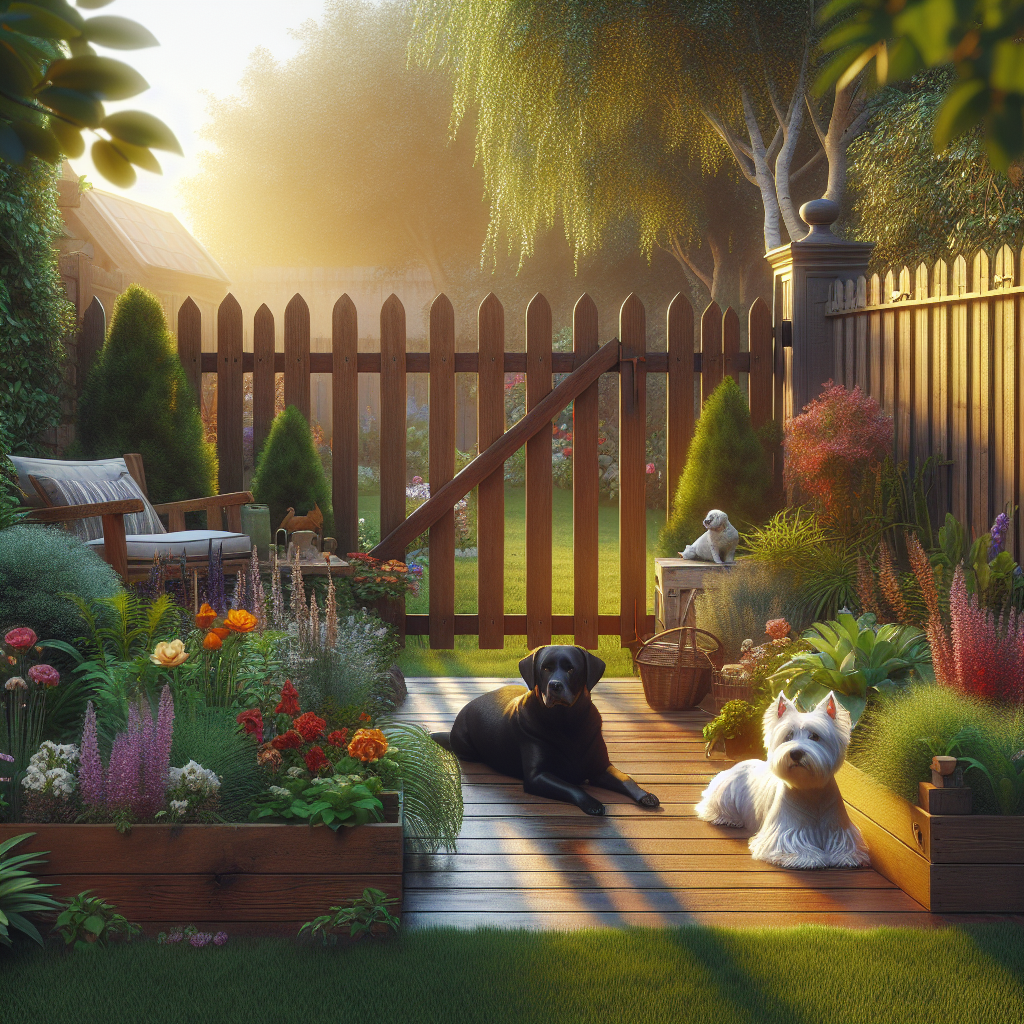
When it comes to our furry companions, ensuring their safety and happiness is a top priority. One of the best ways to do this is by providing a secure space for them to explore and enjoy the outdoors. A garden fence for dogs is not just a functional barrier; it can be a stylish extension of your home and a haven for your four-legged friend. In this comprehensive guide, we’ll explore everything you need to know about garden fences for dogs, from types and materials to installation tips and style considerations. Let’s dive in!
Why Do You Need a Garden Fence for Your Dog?
Safety First
1. What are the primary safety concerns for dogs in an unfenced yard?
An unfenced yard poses several safety risks for your dog, including:
- Escaping: Curious dogs might wander off into the neighborhood or potential danger zones.
- Interaction with Wild Animals: Dogs can encounter wild animals that could injure them or transmit diseases.
- Traffic Hazards: Unfenced areas allow easy access to roads, which can lead to tragic accidents.
Peace of Mind
2. How does a garden fence offer peace of mind for dog owners?
With a secure fence, dog owners can feel confident letting their pup roam freely. This freedom encourages:
- Physical Activity: Dogs can run, play, and utilize their energy without restrictions.
- Socialization Opportunities: With more outdoor time, dogs can meet and play with neighbors’ pets, helping to enhance their social skills.
Versatility
3. Can garden fences serve multiple purposes?
Definitely! Besides keeping your dog safe, garden fences can also:
- Define Space: They can outline your garden or backyard area, demarcating boundaries.
- Aesthetic Appeal: Many fence styles can enhance the visual appeal of your home.
- Garden Protection: Fences can deter wildlife from entering your garden and eating your plants.
Types of Garden Fences for Dogs
1. Chain Link Fences
4. What are the pros and cons of chain link fences?
Pros:
- Durability: Chain link fences are built to last and resist weather damage.
- Visibility: Your dog can see through the fence, which can reduce anxiety.
Cons:
- Limited Aesthetics: The industrial appearance may not suit all landscapes.
- Climbability: Some agile dogs may find a way to scale them if they are too short.
2. Wooden Fences
5. What makes wooden fences a popular choice?
Pros:
- Customizable: Wood can be painted or stained to match your home’s style.
- Privacy: Solid wood fences provide a high level of privacy for both you and your dog.
Cons:
- Maintenance: They require regular upkeep, including staining and painting.
- Cost: High-quality wood can be more expensive than other materials.
3. Vinyl Fences
6. Why consider vinyl fencing for dogs?
Pros:
- Low Maintenance: Vinyl fences never require painting and are easy to clean.
- Durability: They won’t rust or rot, providing great longevity.
Cons:
- Cost: Initial investment can be higher than wood or chain link.
- Limited Repair Options: If damaged, vinyl can be more difficult to fix than other types.
4. Electric Fences
7. How do electric fences work?
Electric fences utilize a system of underground wires that deliver a mild shock when the dog approaches the boundary, discouraging them from crossing. Pros include:
- Flexibility in Design: They can be installed according to your specific yard shape.
- Minimal Visual Impact: They don’t detract from your landscaping.
Cons includes:
- Training Required: Dogs must be trained to understand the boundary.
- Safety Concerns: Not all dogs respond well to electric fences.
5. Invisible Fences
8. What are invisible fences, and how do they work?
Invisible fences operate on a similar principle to electric fences, using a collar that emits a sound or vibration when the dog approaches the set boundary. Pros include:
- Aesthetically Pleasing: No physical structure is visible to obstruct your yard’s beauty.
- Customizable: Boundaries can be adjusted as necessary.
Cons:
- Dependence on Training: Like electric fences, dogs must be trained to recognize the boundaries.
- Limited Deterrence for Other Animals: While effective for containing your dog, they don’t prevent other animals from entering the yard.
Factors to Consider When Choosing a Garden Fence for Dogs
1. Dog Breed and Size
9. How does the breed and size of your dog influence fence choice?
Different breeds have varying escape tendencies. For instance, smaller breeds might be kept in with a shorter fence, while larger or more energetic breeds may require taller, more secure fencing. Additionally:
- Jumpers: More athletic dogs may require fences taller than 6 feet.
- Diggers: Some breeds may try to dig under; buried fencing or cement bases may be needed.
2. Local Climate
10. How does climate play a role in choosing a fence?
In areas with harsh weather, different materials fare better:
- Wet: Rivers or lakes nearby may necessitate materials that resist rot.
- Windy: High winds could down a poorly built fence; consider sturdier construction.
3. Community Regulations
11. Are there regulations impacting fence installation?
Before building a fence, check with local building codes or homeowner association guidelines. This could affect:
- Height Restrictions: Many communities impose limits.
- Setback Requirements: Some areas require fences to be set back a certain distance from property lines.
Installation Tips for Your Dog’s Garden Fence
1. Site Preparation
12. What’s the first step in installing a fence?
Start with the preparation of the site:
- Survey the Area: Identify property lines and mark boundaries.
- Clear Vegetation: Remove any shrubs or obstacles to locate a clear area for digging.
2. Measure and Mark
13. How do you accurately measure for your fence?
Use measuring tape to:
- Determine Length: Measure each section and keep a record.
- Create Corners: Mark corners with stakes.
3. Choose Quality Materials
14. What materials should you prioritize?
Quality material is key to ensuring durability. Choose:
- Heavy-Duty Hardware: High-quality screws, nails, and brackets can withstand wear.
- Weather-Resistant Products: Look for materials designed for your local climate.
4. Follow Local Building Codes
15. Why is it essential to comply with local regulations?
Failure to adhere to local codes can lead to fines or forced removal. Moreover:
- Permits: Some areas may require a permit before installation.
- Neighbor Notifications: Maintaining good relationships with neighbors is vital. Informing them provides transparency.
5. Involve Professionals When Needed
16. When should you hire a professional?
If the installation feels overwhelming or requires specialized tools, hiring a professional might be worth the investment. This could also:
- Ensure Proper Installation: Professional contractors have the experience and expertise.
- Save Time: Relying on experts frees you up for other tasks.
Creativity and Aesthetics: Making Your Fence a Part of Your Garden Design
1. Staining and Painting
17. How can staining or painting the fence improve its appearance?
A well-stained or painted wood fence can elevate your garden’s aesthetics. Choose colors that complement:
- Your Home’s Exterior: This creates a seamless look.
- Garden Flora: Enhancing the mood of your garden can be achieved through color selection.
2. Decorative Features
18. What kind of decorative elements can enhance your fence?
- Trellises: Installing trellises with climbing vines not only adds beauty but can also increase privacy.
- Planters: Incorporating planters into your fence design provides both greenery and seasonal color.
3. Art and Lighting
19. How can you personalize your fence?
Adding:
- Garden Art: Consider hanging artwork or wind chimes to infuse personality.
- Solar Lights: These can illuminate pathways while adding a safety feature for evening walks.
Maintenance: Keeping Your Garden Fence Dog-Ready
1. Regular Inspections
20. What routine inspections should be carried out?
Conduct ongoing checks for:
- Loose Boards or Fittings: Addressing these early prevents escapes.
- Signs of Decay or Damage: Rot in wooden fences should be fixed promptly.
2. Seasonal Maintenance
21. What are key maintenance tasks for the seasons?
- Spring: Clean and assess damage from winter.
- Summer: Treat wood for insect prevention.
- Fall: Inspect for autumn debris that may cause damage.
- Winter: Remove snow or ice buildup that could shift or compromise the fence.
Conclusion
Investing in a garden fence for your dog not only enriches their life but also gives you peace of mind knowing they’re secure while enjoying the outdoors. By choosing the right type of fence, considering materials, ensuring proper installation, and maintaining it over time, you create a beautiful, functional space that benefits both you and your four-legged family member.
Incorporate your creative flair, stay informed about regulations, and embrace this opportunity to connect with your pet in a safe haven. Whether you opt for a wood, vinyl, chain link, or even an electric fence, the right choice will both enhance your garden and foster a loving environment for your dog to explore, play, and unwind. After all, every wagging tail deserves its own slice of paradise!