
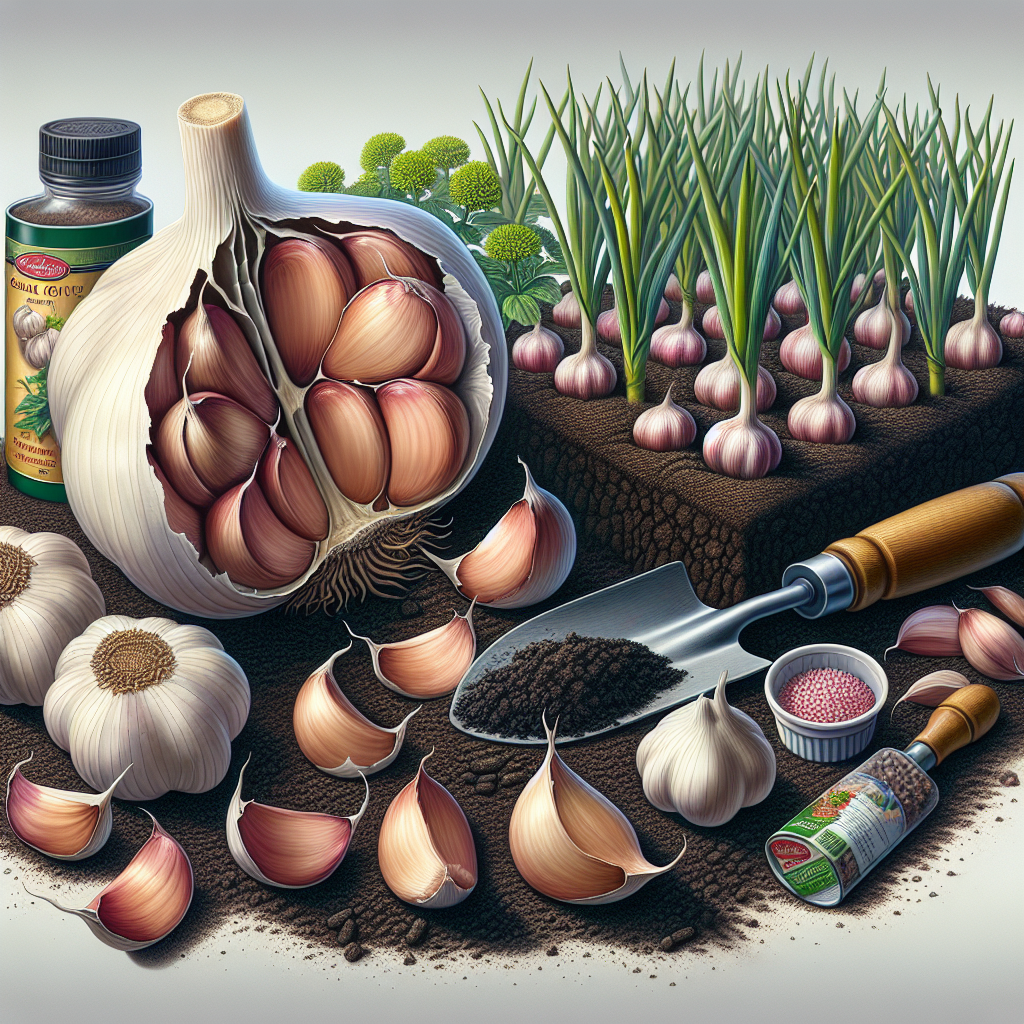
Garlic, scientifically known as Allium sativum, is a versatile and nutritious plant that has been cultivated for thousands of years. Not only is it a staple in culinary practices worldwide, but garlic also boasts numerous health benefits, ranging from its antimicrobial properties to its ability to boost cardiovascular health. For those interested in growing their own garlic, separating the cloves for planting is a critical first step. This article will guide you through the process, addressing common questions and sharing valuable tips to ensure a bountiful harvest.
Understanding Garlic Varieties
Before diving into the specifics of separating garlic cloves, it’s important to recognize that there are two primary types of garlic: hardneck and softneck.
Hardneck Garlic
- Characteristics: Hardneck garlic typically has a stiff, central stalk and produces larger cloves arranged in a more irregular cluster. It is known for its robust flavor and complex aromas.
- Flavor Profile: Often has a more spicy, garlicky flavor.
- Region: Better suited for colder climates.
Softneck Garlic
- Characteristics: This variety has a softer, more flexible neck and tends to produce smaller, more uniform cloves. Softneck garlic is the kind most commonly found in grocery stores.
- Flavor Profile: Milder flavor, with some varieties having a slight sweetness.
- Region: Thrives in warmer climates.
Understanding the type of garlic you wish to plant is crucial, as it affects not only the planting techniques but also the care requirements and the eventual harvest quality.
Why Separate Garlic Cloves?
Separating garlic cloves serves several purposes:
- Disease Prevention: Using individual cloves helps minimize the risk of fungi or pests spreading throughout the bulb.
- Uniform Planting: Planting single cloves ensures that they have enough room to grow and develop.
- Optimized Growth: Separating allows you to select larger and healthier cloves for planting, enhancing your chances of a successful harvest.
Step-by-Step Process of Separating Garlic Cloves
1. Gather Your Supplies
To effectively separate garlic cloves, you’ll need:
- Garlic bulbs: Choose high-quality, disease-free bulbs suited for your climate and region.
- A sharp knife: Although it is possible to separate by hand, a knife can help make clean cuts if necessary.
- Gloves: Some people prefer to wear gloves to avoid the odor of garlic sticking to their hands.
- A workspace: A clean, flat surface to work on will make the process easier.
2. Choose the Right Garlic Bulbs
Not all garlic bulbs are suitable for separating cloves. When selecting bulbs, look for the following characteristics:
- Size: Choose large, healthy bulbs with firm skin.
- Appearance: Avoid bulbs with mold, soft spots, or any signs of rot.
- Source: Ideally, purchase bulbs from a local farmer’s market or a trusted seed supplier. This ensures they are adapted to your local climate.
3. Preparing the Bulbs
Once you’ve selected your garlic bulbs, it’s time to prepare them:
- Remove Excess Soil: Gently brush off any loose soil. Avoid washing the bulbs with water, as this can encourage rot.
- Inspect the Bulbs: Carefully examine each bulb for signs of spoilage or damage. Remove any damaged cloves or those that seem unhealthy.
4. Separating the Cloves
Now comes the exciting part: separating the cloves. Here’s how to do it:
- Identify the Cloves: Each garlic bulb consists of multiple cloves. Take a moment to observe the arrangement before beginning to separate.
- Twist and Pull: Gently twist each clove away from the bulb. It should come off with minimal effort. If a clove is particularly stuck, it may be necessary to use a sharp knife to cut it from the bulb, ensuring you do not damage the base of the clove.
- Keep the Papery Skin: Leave the papery skin on the cloves, as it helps protect them during planting and further processing.
5. Preparing Cloves for Planting
Once you’ve separated the garlic cloves, it’s important to prepare them for planting:
- Inspect Again: Look for any bruised or damaged cloves. Discard any that don’t meet your quality standards.
- Trim Tips: If the roots are long, you can trim them slightly, but be careful not to cut too much, as this can hinder growth.
- Drying: If you have time, allow the cloves to dry for a few hours or overnight in a cool, dark place. This process helps to strengthen the skin and reduce the risk of rot.
- Storage: If you’re not planting immediately, store cloves in a mesh bag or paper bag in a cool, dark place.
Common Questions About Separating Garlic Cloves
1. Can I plant garlic bought from the grocery store?
Yes, you can plant garlic purchased from a grocery store, but there are important considerations. Store-bought garlic is often treated to prevent sprouting, and it may not be well-suited for the specific growing conditions in your area. For best results, purchase garlic from a specialized seed supplier or local farmer.
2. How do I know if a garlic clove is healthy for planting?
A healthy garlic clove should be:
- Plump and firm
- Free from soft spots, mold, or discoloration
Steer clear of any cloves that exhibit signs of damage or decay.
3. When is the best time to plant garlic?
The ideal time to plant garlic typically falls in the fall or early spring, depending on your climate. In most regions, planting in the fall allows garlic to establish roots before winter dormancy, leading to better growth in the spring and summer.
4. How far apart should I plant garlic cloves?
Cloves should be planted around 6–8 inches apart, with rows spaced about 12–18 inches apart. This spacing allows enough room for broadleaf growth and airflow, which can help reduce the risk of disease.
5. How deep should I plant garlic cloves?
Garlic cloves should generally be planted about 2–4 inches deep, with the pointed end facing upward. This depth protects the cloves from environmental stress while promoting strong root growth.
6. What should I do if my garlic cloves sprout before planting?
It’s common for garlic cloves to sprout when kept in storage for a while. If your cloves have small sprouts, you can still plant them; however, you should gently remove the sprout to prevent it from detracting energy from the growing bulb.
7. Are there any pests or diseases I should be aware of?
Yes, there are various pests and diseases that can affect garlic, including:
- Bacterial soft rot: Causes garlic cloves to become mushy and rot.
- Nematodes: Microscopic worms that can affect root systems.
- Onion maggots: Larvae of flies that can burrow into garlic bulbs.
Practice good garden hygiene, rotate crops, and monitor your plants closely to mitigate these risks.
Tips for Successful Garlic Planting
-
Soil Preparation: Garlic prefers well-draining soil rich in organic matter. Before planting, consider adding compost or well-rotted manure to enhance soil quality.
-
Watering: Garlic does not require a lot of water, but it’s beneficial to keep the soil consistently moist, especially during the initial growth phase. Overwatering can lead to rot, so make sure your soil drains well.
-
Mulching: Applying a thick layer of mulch (around 2–4 inches) can help conserve moisture, suppress weeds, and regulate soil temperature.
-
Fertilizing: Fertilizing can support healthy growth. Use a balanced fertilizer in the spring when shoots begin to emerge, and consider a high-nitrogen fertilizer to promote leafy growth.
-
Monitoring Growth: Keep an eye on your garlic plants as they grow. Yellowing leaves and stunted growth can indicate issues with pests or nutrients.
-
Harvesting: It’s essential to know when to harvest garlic for optimal flavor and storage. Typically, garlic is ready to be harvested when the lower leaves begin to brown, but some upper leaves remain green. Carefully dig up the bulbs to avoid damage.
Conclusion
Separating garlic cloves for planting is a simple yet rewarding process that can set the stage for a successful harvest of this precious bulb. By understanding the characteristics of different garlic types, selecting quality bulbs, and following the proper steps for separation, you pave the way for healthy growth. With a little care and attention, you will soon enjoy the satisfaction of growing your own garlic, enhancing your culinary endeavors while reaping the numerous health benefits it offers.
Whether you’re an experienced gardener or a novice looking to dive into the world of gardening, the joy of planting garlic is one of the many gifts that nature has to offer. Happy planting!