
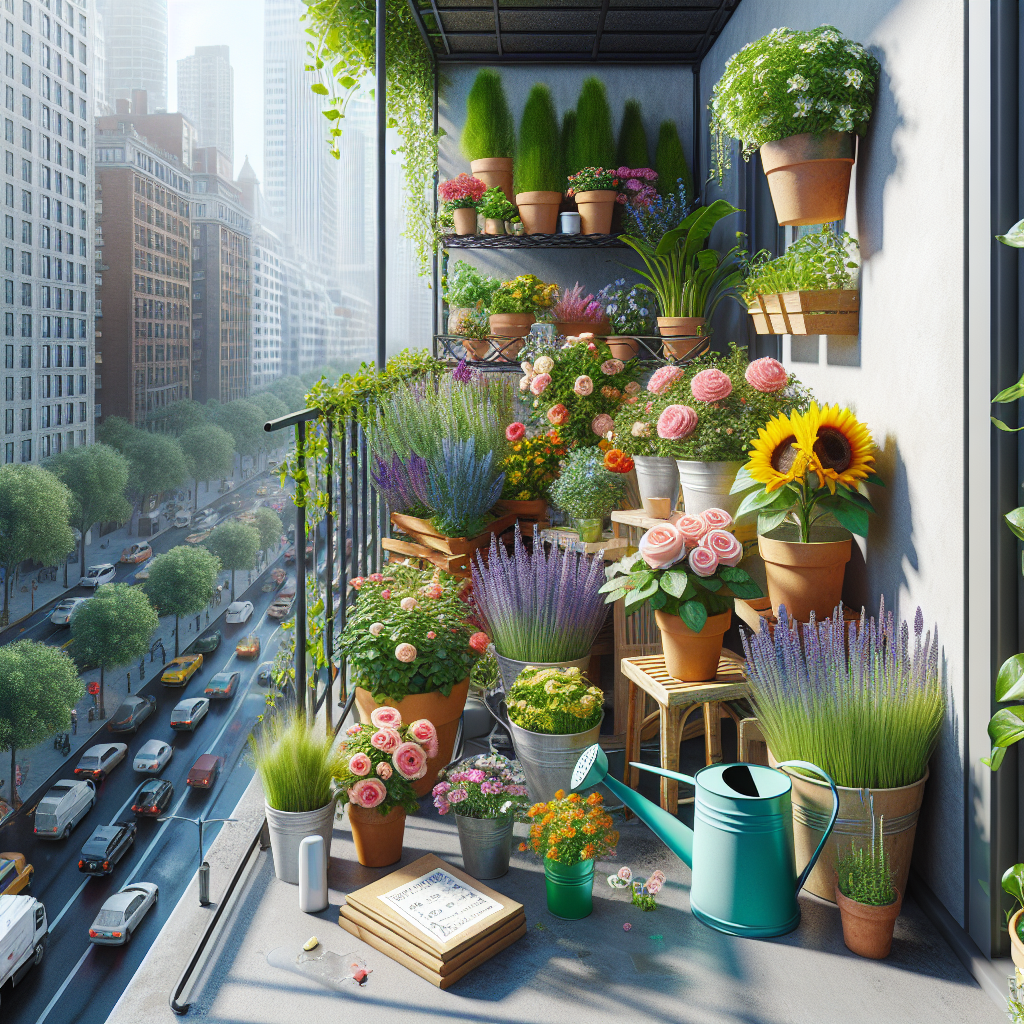
In recent years, there has been a notable surge in the interest surrounding sustainability and urban gardening. For those residing in apartments, space can be an ongoing challenge, which often raises the question: How can I cultivate a thriving garden in such limited quarters? The answer lies in apartment container gardening, a remarkable solution that not only beautifies living spaces but also promotes healthy living and environmental consciousness.
In this article, we’ll delve into the ins and outs of apartment container gardening, including essential tips, popular plants, sustainability practices, and answers to commonly asked questions. Let’s embark on an enriching journey that transforms your living space into a green sanctuary.
What is Apartment Container Gardening?
Apartment container gardening refers to the practice of growing plants in containers, such as pots, window boxes, or hanging baskets, instead of planting directly in the ground. This method not only maximizes available space but also allows individuals to grow herbs, vegetables, and decorative plants indoors or on balconies, patios, and rooftops.
The Benefits of Container Gardening in Apartments
-
Space Efficiency: Containers can be placed on windowsills, balconies, or even small tables, making them perfect for urban settings where outdoor space is limited.
-
Accessibility: For those with mobility issues or limited outdoor access, containers can be placed at varying heights for ease of gardening.
-
Control Over Soil and Conditions: Growing in containers allows you to manage soil quality and drainage, leading to healthier plants.
-
Pest Management: Container gardening often reduces pest issues since you’re not directly in contact with garden soil, leading to lesser pest infestations.
-
Aesthetic Appeal: Beautiful pots and vibrant plants can enhance the aesthetic of your apartment, creating a cozy and inviting ambiance.
-
Improved Air Quality: Houseplants are known to improve indoor air quality by absorbing carbon dioxide and releasing oxygen. They also help filter toxins from the air.
Getting Started: Essential Components of Apartment Container Gardening
Before diving into specific plants, it’s vital to understand the essential components for successful apartment container gardening.
1. Selecting Containers
Containers come in various sizes, shapes, and materials. Here are some options:
- Clay Pots: Attractive but can dry out quickly.
- Plastic Planters: Affordable and lightweight, but less aesthetically pleasing.
- Self-Watering Containers: Great for low-maintenance gardening.
- Baskets or Fabric Bags: Breathable, ideal for certain plants.
It’s crucial to ensure containers have drainage holes to prevent water from accumulating and causing root rot.
2. Choosing Soil
Container gardening requires a different soil mix than traditional gardening. Look for:
- Potting Mix: A lightweight and well-draining media that includes components like peat moss, perlite, and compost.
- Organic Options: If you’re leaning toward sustainable gardening, choose organic mixes that promote microbial health.
Avoid using garden soil as it’s usually too dense and may harbor pests.
3. Light Requirements
Plants vary in their light needs. Assess the lighting in your apartment and choose accordingly:
- Full Sun (6-8 hours): Great for tomatoes, peppers, and sunflowers.
- Partial Sun (4-6 hours): Perfect for leafy greens, herbs, and some flowering plants.
- Low Light: Ideal for pothos, snake plants, and other shade-tolerant options.
4. Watering
Proper watering is crucial, especially in containers where soil can dry out quickly. Tips include:
- Water when the top inch of soil feels dry.
- Ensure excess water drains out.
- Consider using a moisture meter for precise control.
5. Temperature and Humidity
Most plants thrive in a temperature range of 65°F to 75°F. Be mindful of your apartment’s heating and cooling systems, as they may affect humidity levels. To create humidity, consider:
- Misting plants.
- Grouping plants together.
- Using a humidity tray filled with water and pebbles.
Popular Plants for Apartment Container Gardening
Now that you have the foundational knowledge, let’s explore some popular plants suitable for container gardening.
Herbs
- Basil: Thrives in sunshine and adds flavor to various dishes.
- Mint: A vigorous grower that prefers partial shade.
- Thyme: A hardy herb that requires minimal care.
Benefits: Fresh herbs enhance your culinary creations and are a delightful addition to any kitchen.
Vegetables
- Cherry Tomatoes: Require full sun and support for growth.
- Lettuce: Grows quickly and can be harvested multiple times.
- Radishes: Fast-growing, making them ideal for beginners.
Benefits: Growing your own vegetables not only saves money but guarantees freshness.
Flowering Plants
- Petunias: Colorful blooms that thrive in sunny spots.
- Geraniums: Attractive and resilient in varying conditions.
- Succulents: Low-maintenance and diverse in styles.
Benefits: Flowers bring vibrancy and beauty to your living space.
Sustainable Practices in Container Gardening
Apartment container gardening can also be a vehicle for sustainable living. Here are ways to make your gardening more eco-friendly:
-
Composting: Create compost at home using vegetable scraps and organic materials. This can enhance soil quality and reduce waste.
-
Rainwater Harvesting: Collect rainwater for watering plants. Utilize a rain barrel or simply a bucket on your balcony.
-
Choose Native Plants: Native plants are adapted to local climates and require less water and maintenance.
-
Natural Pest Control: Utilize companion planting to deter pests or introduce beneficial insects like ladybugs.
Common Questions About Apartment Container Gardening
1. What if I don’t have a balcony or outdoor space?
Even without outdoor space, you can start an indoor garden. Use shelves, window sills, or wall-mounted planters.
2. How do I prevent pests from harming my plants?
Regularly check your plants for signs of infestations. Maintain good air circulation, remove dead leaves, and use organic insecticidal soap for treatment when necessary.
3. How often should I fertilize my plants?
Generally, potted plants require more frequent feeding due to limited soil nutrients. A monthly feeding with a balanced liquid fertilizer is usually sufficient.
4. Can I grow plants in low-light conditions?
Yes! Certain plants thrive in low-light conditions, including snake plants, pothos, and peace lilies.
5. How do I harvest herbs and vegetables without harming the plant?
For herbs, trim leaves regularly to encourage growth. For vegetables, ensure you pick fruits or leaves when they’re ripe and ready.
Tips for Success in Apartment Container Gardening
-
Start Small: Begin with a few containers. As you gain experience, you can gradually expand your garden.
-
Rotate Plants: Move your plants occasionally to ensure even light exposure.
-
Keep a Gardening Journal: Document your plant’s growth, watering schedules, and any issues faced. This helps in continuous improvement.
-
Engage with a Community: Join online groups or local gardening clubs for support, advice, and resources.
The Emotional and Psychological Benefits of Container Gardening
Beyond its practical advantages, container gardening holds profound emotional benefits. Engaging with plants can be a soothing, meditative practice. Research has shown that gardening can reduce symptoms of anxiety and depression. Cultivating life can foster a sense of accomplishment and connection to nature, especially in bustling urban environments.
Conclusion: Your Green Sanctuary Awaits
Apartment container gardening opens up a world of possibilities, allowing residents to cultivate their green sanctuaries amidst the chaos of urban life. From understanding basic requirements to selecting plants and employing sustainable practices, anyone can embark on this rewarding journey.
Whether you wish to nurture fragrant herbs for culinary adventures, vegetables for nutritious meals, or simply vibrant flowers for aesthetics, apartment container gardening can suit your desires and lifestyle.
So, gather your pots, seeds, and soil, and transform your apartment into a blooming oasis. Your journey into apartment container gardening will not only beautify your living space but also enrich your life. Happy gardening!