
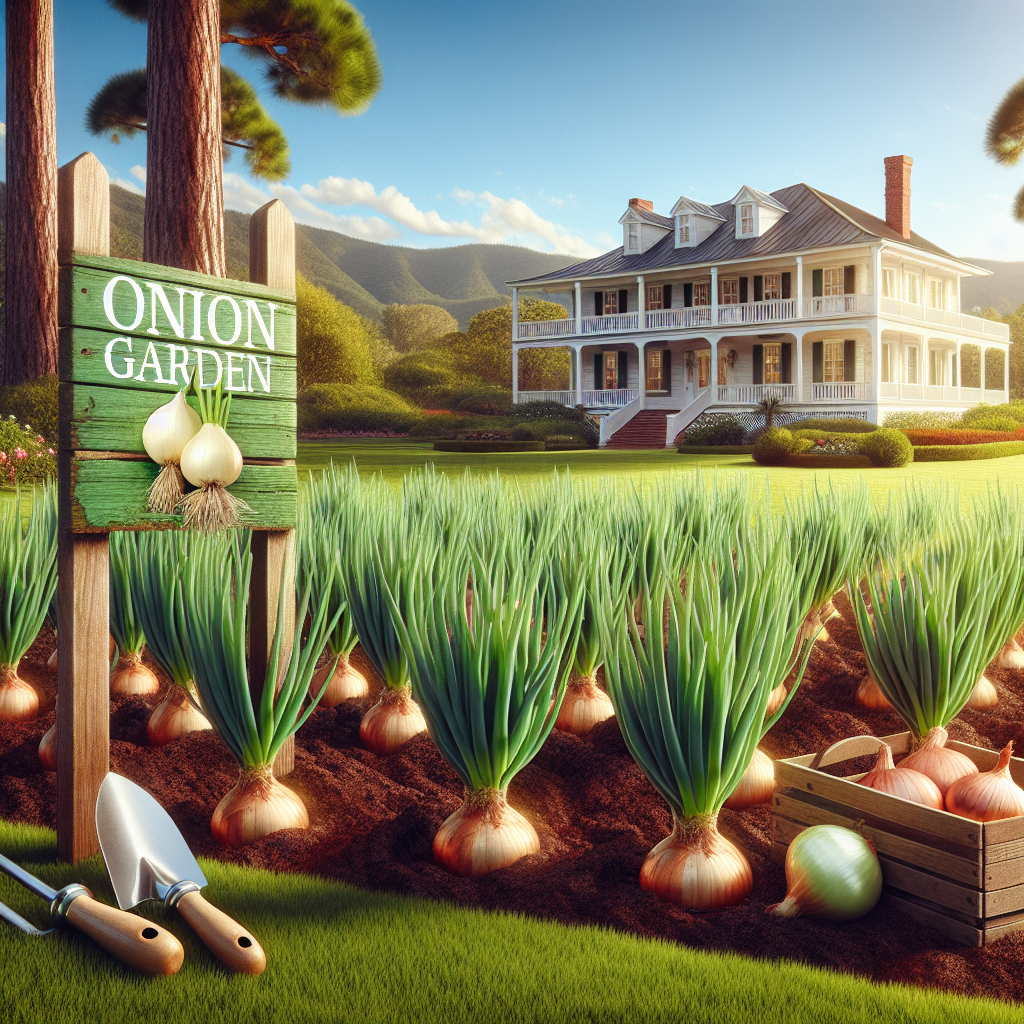
Growing onions is not just a culinary endeavor; it is a rewarding journey that can yield personal satisfaction and economic returns. In Georgia, with its unique climate and soil conditions, growing onions can be particularly fruitful. This article will delve into the intricacies of onion cultivation in Georgia, touching on growing practices, pest management, harvesting, and much more. Whether you are a novice gardener or a seasoned farmer, this comprehensive guide will provide valuable insights into successful onion farming.
Understanding the Climate and Soil of Georgia
What is the best climate for growing onions?
Onions thrive in climates that are moderate to warm. Georgia, with its humid subtropical climate characterized by long, hot summers and mild winters, creates an ideal environment for onion cultivation. The state generally experiences a frost-free growing season, which can run anywhere from 210 to 300 days, depending on the region.
What type of soil is best for onions?
Soil quality is paramount for successful onion farming. Onions prefer well-draining soil rich in nutrients and organic matter. Georgia’s soils vary greatly, but many agricultural regions, especially those in the southern part of the state, possess sandy loam soil infused with organic material. This type of soil allows for better root growth and easier drainage, reducing the risk of diseases caused by excess moisture.
How do you prepare the soil for planting onions?
Soil preparation is a critical step before planting onions. Here are the steps you should follow:
-
Test the Soil: Conduct a soil test to determine nutrient levels and pH balance. Onions thrive in slightly acidic to neutral pH levels (6.0 to 7.0).
-
Amend the Soil: Based on soil test results, amend the soil with organic matter like compost or well-rotted manure. This not only improves nutrient availability but also enhances soil structure.
-
Tillage: Tillage should be done to break up compacted soil and integrate organic matter. Use a rototiller or garden fork to aerate the soil, which helps in root penetration.
-
Weed Control: Clear any existing weeds, as they can compete with your onions for nutrients and moisture. A good method is to cover the soil with a layer of mulch after planting to suppress weed growth.
Choosing Onion Varieties
What onion varieties grow best in Georgia?
There are several onion varieties suitable for Georgia’s climate. They can be broadly categorized into two types: short-day and intermediate-day onions.
-
Short-Day Onions: Varieties such as ‘Texas Super Sweet’ and ‘Vidalia’ are popular among Georgia farmers. These types begin to bulb when day lengths reach 10-12 hours.
-
Intermediate-Day Onions: Varieties like ‘Red Creole’ and ‘Granex’ work well in slightly varied conditions in Georgia, where day lengths fluctuate a bit more.
Note: The Vidalia onion, known for its sweetness, is particularly famous and regulated within Georgia. It can only be produced in specific regions, ensuring quality and uniqueness.
Which variety should I choose for home gardening?
If you’re growing onions at home, particularly in a small garden, high-yield short-day varieties such as ‘Sweet Spanish’ or ‘Walla Walla’ are excellent choices. They not only provide abundant yields but are also flavorful for culinary applications.
Planting Techniques
When is the best time to plant onions in Georgia?
The optimal planting time for onions in Georgia typically falls between late January and March. The specific timing may vary depending on your local climate conditions.
What is the best method for planting onions?
-
Seedlings: You can start onions from seedlings or onion sets (small bulbs). If using seedlings, sow them indoors about 8 to 10 weeks before the last expected frost, and then transplant them outside.
-
Direct Sowing: If using onion sets, plant them directly in the garden in rows, spacing the bulbs about 4 inches apart with 12-16 inches between rows.
Step-by-Step Planting Process for Onion Sets
-
Moisten the Soil: Ensure the soil is moist but not waterlogged.
-
Create Furrows: Use a hoe or garden rake to create furrows in the prepared garden bed.
-
Place Bulbs: Position the onion sets in the furrows, with the pointed end facing up.
-
Cover: Gently cover the bulbs with soil, pressing down lightly to eliminate air pockets.
-
Water: After planting, water the area thoroughly to establish a strong root system.
How can I increase onion yields?
-
Soil Moisture: Regularly check soil moisture levels. Onions prefer consistent, moderate moisture but despise soggy conditions.
-
Fertilization: Consider top-dressing with a nitrogen-rich fertilizer every few weeks to promote healthy leaf growth.
-
Pest Management: Keep an eye out for pests and diseases that can affect yields, such as onion maggots and downy mildew.
Managing Pests and Diseases
What common pests affect onions in Georgia?
Onion cultivation isn’t without challenges. The most common pests include:
-
Onion Maggots: These pests can burrow into the bulbs.
-
Thrips: Tiny insects that feed on foliage, causing silver streaks and overall weakening of the plant.
-
Armyworms and Cutworms: These pests can devastate young plants if left unchecked.
How can I control pests organically?
There are several methods to manage pest populations without resorting to synthetic insecticides:
-
Companion Planting: Interplanting with flowers like marigolds can deter onion pests.
-
Neem Oil: This natural pesticide can help in managing thrips and other soft-bodied insects.
-
Physical Barriers: Using row covers can provide an immediate barrier against pests.
What diseases should I be aware of?
Common diseases affecting onions include:
-
Downy Mildew: Characterized by yellowing leaves and purple spores in humid conditions.
-
Fusarium Basal Rot: This disease often occurs in poorly drained soils and can be devastating.
How can I manage these diseases?
-
Crop Rotation: Rotate crops each year to minimize disease occurrence.
-
Good Hygiene: Ensure tools and equipment are sterilized to prevent disease spread.
-
Proper Spacing: Adequate spacing between plants encourages air circulation, reducing humidity around foliage and preventing fungal diseases.
Watering and Maintenance
How much water do onions need?
Onions require about one inch of water per week during the growing season, either from rainfall or irrigation. It’s essential to maintain consistent moisture without waterlogging, which can lead to root rot.
What are the best practices for watering?
-
Drip Irrigation: This method is effective for maintaining moisture while minimizing disease risk.
-
Mulching: Applying mulch can help retain moisture and suppress weed growth.
How often should I weed the onion bed?
Weeding should be conducted regularly, especially during the early growth stages. Once the onions grow larger, their foliage will help shade out many weeds, but consistent monitoring is still crucial.
Harvesting Onions
How do I know when to harvest my onions?
Onions are ready to harvest when:
-
Leaves Turn Yellow: Most green tops will fall over and turn yellow.
-
Bulbs Are Sufficiently Large: Inspect the size of the bulbs to ensure they’re fully developed.
-
Skin Texture: The outer skin should be dry, papery, and the onions should feel firm.
What is the best way to harvest onions?
-
Loosen the Soil: Use a spade or fork to gently lift onions from the soil without damaging them.
-
Pulling Them Up: Grab the green tops and gently pull them out of the ground.
-
Curing: After harvesting, cure the onions in a warm, dry place for 2 to 3 weeks. This process allows the skins to dry and improves storage life.
Can I store my harvested onions?
Yes, properly cured and stored onions can last several months. Keep them in a cool, dry place with good air circulation. Avoid plastic bags; instead, use mesh bags or hang them in bundles.
Conclusion
Growing onions in Georgia opens up a world of culinary possibilities and offers a chance to engage with nature while cultivating a delightful and versatile vegetable. From understanding the unique climate and soil conditions of the region to choosing the right variety and employing effective pest management strategies, this guide covers all the essential aspects of successful onion farming. Whether for personal consumption or commercial sale, growing onions can prove to be a rewarding adventure full of learning experiences.
By following these guidelines, you can enjoy a fruitful harvest of onions and perhaps even share your love of gardening with friends and family. Happy gardening!