
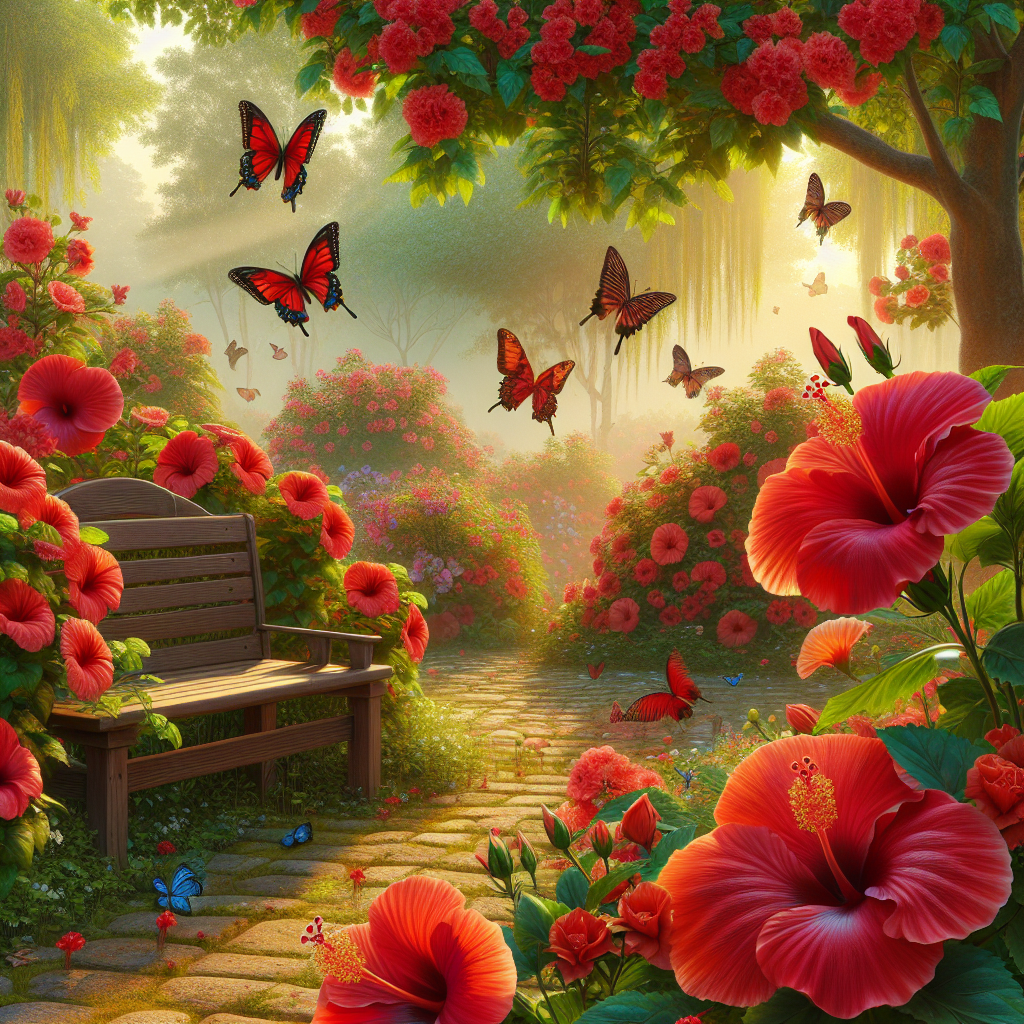
The Captivating Red Hibiscus: A Deep Dive into Nature’s Delight
Introduction
The red hibiscus (Hibiscus rosa-sinensis), often referred to as the “Chinese Rose,” is a flower celebrated for its striking beauty and cultural significance across the globe. With its vibrant petals and lush green leaves, this perennial plant is not only a visual delight but also a source of numerous benefits, ranging from culinary to health-related. This article aims to explore the multifaceted characteristics of the red hibiscus, answering common questions and diving deep into its wonders.
Historical Significance of the Red Hibiscus
1. Where did the red hibiscus originate?
The red hibiscus is believed to be native to East Asia and is commonly found in tropical and subtropical regions worldwide. It has been cultivated for centuries, admired for its ornamental beauty, and associated with various cultures, particularly in Hawaii where it is the state flower.
2. How has the red hibiscus been used historically?
Historically, the red hibiscus has been used in traditional medicine, cooking, and decoration. In many cultures, the flower symbolizes hospitality, love, and beauty, making it a popular choice for leis in Hawaii and wedding decorations in various cultures.
Characteristics of the Red Hibiscus
3. What does the red hibiscus look like?
The red hibiscus is renowned for its large, trumpet-shaped flowers, typically measuring 4 to 7 inches in diameter. The petals are smooth, often with a glossy finish, and can range from bright scarlet to deep crimson hues. The plant itself can grow up to 8-10 feet tall in warmer climates and features dark green foliage that enhances the flower’s vibrant color.
4. What are the growth conditions for red hibiscus?
Red hibiscus thrives in full sun and prefers warm temperatures, making it ideal for tropical and subtropical gardens. It requires well-draining, fertile soil and should be watered regularly, especially during dry spells. The plant is moderately drought-resistant once established but grows best with consistent moisture.
Botanical Properties and Taxonomy
5. How is the red hibiscus classified?
The red hibiscus belongs to the Malvaceae family and is classified as follows:
- Kingdom: Plantae
- Clade: Angiosperms
- Clade: Eudicots
- Order: Malvales
- Family: Malvaceae
- Genus: Hibiscus
- Species: H. rosa-sinensis
Health Benefits of Red Hibiscus
6. What are the health benefits of consuming red hibiscus?
Red hibiscus is not just a pretty flower; it has a variety of health benefits:
- Rich in Antioxidants: Red hibiscus is loaded with antioxidants, which help combat oxidative stress and free radicals in the body.
- Blood Pressure Regulation: Studies suggest that hibiscus tea can help lower blood pressure levels in those with hypertension.
- Digestive Health: Consuming hibiscus can promote digestive health due to its mild diuretic properties and ability to support liver function.
- Weight Management: Some research indicates that hibiscus extract may assist in weight loss by slowing down the absorption of starch and glucose.
- Skin Health: The flower’s extracts are often found in skincare products, as it is believed to promote healthy, youthful skin by increasing hydration and elasticity.
Culinary Uses of Red Hibiscus
7. What are the culinary uses for red hibiscus?
- Hibiscus Tea: One of the most popular uses, hibiscus tea has a tart flavor reminiscent of cranberries and is enjoyed chilled or hot. It’s often sweetened with honey and can be mixed with other herbs and fruit.
- Juice and Syrups: Hibiscus flowers can be used to make delicious juices or syrups, adding a floral note to cocktails and desserts.
- Salads and Dishes: Fresh hibiscus petals can be added to salads or used as garnishes, providing both color and a unique taste.
Cultural Significance
8. What is the cultural importance of red hibiscus?
In various cultures, the red hibiscus holds symbolic meaning:
- Hawaiian Culture: In Hawaii, the flower represents delicacy and beauty, and it’s often worn by women in their hair to signify romantic availability.
- Chinese Culture: The hibiscus flower symbolizes good luck and prosperity and is sometimes used in traditional medicine.
- Indian Culture: In some parts of India, the red hibiscus is associated with the goddess Kali and is offered in temples as a form of devotion.
Growing and Caring for Red Hibiscus
9. How can one cultivate their own red hibiscus?
Planting your red hibiscus can be an incredibly rewarding experience. Here are the steps to grow and care for your plant:
- Choosing the Right Location: Select a spot that receives at least 6 to 8 hours of sunlight daily. Hibiscus thrives best in warm, bright environments.
- Soil Preparation: Ensure the soil is well-draining and rich in organic matter. A mix of loamy and sandy soil works well.
- Planting: Plant your hibiscus in early spring after the last frost. Dig a hole that is slightly larger than the root ball and set the plant in, covering the roots with soil.
- Watering: Water the plant thoroughly after planting. Keep the soil consistently moist during the growing season but avoid waterlogging.
- Fertilization: Feed the plant with a balanced fertilizer every month during the growing season to promote flowering.
- Pruning: Regular pruning in the late winter or early spring helps maintain the shape of the plant and encourages bushier growth.
Common Pests and Diseases
10. What are the common pests and diseases that affect red hibiscus?
Though generally hardy, red hibiscus can be susceptible to certain pests and diseases:
- Pests: Aphids, spider mites, and whiteflies often target hibiscus plants. Regular inspection and using insecticidal soap can help control infestations.
- Diseases: Fungal infections such as leaf spots and root rot can occur if proper care is not taken. Ensuring good air circulation and avoiding overhead watering can mitigate these issues.
Environmental Impact and Conservation
11. What role does red hibiscus play in the ecosystem?
The red hibiscus is not only a beautiful garden ornamental but also plays a crucial role in its ecosystem:
- Pollinator Attractant: The flowers are highly attractive to pollinators like bees and butterflies, contributing to biodiversity.
- Habitat: Hibiscus plants provide shelter and food for various insect species and birds.
12. How can we cultivate red hibiscus sustainably?
To cultivate red hibiscus sustainably, consider the following:
- Native Plants: Incorporate native plants into your garden alongside hibiscus to create a diverse and balanced ecosystem.
- Organic Practices: Use organic fertilizers and pest control methods to reduce harm to the environment.
- Water Conservation: Implement drip irrigation or rainwater collection to minimize water usage.
Frequently Asked Questions (FAQs)
13. How often does the red hibiscus bloom?
Red hibiscus typically blooms in the summer and can continue to produce flowers until the first frost. Each bloom lasts only a day but new buds are constantly forming.
14. Can red hibiscus be grown indoors?
Yes, red hibiscus can be grown indoors as long as it gets sufficient sunlight. A south-facing window is ideal. Ensure adequate humidity and be mindful of watering needs.
15. Is red hibiscus toxic to pets?
Red hibiscus is generally considered non-toxic to pets such as dogs and cats. However, ingestion in large amounts might cause mild gastrointestinal disturbances, so it’s recommended to monitor your pets’ behavior around the plant.
Conclusion
The red hibiscus is more than just a flower—it’s a vibrant symbol of culture and tradition, a natural remedy, a culinary delight, and a beautiful addition to any garden. Its rich colors and allure captivate plant lovers and casual observers alike, making it a cherished botanical treasure. Whether you’re sipping hibiscus tea, decorating for a special occasion, or simply admiring its beauty, the red hibiscus continues to captivate hearts and minds around the world.
Call to Action
This enlightening exploration of the red hibiscus encourages you to embrace its beauty and benefits. Whether you choose to cultivate it in your garden or incorporate it into your daily life, the red hibiscus is sure to bring joy and vibrancy to your surroundings. So go ahead, plant a hibiscus today and enjoy the splendor it brings!