
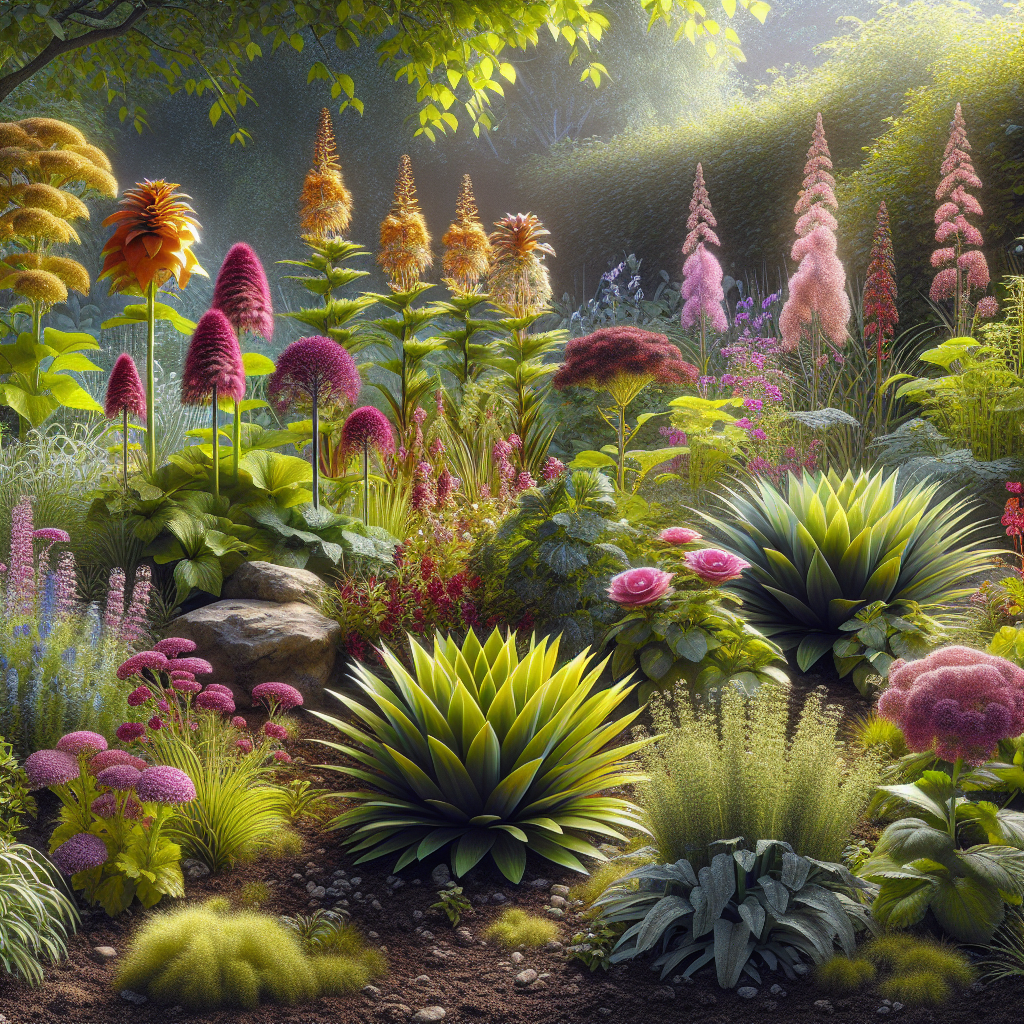
Alkaline soil, defined by a pH level above 7.0, offers a unique platform for cultivating a range of plants that thrive in such conditions. While many gardeners often default to acidic or neutral soil gardening, understanding and embracing the characteristics of alkaline soil can open up an array of opportunities. This article dives deep into the fascinating world of garden plants that flourish in alkaline conditions, guiding you through the types of plants, their care, and why they deserve a place in your garden.
Understanding Soil pH: The Basics
What is Soil pH?
Soil pH measures the acidity or alkalinity of the soil on a scale of 0 to 14. A pH of 7 is considered neutral; below 7 denotes acidic soil, while above 7 represents alkaline soil. Factors influencing soil pH include parent material, organic matter decomposition, and environmental conditions such as rainfall.
Why Does Soil pH Matter for Plants?
Soil pH influences nutrient availability, microbial activity, and soil structure. Certain nutrients, like phosphorus and calcium, become more readily available in alkaline conditions, while others, such as iron and manganese, may become deficient. Thus, understanding your soil pH can help you select the right plants that will thrive and flourish.
Plants that Thrive in Alkaline Soil
Here’s a detailed look at some of the garden plants that thrive in alkaline soil, along with practical tips for cultivating them:
1. Lavender (Lavandula spp.)
Characteristics
This aromatic perennial is well-known for its beautiful purple flowers and fragrant leaves. Lavender prefers well-drained alkaline soil and can tolerate dry conditions, making it a popular choice for low-maintenance gardens.
Care Tips
- Soil: Ensure that the soil pH is between 7 and 8.5.
- Water: Water sparingly once established; overwatering can lead to root rot.
- Sunlight: Requires full sun for at least 6-8 hours daily.
- Fertilizer: Use a low-nitrogen fertilizer to encourage blooming.
2. Sea Holly (Eryngium spp.)
Characteristics
These spiky blue flowered plants create a unique texture in the garden and are drought-resistant. They thrive in sandy or rocky alkaline soils and attract pollinators.
Care Tips
- Soil: Prefers a pH of 7-8.8.
- Water: Once established, this plant needs minimal watering.
- Sunlight: Thrives in full sun.
- Pruning: Deadhead spent flowers to promote continuous blooming.
3. Cabbage (Brassica oleracea)
Characteristics
Cabbage is not only edible but also aesthetically pleasing. It does well in alkaline conditions, allowing gardeners to enjoy both decorative and culinary benefits.
Care Tips
- Soil: A pH of 7.0-8.0 is ideal.
- Water: Regular watering is crucial; keep the soil consistently moist.
- Sunlight: Full sun to partial shade is suitable.
- Fertilizer: Use balanced fertilizers to ensure nutrient absorption.
4. Snapdragons (Antirrhinum majus)
Characteristics
Snapdragons produce colorful spikes of flowers that bloom in various shades, thriving best in alkaline soils. They can be annual or biannual, providing a prolonged blooming period.
Care Tips
- Soil: Optimal pH is between 7.0 and 8.0.
- Water: Water regularly in the early stages; once established, they are drought-tolerant.
- Sunlight: Full sun is necessary for abundant blooms.
- Pruning: Deadhead flowers to encourage further blooms.
5. Roses (Rosa spp.)
Characteristics
Roses can adapt to various soil types but flourish particularly well under alkaline conditions. Hybrids like the Knock Out rose are especially hardy.
Care Tips
- Soil: A pH of 6.8-7.2 works well but can tolerate slightly higher alkaline levels.
- Water: Deep watering is essential; avoid overhead watering.
- Sunlight: Roses prefer full sun but can tolerate partial shade.
- Pruning: Prune in late winter to prepare for spring blooming.
6. Wildflowers (Various species)
Characteristics
Many wildflowers, such as the California poppy or lupines, prefer alkaline environments and present a vibrant tapestry of colors in gardens.
Care Tips
- Soil: Prefer pH levels above 7.0.
- Water: Generally drought-resistant once established.
- Sunlight: Require full sun for optimal growth.
- Fertilizer: Avoid high-nitrogen fertilizers as it can lead to excessive foliage but fewer flowers.
7. Thyme (Thymus spp.)
Characteristics
A hardy herb often used in cooking, thyme prefers well-drained, alkaline soils and is an excellent companion plant.
Care Tips
- Soil: Prefers a pH around 7.0-8.0.
- Water: Water sparingly, allowing the soil to dry between applications.
- Sunlight: Needs full sunlight to thrive.
- Fertilizer: Minimal fertilization is needed; compost can enhance growth.
8. Oak Trees (Quercus spp.)
Characteristics
Oak trees can grow in a range of pH levels but prefer slightly alkaline soils, providing breathtaking shade and habitat for wildlife.
Care Tips
- Soil: Ideal pH ranges from 6.0-7.5, but some species thrive in alkaline conditions.
- Water: Young oaks need consistent watering; mature ones are drought-tolerant.
- Sunlight: Requires full sunlight for optimal growth.
- Pruning: Prune in late winter to maintain shape.
Benefits of Alkaline Soil Plants
1. Diverse Landscape Aesthetics
Plants that thrive in alkaline soil often exhibit a variety of textures and colors, adding visual interest to gardens. Whether you’re looking for striking flowers or unique foliage, alkaline soil plants can enhance your garden design.
2. Drought Resistance
Many alkaline-loving plants are adapted to thrive in less-than-ideal water conditions. Their resilience assists in water conservation, making them ideal choices for gardeners in arid regions.
3. Attracting Pollinators
Plants like lavender and wildflowers can attract vital pollinators such as bees and butterflies to your garden, supporting local ecosystems and increasing biodiversity.
4. Low Maintenance
Many alkaline soil plants, (e.g., sea holly and thyme), are low-maintenance, requiring minimal watering and care, making them great choices for busy gardeners.
Frequently Asked Questions
What can I do if my soil is acidic but I want to grow alkaline-loving plants?
If your soil is more acidic than preferred for alkaline-loving plants, you can amend it. This can be done by applying lime, which can effectively raise the soil pH over time. Be sure to conduct a soil pH test beforehand and consult local agricultural extensions for specific recommendations.
How do I test my soil’s pH level?
You can test your soil pH using DIY kits available at garden centers, which usually involve mixing soil with a testing solution. Alternatively, you can send samples to local extension services or laboratories that offer soil testing to get more accurate readings.
Are alkaline-loving plants more susceptible to pests or diseases?
Generally, alkaline-loving plants are not inherently more susceptible to pests or diseases; however, like all plants, they can be affected by local pests and pathogens. Regular monitoring and good garden hygiene can help mitigate these risks.
Can I still grow acid-loving plants in alkaline soil?
While it’s not ideal, some acid-loving plants may still survive in alkaline conditions if given special care, such as container planting with specific acidic soil mixes. However, it’s often easier to plant species that naturally suit the conditions.
How can I maintain an alkaline environment?
To maintain an alkaline environment, focus on plant selection, incorporate lime as needed, and avoid amendments that could lower the pH, like certain fertilizers. Additionally, practicing good watering habits can help maintain soil pH.
Are there any common misconceptions about alkaline soil?
One common misconception is that alkaline soil is poor quality or infertile; however, many plants thrive under these conditions. Each ecosystem offers unique advantages, and understanding local soil type is crucial to successful gardening.
Conclusion
Gardening in alkaline soil can be a rewarding endeavor, offering an array of plant options that might otherwise be overlooked. By choosing the right plants and adapting your gardening practices, you can create a beautiful, thriving landscape that supports both the environment and your gardening ambitions. Whether you’re drawn to ornamental beauty, culinary use, or ecological benefits, embracing the diversity of alkaline soil plants can enhance both your garden and your gardening experience. Dive in, explore, and allow the world of alkaline-loving plants to inspire your next garden project!
Further Reading and Resources
- Local Agricultural Extension Services
- Soil Testing Laboratories
- Gardening Books Focused on Soil Management
Embrace the beauty of alkaline soil plants and watch your garden flourish!