
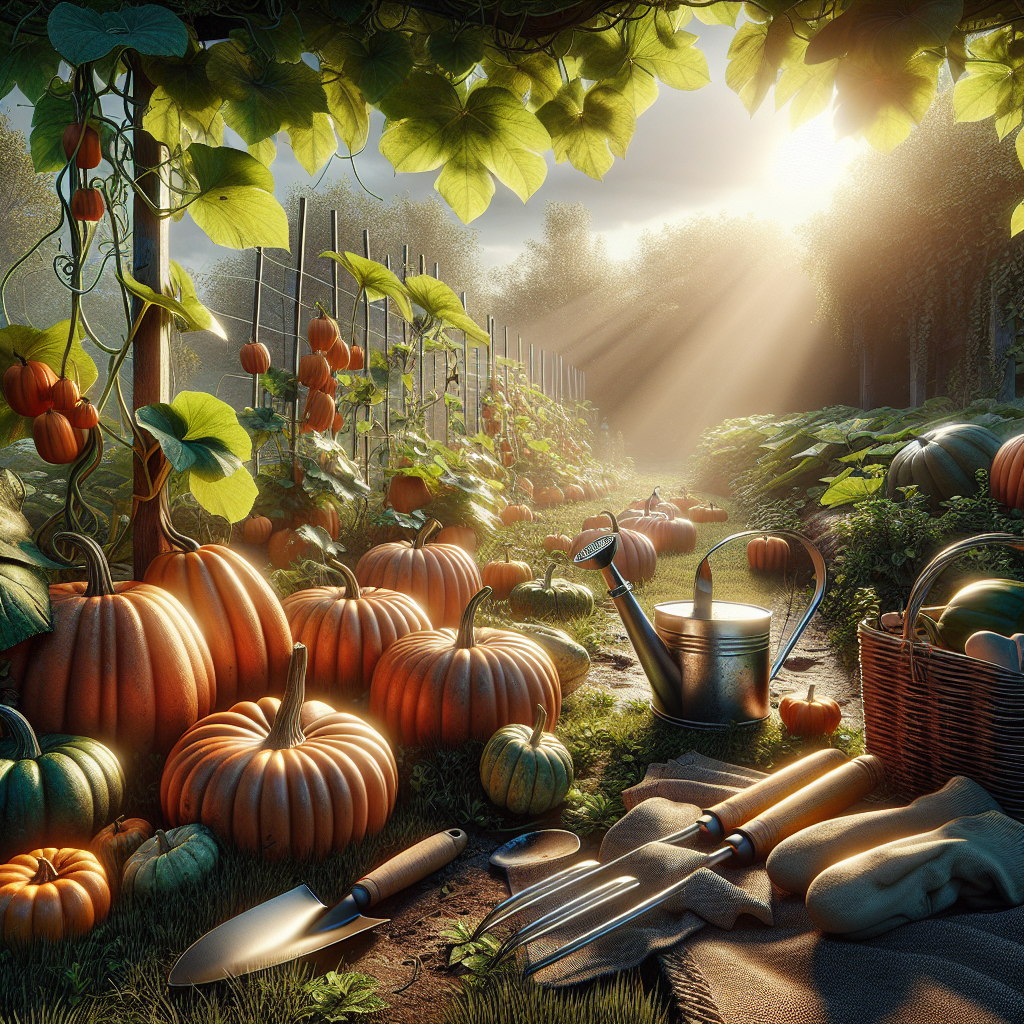
When it comes to cultivating a truly enchanting garden, few plants capture the imagination quite like pumpkins. Their bold colors, versatile uses, and sheer size make them a favorite among gardeners and consumers alike. If you’re in USDA Hardiness Zone 6, you’re in a prime position to grow healthy, plump pumpkins. This article serves as an exhaustive guide to understanding when and how to plant pumpkins in Zone 6—addressing key questions that gardeners often ponder.
Understanding USDA Zone 6
Before diving into the specifics of pumpkin planting, it’s essential to understand what USDA Zone 6 entails. This climate zone is characterized by:
- Average Winter Temperatures: Zone 6 typically has winter temperatures ranging from 0°F to 10°F (-18°C to -12°C).
- Growing Season: The last frost date often falls between mid-April to late April, while the first frost usually occurs around mid-to-late October.
- Soil Conditions: Zone 6 generally has fertile, well-draining soil, ideal for a variety of crops, including pumpkins.
When to Plant Pumpkins in Zone 6
The Optimal Timeline
Timing is everything when it comes to pumpkin planting. Here’s a rough timeline:
- Soil Temperature: Ideally, the soil temperature should be between 65°F to 85°F for successful germination. Pumpkins thrive in warm soil.
- Frost Dates: In Zone 6, the last expected frost date is typically around mid-to-late April. This is your green light for outdoor planting.
- Direct Seeding: Generally, pumpkins are sown directly into the soil about 2-4 weeks after the last frost date. For Zone 6, this usually means sowing seeds between late April to early May.
- Transplanting: If you choose to start seeds indoors, you should do so about 3-4 weeks before the last frost date. This allows young plants to be transplanted outdoors when conditions are ideal.
Key Questions About Pumpkin Planting in Zone 6
1. What are the Different Types of Pumpkins?
Pumpkins can be categorized into various types, impacting when and how you plant them:
- Jack O’Lantern: The classic choice for Halloween, these are generally medium to large in size.
- Pie Pumpkins: Smaller, sweeter pumpkins perfect for baking.
- Giant Pumpkins: Grown primarily for competitions, these require more space and care.
Tip: Knowing the type of pumpkin will help you determine the appropriate planting technique and care regime.
2. What are Soil Requirements for Growing Pumpkins?
Pumpkins prefer:
- Well-drained Soil: This allows their roots to access water without becoming waterlogged.
- Nutrient-Rich Compost: Incorporate compost or well-rotted manure into your soil to promote healthy growth.
- pH Levels: Aim for a soil pH between 6.0 and 7.5 for optimal nutrient uptake.
Test your soil: A soil test can provide valuable insights into nutrient levels and pH balance, guiding you on how to amend your soil effectively.
3. Can I Start Pumpkins Indoors?
Yes! In fact, starting your pumpkin seeds indoors can be highly beneficial, particularly for those looking to maximize their patch’s yield in Zone 6.
How to Start Indoors:
- Use biodegradable pots to minimize transplant shock.
- Keep the seeds in a warm location (around 70°F to 90°F).
- When transplanting outdoors, ensure young plants have at least two sets of true leaves.
4. How Much Space Do Pumpkins Need?
Pumpkins are vining plants requiring ample space to grow. The general recommendation is:
- Spacing: Space your seeds or seedlings approximately 3-5 feet apart, depending on the variety. Larger varieties require more space for sprawling.
Consider a Garden Layout: If you’re limited on space, consider using vertical gardening techniques, allowing vines to climb.
5. What Weather Conditions Affect Pumpkin Growth?
Pumpkins are sensitive to various climatic factors:
- Temperature: They flourish in warm weather but can be adversely affected by frost.
- Humidity: Pumpkins prefer moderate humidity and good air circulation to prevent diseases.
Monitor Conditions: Keep an eye on weather forecasts and be prepared to cover your plants if unexpected cold snaps occur.
Best Practices for Planting Pumpkins in Zone 6
Preparing Your Garden
-
Choose the Right Location: Select a sunny spot in your garden where pumpkins can soak up at least 6-8 hours of sunlight each day.
-
Soil Preparation: Before planting, till the soil to a depth of at least 12 inches. Adding compost or aged manure will enrich the soil, improving its structure and moisture retention.
-
Creating Mounds: Consider planting in mounds, which improve drainage and warmth. Create small hills (about 2 feet wide and 1 foot tall) spaced appropriately for your pumpkin variety.
Planting the Seeds
- Seed Depth: Plant seeds about 1-2 inches deep, ensuring soil temperatures are warm enough.
- Watering: Water gently after planting; too much water can wash away seeds, while too little can hinder germination.
- Mulching: Apply a layer of mulch around the plants to maintain soil moisture, suppress weeds, and stabilize soil temperature.
Ongoing Care
- Watering: Pumpkins require consistent moisture, especially during flowering and fruit set. Aim for about 1-2 inches of water per week.
- Fertilization: A balanced fertilizer supports healthy growth. Consider using a fertilizer higher in nitrogen during the initial growth phase, then switch to one richer in phosphorus and potassium as the pumpkins start to fruit.
- Pest and Disease Management: Monitor for pests such as aphids, squash bugs, and powdery mildew. Consider introducing beneficial insects or organic treatments to manage these threats.
Harvesting Your Pumpkins
The best part of the growing season? Harvesting!
- Timing: Generally, pumpkins are ready to harvest 90-120 days after planting, depending on the variety.
- Signs of Ripeness: Look for a hard rind, a deep color, and a dry stem. If you press your fingernail into the skin, it should not puncture easily.
- Cutting the Stem: Use a sharp knife or pruner to harvest your pumpkins, cutting the stem several inches above the fruit.
Frequently Asked Questions
Can I Plant Pumpkins After the Last Frost Date?
Yes, but it’s vital to ensure the soil is warm enough, typically around 65°F. If you’re sitting close to the last frost, you may want to consider starting seeds indoors or delaying for a week or so for optimal conditions.
What If It Rains Too Much?
Excessive rainfall can lead to root rot. It’s essential that your planting area has good drainage. If you face heavy rains, check the soil moisture and be ready to amend with compost or grit for better drainage.
Are There Companion Plants for Pumpkins?
Absolutely! Consider planting corn, beans, and squash (the “Three Sisters” method). These plants can create a supportive ecosystem and maximize space while deterring pests.
What Are Common Mistakes to Avoid?
- Planting Too Early: Be cautious of late frosts.
- Ignoring Soil Health: Neglecting to amend or test your soil can lead to poor growth.
- Overcrowding: Too many plants can lead to competition for nutrients and reduce overall yields.
The Joy of Growing Pumpkins
Planting pumpkins in Zone 6 is more than just a gardening endeavor; it’s an experience that can invigorate your garden and create lifelong memories. Beyond the thrill of growing and harvesting your pumpkins, they serve a multitude of purposes—from decorative displays to culinary delights.
Conclusion
Pumpkins are not just a crop; they’re a testament to the magic of nature and the joys of gardening. By understanding the optimal planting times, soil conditions, and cultivation methods specific to Zone 6, you can harvest a bountiful crop that will provide both aesthetics and nutrition. Whether you’re growing for Halloween, fall festivities, or simply to enjoy their vibrant color, pumpkins can enrich your gardening experience.
Armed with this knowledge, it’s time to roll up your sleeves and dig in. Happy gardening!