
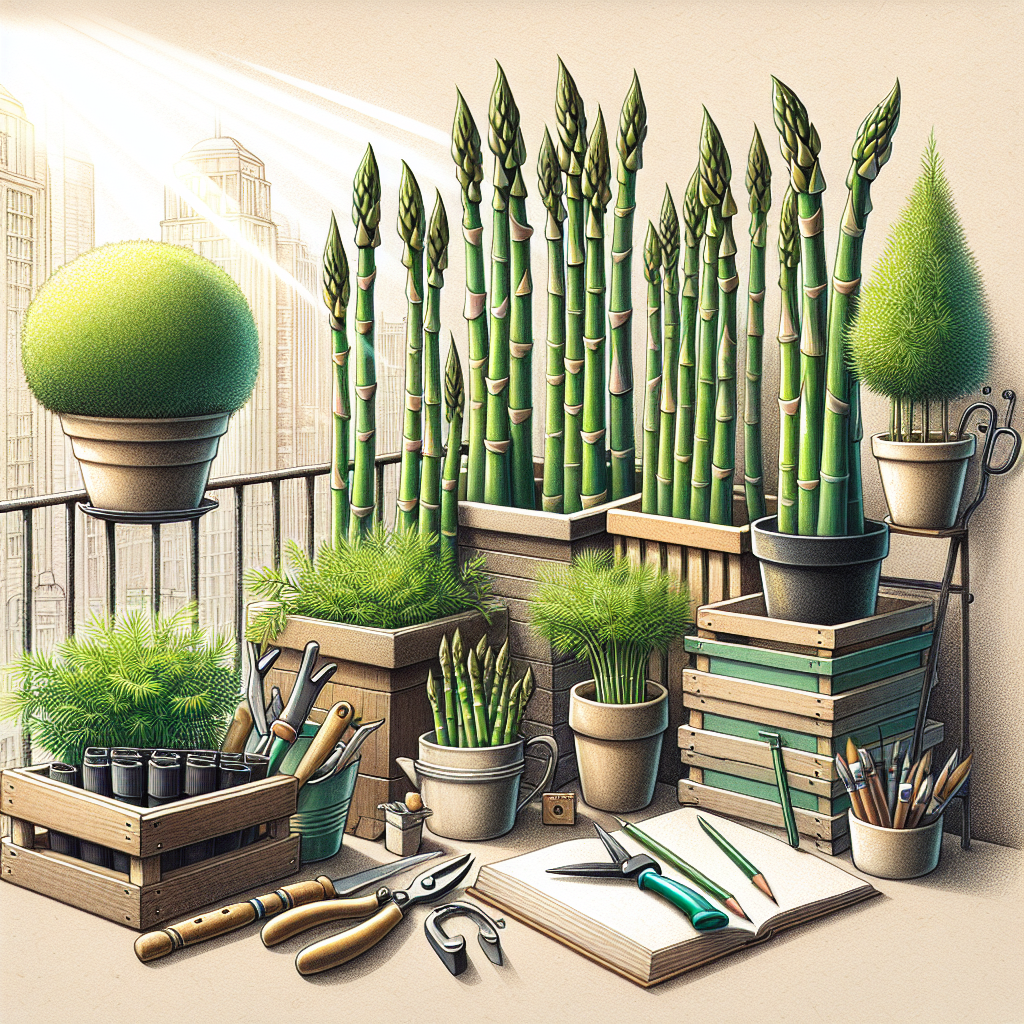
Asparagus (Asparagus officinalis) is an exquisite perennial vegetable renowned for its tender stalks and high nutritional value. How does one cultivate this regal green gem in limited spaces while enjoying the thrill of a thriving garden? Two words: container gardening. This comprehensive guide delves deep into the intricacies of growing asparagus in containers, from selecting the right types of pots to tips for nurturing them into thriving plants. Let’s explore the world of container gardening and answer some burning questions to ensure your journey into asparagus cultivation is as rewarding as possible.
What Makes Asparagus Special?
Before diving into container gardening specifics, it’s worth noting why asparagus deserves a spot in your garden. This perennial vegetable is low in calories, high in vitamins A, C, and K, and serves as a good source of folate and fiber. Not only is it delicious grilled, roasted, or steamed, but its unique flavor profile and tender texture elevate any dish. Furthermore, asparagus has been linked to various health benefits, including anti-inflammatory properties and improved digestion.
Why Grow Asparagus in Containers?
-
Space Efficiency: Container gardening is an ideal solution for those with limited outdoor space. Asparagus can thrive in pots on balconies, patios, or even indoors with sufficient sunlight.
-
Mobility: Containers can easily be moved to optimize sunlight exposure, providing the best environment for asparagus growth. You can even bring them indoors in colder months.
-
Soil Control: Growing asparagus in a container allows for precise control over the soil quality and nutrition. You can tailor the soil mix to meet the specific needs of asparagus.
-
Minimal Weeding: Containers generally reduce weed competition, giving your asparagus plants a better chance to thrive.
-
Aesthetic Appeal: Beautiful pots filled with lush asparagus can act as decorative elements, enhancing your outdoor space’s aesthetic.
What Do I Need to Get Started?
To embark on your asparagus container gardening journey, gather the following supplies:
-
Containers: Choose a pot that is at least 12 inches deep and 18-24 inches in diameter. Asparagus roots can grow long, and a deeper container gives them room to expand.
-
Quality Soil: An ideal soil mix combines good drainage with organic matter. A mix of potting soil, compost, and perlite or sand works best.
-
Seeds or Crowns: You can start from seed, but most gardeners opt for asparagus crowns, which are one-year-old immature plants. Crowns are easier to establish and yield faster results.
-
Fertilizers: Look for organic fertilizers high in potassium and phosphorus, usually needed to enhance root development.
-
Watering Can or Hose: Regular watering is crucial, especially in the warmer months.
-
Mulch: A layer of organic mulch helps retain moisture and suppress weeds.
Choosing the Right Pot
Selecting the right container is critical for successful asparagus cultivation. Here are factors to consider:
-
Material: Terracotta, plastic, and wooden containers all have their pros and cons. Terracotta pots allow for good airflow but dry out faster. Plastic containers are lightweight and retain moisture well.
-
Drainage: Ensure your containers have ample drainage holes. This prevents root rot and promotes healthy plant growth.
-
Size: Start with a larger pot to accommodate the growing asparagus plant. A larger container will reduce the frequency of watering and nutrient replenishment.
Recommended Containers
- Half Whiskey Barrels: These provide ample space and are aesthetically pleasing.
- Fabric Pots: Breathable fabric pots help with drainage and root health.
- Ceramic or Glazed Pots: While more visually appealing, they can be heavy and may retain water, so you must monitor moisture levels closely.
Planting Asparagus in Containers
When is the Best Time to Plant?
The ideal planting time for asparagus crowns is in early spring, after the last expected frost. If you’re starting from seeds, germination may take 2-3 weeks, so plan accordingly.
How to Plant
-
Prepare Your Container: Fill it with a well-draining potting mix enriched with organic matter.
-
Create Holes for Crowns: Dig holes about 6-8 inches deep, spaced 12-18 inches apart (if you’ve planted multiple crowns in one container).
-
Position the Crowns: Place the crowns in the holes, spreading the roots out gently, and cover them with soil.
-
Water Well: After planting, water the crowns thoroughly to help settle the soil.
-
Mulch: Add a layer of organic mulch on top to retain moisture and suppress weeds.
Growing from Seeds vs. Crowns
-
Seeds: Growing from seeds offers a bit of variability, as you can enjoy different varieties. However, expect to wait 2-3 years before harvesting.
-
Crowns: These are more commonly recommended for beginners, as they yield quicker results and require less initial care.
Caring for Asparagus in Containers
Once your asparagus is planted, it requires ongoing care. Let’s break down essential care components.
Watering
-
Frequency: As a general rule, asparagus prefers consistently moist soil but never waterlogged conditions. Check the top inch of the soil; if it feels dry, it’s time to water.
-
Method: Water deeply and slowly to encourage deep root growth. Avoid overhead watering to minimize the risk of fungal diseases.
Fertilizing
-
Initial Fertilization: After planting, use a balanced organic fertilizer to promote root establishment.
-
Regular Feeding: In subsequent seasons, feed your asparagus with a high-phosphorus fertilizer (5-10-10 or similar) during early spring and then again post-harvest.
-
Organic Options: Compost, fish emulsion, and well-rotted manure can also provide nutrients organically.
Pruning and Harvesting
-
Seasons of Growth: Allow your asparagus to grow unharvested for the first two years. This promotes stronger plants and better yields in the long run.
-
Harvest: After two years, when the stems are pencil-thick (typically in spring), gently snap off the spears at ground level. Do not harvest more than half of the spears at a time to ensure the plant retains energy for future growth.
-
Post-Harvest Care: After the harvest period, allow the remaining spears to grow taller. They will develop fronds that photosynthesize, replenishing the plant’s energy reserves for the next season.
Pests and Diseases
-
Common Pests: Watch for aphids, cutworms, and asparagus beetles. Regular monitoring and manually removing pests can be effective.
-
Diseases: The most common disease affecting asparagus is Fusarium crown rot. Ensure good drainage and airflow to minimize risks.
-
Preventative Measures: Rotate sites if growing in multiple containers, sterilize tools, and don’t overcrowd plants.
Troubleshooting Common Issues
Despite your best efforts, you may encounter challenges. Here’s how to solve common issues:
-
Yellowing Leaves: This could indicate overwatering, underwatering, or nutrient deficiencies. Check soil moisture and adjust watering accordingly. If nutrient-deficient, apply a balanced fertilizer.
-
Stunted Growth: Can arise from compacted soil or insufficient light. Ensure your container has enough drainage and that the plants receive 6-8 hours of sunlight daily.
-
Flowering Too Early: If your plants flower before you’re ready to harvest, it’s often a sign they are stressed or not receiving adequate nutrients.
Asparagus Varieties for Container Gardening
While many asparagus varieties are suitable for container gardening, here are a few that excel:
-
‘Jersey Knight’: This hybrid is disease-resistant and produces thick, tender spears.
-
‘Mary Washington’: An heirloom variety known for its large and sweet stalks, ideal for cooler climates.
-
‘Purple Passion’: A unique variety that is sweeter than traditional green asparagus and offers an artistic touch with its vibrant color.
-
‘Guelph Millennium’: Renowned for its strong flavor and high yield potential.
FAQs About Asparagus Container Gardening
1. How Long Will It Take for My Asparagus to Produce?
Asparagus crowns typically offer their first harvest after two years of growth. If starting from seed, expect to wait about three years.
2. Can I Grow Asparagus Indoors?
Yes! Ensure your indoor location receives ample sunlight, aiming for at least 6-8 hours each day. A south-facing window or grow lights can help.
3. What Size Container Is Best?
The minimum size is 12 inches deep and 18-24 inches in diameter. Larger containers will yield better results and reduce watering frequency.
4. Is Asparagus Hard to Grow?
Asparagus is relatively low-maintenance with some initial patience required for growth. Once established, it requires only periodic care.
5. Can I Grow Other Vegetables in the Same Container?
Since asparagus is a perennial, it is advised to keep it in dedicated containers for optimal health. You can plant annual herbs or flowers in adjacent pots to maximize space.
6. Do I Need to Winterize My Containers?
In colder climates, insulating your containers or bringing them indoors can prevent frost damage to the roots. Alternatively, mulching can help in outdoor settings.
7. How Often Should I Fertilize?
Fertilizing once in early spring and once after the post-harvest period is usually sufficient. Adjust according to plant performance and soil testing.
Conclusion
Asparagus container gardening offers a delightful blend of rewarding cultivation and the joy of harvesting your own fresh produce. With the right techniques, patience, and dedication, you can enjoy the unique flavors of homegrown asparagus for years to come. Not only will you enrich your culinary repertoire, but you’ll also cultivate an enriching hobby that connects you to the natural world.
So, gather your pots, select your crowns, and embark on this incredible journey into the realm of asparagus container gardening. Your taste buds will thank you, and so will your long-term health! Happy gardening!