
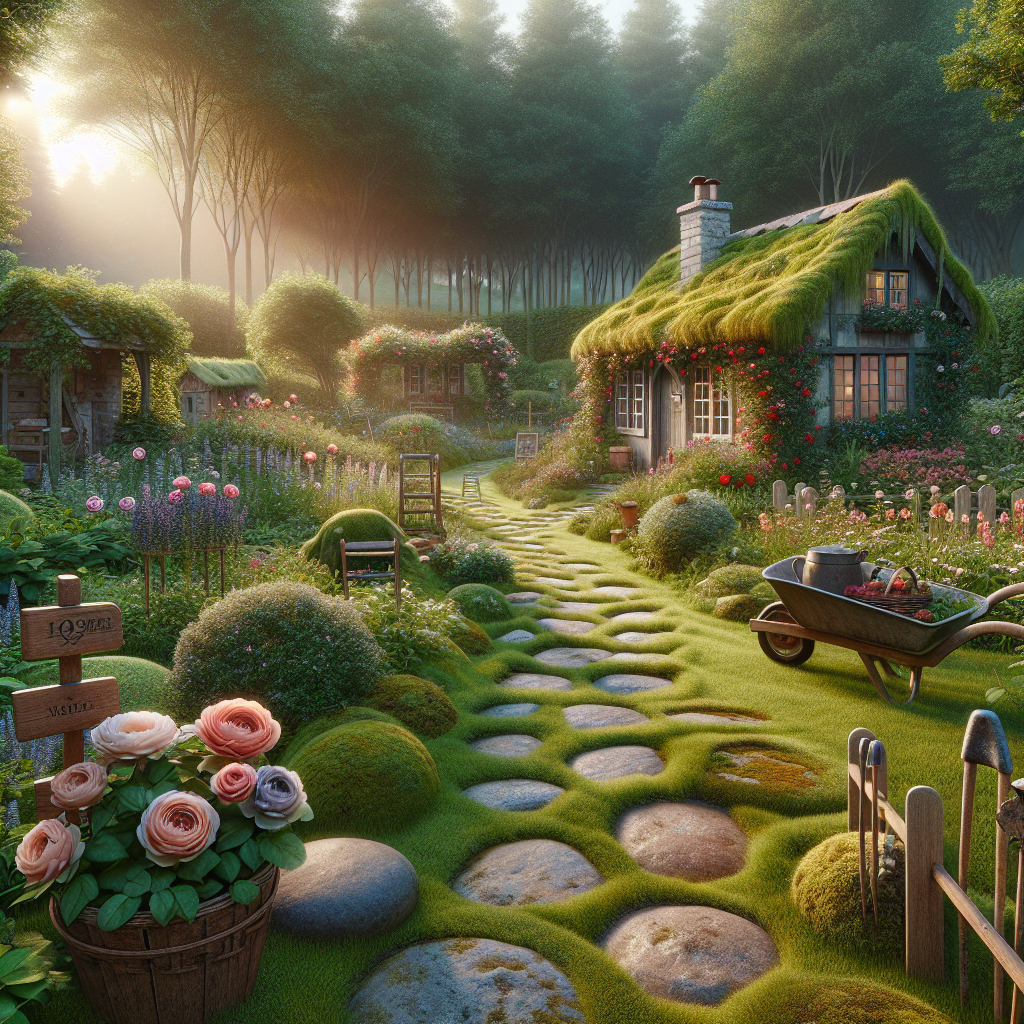
Cottage style gardens evoke a sense of nostalgia, warmth, and a deep connection with nature. Among the various elements that define these enchanting spaces, garden paths play a pivotal role. They guide visitors through dense greenery, showcase vibrant blooms, and create an inviting ambiance. In this article, we’ll explore the intriguing world of cottage style garden paths—answering essential questions while providing a comprehensive guide to designing and maintaining these whimsical thoroughfares.
What is a Cottage Style Garden?
Before delving into the specifics of garden paths, it’s essential to understand what characterizes a cottage style garden. Originating in rural England, these gardens embrace a natural and relaxed design that encourages an exuberant display of flowers, herbs, and vegetables. They often feature lush planting, meandering pathways, and traditional materials that harmonize with the surroundings.
Key Characteristics:
- Naturalistic Planting: Cottage gardens are filled with a diverse array of plants, including perennial flowers, climbing vines, and fragrant herbs.
- Informal Arrangement: Plants are often arranged in a haphazard yet deliberate manner. There’s no rigid order or symmetry; instead, beds are overflowing with textures and colors.
- Rustic Materials: Paths may be constructed from natural materials such as stone, gravel, or wood, further enhancing the garden’s charm.
The Role of Garden Paths in Cottage Gardens
Garden paths serve a multitude of purposes, both functional and aesthetic. They guide visitors through the space while also adding structure to the garden. The right path can turn a simple flower bed into a picturesque scene straight out of a fairytale.
Practical Functions:
- Navigation: Paths allow easy access to different sections of the garden.
- Maintenance: They keep the ground stable, enabling easier maintenance of plants and surrounding areas.
- Erosion Prevention: Paths can help prevent soil erosion, particularly in hilly gardens.
Aesthetic Contributions:
- Framing Views: A well-placed path can frame spectacular views or focal points, such as a beautifully arranged flowerbed or a tranquil seating area.
- Visual Interest: Different materials and designs create texture and depth.
- Inviting Atmosphere: Meandering paths encourage exploration and create an inviting ambiance.
Types of Cottage Style Garden Paths
When it comes to designing a cottage style garden path, variety is key. Let’s explore some popular types, materials, and their unique advantages.
1. Flagstone Paths
Flagstone paths consist of flat stones laid in irregular patterns. They offer a rustic charm and natural beauty that seamlessly blends with cottage gardens.
Advantages:
- Durability: Flagstones are robust and can withstand various weather conditions.
- Natural Look: Their irregularity offers a whimsical quality that complements the randomness of cottage gardens.
2. Gravel Paths
Gravel paths are an economical and versatile option. The crunch of gravel underfoot adds an auditory dimension to the garden experience.
Advantages:
- Easy Installation: Gravel paths are straightforward to install and can be customized in terms of shape and size.
- Good Drainage: Gravel provides excellent drainage, reducing muddy patches after rain.
3. Brick and Cobblestone Paths
Brick and cobblestones can lend a classic and elegant look to your garden. Arranged haphazardly or in a structured pattern, these paths can elevate the garden’s overall aesthetic.
Advantages:
- Timelessness: Brick and cobblestones have an enduring appeal that complements traditional cottage designs.
- Variety of Colors: These materials come in various colors, allowing for unique customization.
4. Wood Chip and Bark Mulch Paths
For a more organic feel, wood chips and bark mulch can create natural-looking paths. They provide a soft surface to walk on and blend beautifully with green surroundings.
Advantages:
- Cost-Effective: These materials are typically more affordable than stone or brick.
- Natural Decomposition: As they decompose, they enrich the soil.
5. Ruby or Perennial Edging
Incorporating a living edge—such as low-growing perennial flowers or herbs—can soften the look of any path. Common choices include thyme, chamomile, or creeping phlox.
Advantages:
- Low Maintenance: These plants require minimal care once established.
- Enhanced Charm: They add color and texture while providing additional fragrance.
Designing Your Cottage Style Garden Path
1. Layout and Shape
When crafting your garden path, consider the layout carefully. The most captivating paths are typically winding, with curves that entice exploration.
- Meandering Paths: Allow your path to flow naturally through planting beds, encouraging visitors to wander.
- S-Curves: Employ S-curves or gentle arcs to create interest and maintain a soft visual line.
2. Materials to Use
Choose materials that align with your vision and the overall aesthetics of your garden. Mixing materials can also yield fascinating results. For example, combining flagstone with gravel can create an enchanting texture.
3. Width and Scale
Paths in cottage gardens can vary in width, but they should generally be broad enough to allow comfortable passage.
- Footpaths: Standard paths should be at least 2-3 feet wide.
- Feature Paths: Wider paths can serve as special thoroughfares leading to focal points or seating areas.
4. Boundary and Edging
Creating boundaries for your path can enhance the overall appeal. Consider using bricks, stones, or living plants to visually separate paths from planting beds.
- Plant Edging: Herbs like lavender or low-growing flowers can provide a colorful boundary.
- Natural Stones: Using larger stones or boulders can add a more rugged, organic feel.
5. Integration with Other Features
Consider integrating your garden path with other features such as:
- Archways or Trellises: These can lead into areas of the garden while providing vertical interest.
- Seating Areas: Allow your path to lead visitors to benches or garden chairs, creating inviting spots to rest.
- Water Features: A pond or fountain can make for an enchanting focal point along your pathway.
Maintaining Your Cottage Style Garden Path
While the allure of a cottage garden path comes from its wild and whimsical design, some maintenance is essential to keep it looking its best.
1. Regular Cleaning
- Debris Removal: Routinely remove leaves, weeds, and debris. This not only keeps your path neat but also prevents unnecessary wear on the materials.
2. Weeding
- Weed Prevention: Regular weeding is crucial, as pathways can encourage weed growth, particularly if they have loosely packed materials.
- Mulch Application: A fresh layer of mulch can help suppress weeds while also enhancing the aesthetic.
3. Seasonal Assessment
- Winter Preparation: In colder regions, consider repairing any damage before winter, as ice and snow can exacerbate existing problems.
- Spring Refresh: Spring is the perfect time to assess your path and make necessary adjustments.
4. Repairs and Repairs
- Replacing Stones or Bricks: It’s essential to replace any worn or broken materials to maintain safety and aesthetics.
- Refilling Gravel: Top off your gravel every couple of years, as it can settle or wash away with rainfall.
Frequently Asked Questions (FAQs)
1. How do I choose the right materials for my cottage style garden path?
Choosing materials depends on your garden’s overall theme, budget, and personal preferences. Consider durability, maintenance, and visual appeal while weighing options. For a classic cottage feel, natural stones or bricks are excellent choices.
2. Can I include plants in my garden path?
Yes! Incorporating low-growing plants along the edge of pathways can add color, fragrance, and texture. Just be sure that they do not overgrow the path, making it difficult to traverse.
3. What is the best width for a garden path?
The ideal width for a garden path is 2-3 feet, providing enough space for comfortable walking. If you anticipate heavier foot traffic or want to accommodate two people, consider making it wider.
4. How can I prevent weeds from growing in my gravel path?
To minimize weeds in gravel paths, use a landscaping fabric underneath the gravel to block light and prevent weed growth. Additionally, applying a layer of mulch can hinder their development.
5. How do I ensure good drainage along my garden path?
To promote drainage, ensure your path slopes slightly away from any structures like homes or sheds. Moreover, consider using permeable materials like gravel to allow water to disperse naturally.
6. Can I DIY my cottage style garden path?
Absolutely! Many cottage garden paths are manageable as DIY projects. Depending on your skill level, you can source materials and design your pathway or hire professionals for more extensive layouts.
Conclusion
Cottage style garden paths serve as a delightful addition to any garden, inviting exploration while enriching the overall aesthetic. By understanding their functions, types, and design principles, you can create a charming passage that enhances the natural beauty of your garden.
Whether you opt for rustic flagstone, charming gravel, or elegant bricks, remember that the journey along the path should be as enchanting as the destination. So grab your gardening tools, unleash your creativity, and let your path take the form of a winding journey through your own slice of paradise! Embrace the joy of gardening while crafting an alluring pathway that captures the true essence of cottage living, and allow it to transform your outdoor space into a relaxing haven brimming with character and charm.