
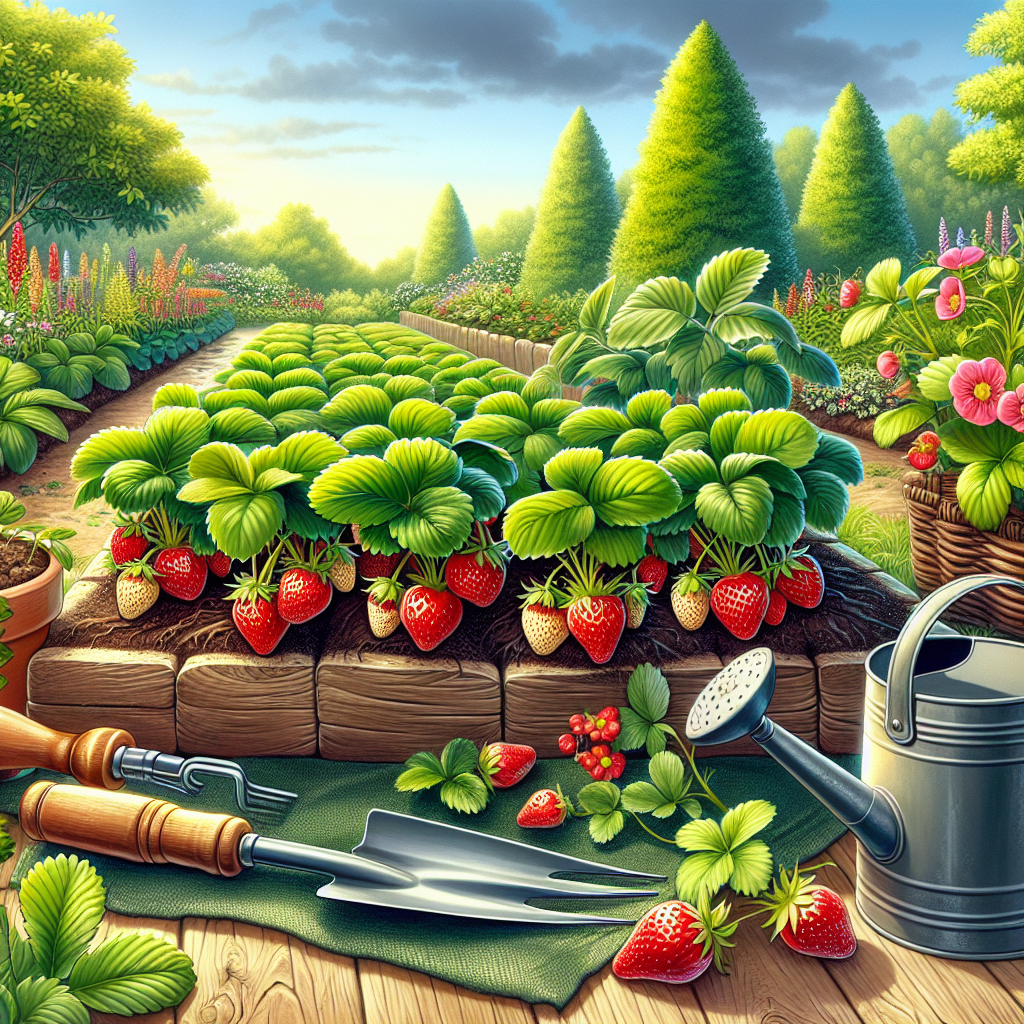
Strawberries are among the most beloved fruits globally, not only for their delectable flavor but also for their versatility in the kitchen. Rich in vitamins, antioxidants, and flavors, strawberries can enhance a variety of dishes or simply be enjoyed fresh from the garden. If you’re a gardener residing in USDA hardiness zone 9, you’re in luck! This region offers an ideal climate for growing strawberries, which can be planted multiple times during the year. In this comprehensive guide, we’ll explore when to plant strawberries in Zone 9 and answer common questions about growing this delightful fruit.
Understanding Zone 9
Before we dive into the specifics of strawberry planting, let’s get acquainted with USDA Hardiness Zone 9. This zone generally experiences mild winters and warm to hot summers, with temperate conditions ideal for a variety of fruits and vegetables. According to the USDA, Zone 9 typically has a minimum temperature range between 20°F and 30°F (-6°C to -1°C). The extended growing season allows for the cultivation of strawberries in different periods of the year, making it a popular choice among home gardeners.
What Makes Zone 9 Special for Strawberries?
In Zone 9, strawberries thrive due to:
- Extended Growing Season: With a growing season that can last from early spring through late fall, gardeners have ample opportunities to grow multiple strawberry crops.
- Mild Winters: Most strawberry varieties can survive the mild winters of Zone 9, allowing for early planting and cropping.
- Variety in Strawberry Types: Zone 9 accommodates both June-bearing and ever-bearing varieties, giving gardeners flexibility in choosing strawberries based on their preferences.
When to Plant Strawberries in Zone 9
Ideal Planting Times
The timing of planting strawberries depends on the type of strawberry you choose:
-
June-Bearing Strawberries:
- Best Planting Time: Plant in late fall (October to December) or early spring (January to March).
- Why Plant in Fall? Late fall planting allows the plants to establish root systems before the winter chill, leading to earlier fruiting in the following spring.
-
Ever-Bearing Strawberries:
- Best Planting Time: Plant in early spring (March to April) or late summer (August to September).
- Early Spring Planting: Ever-bearing strawberries quickly produce fruit throughout the growing season if planted early.
- Late Summer Planting: Those planted in the late summer will produce a harvest in the fall and again in the following spring.
-
Day-Neutral Strawberries:
- Best Planting Time: Similar to ever-bearing strawberries, these can also be planted in early spring (March to April) or late summer (August to September).
- Consistency in Harvest: Day-neutral plants produce fruit throughout the growing season, giving gardeners a continuous harvest.
Understanding the Weather Conditions
For successful strawberry cultivation, it’s essential to monitor weather conditions. While Zone 9 offers a favorable growing environment, fluctuations can occur. Key points to remember:
- Frost Awareness: Though Zone 9 experiences mild winters, frost can still occur, particularly in late winter or early spring. Be prepared to cover your plants during frosty nights.
- Soil Temperature: Strawberries prefer soil temperatures between 60°F and 75°F (15°C to 24°C). When preparing to plant in spring, ensure that soil temperatures have warmed sufficiently.
Preparing to Plant: Soil and Location
Choosing the Right Location
Strawberries flourish under specific conditions. Here’s what you should consider when selecting a planting site:
- Sunlight: Ensure your strawberry patch receives at least 6 to 8 hours of full sunlight per day. This will boost productivity and flavor.
- Drainage: Strawberries dislike soggy roots. Choose a well-draining area to prevent waterlogging, which can lead to rot.
- Space: Allow adequate spacing between plants (12 to 18 inches) to ensure good air circulation and reduce disease risk.
Preparing the Soil
Soil preparation is vital for healthy strawberry plants:
- Testing pH Levels: Strawberries thrive in slightly acidic soil (pH 5.5 to 6.5). Conduct a soil test to determine acidity, and amend it accordingly with sulfur or lime.
- Organic Matter: Incorporate compost or well-rotted manure into the soil to enhance fertility, moisture retention, and drainage.
- Weed Control: Before planting, remove existing weeds to minimize competition for nutrients.
How to Plant Strawberries
Planting Techniques
Once you’ve chosen the right location and prepared the soil, it’s time to plant your strawberries:
-
Planting Bare-Root Strawberry Plants:
- Soak the roots in water for a few hours before planting.
- Dig a hole wide enough to accommodate the root system without bending it.
- Position the plant’s crown (where the roots meet the stem) level with the soil surface and backfill the hole gently.
-
Planting Strawberry Plants in Containers:
- Choose containers with drainage holes and fill with a high-quality potting mix.
- Plant bare-root plants as you would in the ground, maintaining the same soil level at the crown.
-
Mulching: After planting, apply a 2- to 4-inch layer of mulch around the plants. This conserves moisture, keeps the soil temperature stable, and suppresses weeds.
What’s Next After Planting?
After planting, it’s crucial to monitor your strawberries:
- Watering: Regular watering is essential, especially during dry spells. Keep the soil evenly moist, but avoid over-watering.
- Fertilizing: Begin fertilizing about four weeks after planting. Use a balanced fertilizer like a 10-10-10 NPK ratio or organic fertilizers like fish emulsion.
- Pest and Disease Management: Watch for signs of pests such as aphids or spider mites, and employ organic control measures as needed. Crop rotation and good air circulation can help mitigate diseases.
Frequently Asked Questions
How Long Does it Take for Strawberries to Produce Fruit in Zone 9?
The time from planting to harvest varies with strawberry type:
- June-Bearing: 4 to 6 weeks after the flowering stage.
- Ever-Bearing and Day-Neutral: Can produce fruit within a month of flowering and continue through the season.
How Do I Extend the Harvest Season for Strawberries?
- Planting Varieties: By planting both June-bearing and ever-bearing varieties, you can enjoy strawberries from spring through fall.
- Seasonal Care: Using row covers in cooler months and extending irrigation during dry weather will promote earlier blooms and fruit set.
Can I Grow Strawberries in Containers in Zone 9?
Absolutely! Container gardening is highly suitable for strawberries, especially in limited space or for aesthetic purposes. Use hanging baskets for an eye-catching display and ensure proper drainage.
How Do I Protect My Strawberries from Pests and Diseases?
Consider natural pest control measures like introducing beneficial insects like ladybugs. Employ crop rotation, maintain proper spacing for air flow, and regularly check for early signs of disease or pest infestation.
Is It Possible to Overwinter Strawberries in Zone 9?
Yes, strawberries can overwinter in Zone 9, but it’s essential to mulch heavily and protect them from any unexpected frosts, especially in the early spring.
Harvesting Strawberries
Once your strawberries begin to bear fruit, harvesting becomes a delightful and rewarding process. Here are the key points to ensure you get the best from your harvest:
- Timing: Harvest strawberries when they’re fully ripe. Look for a bright redness; berries will not continue ripening once picked.
- Technique: Gently twist or cut the stem above the berry to avoid damaging the plant.
- Storage: Store fresh strawberries in the refrigerator for up to a week. Consider making jams or freezing for later use.
Conclusion
Growing strawberries in Zone 9 can be an incredibly rewarding venture for both novice and seasoned gardeners. With the right knowledge about planting times, preparation, and care, you can enjoy a bountiful harvest of juicy, vibrant strawberries. As you embark on this gardening journey, don’t forget to share your passion with family and friends—nothing beats the taste of freshly picked strawberries enjoyed at a summer picnic!
As strawberry season approaches, remember, the beauty of gardening is not just in the fruits we harvest but also in the journey of cultivation, connection with nature, and growth—both as gardeners and as delicious, red fruits. So, roll up your sleeves, get your hands dirty, and relish in the delightful experience of growing strawberries in Zone 9!