
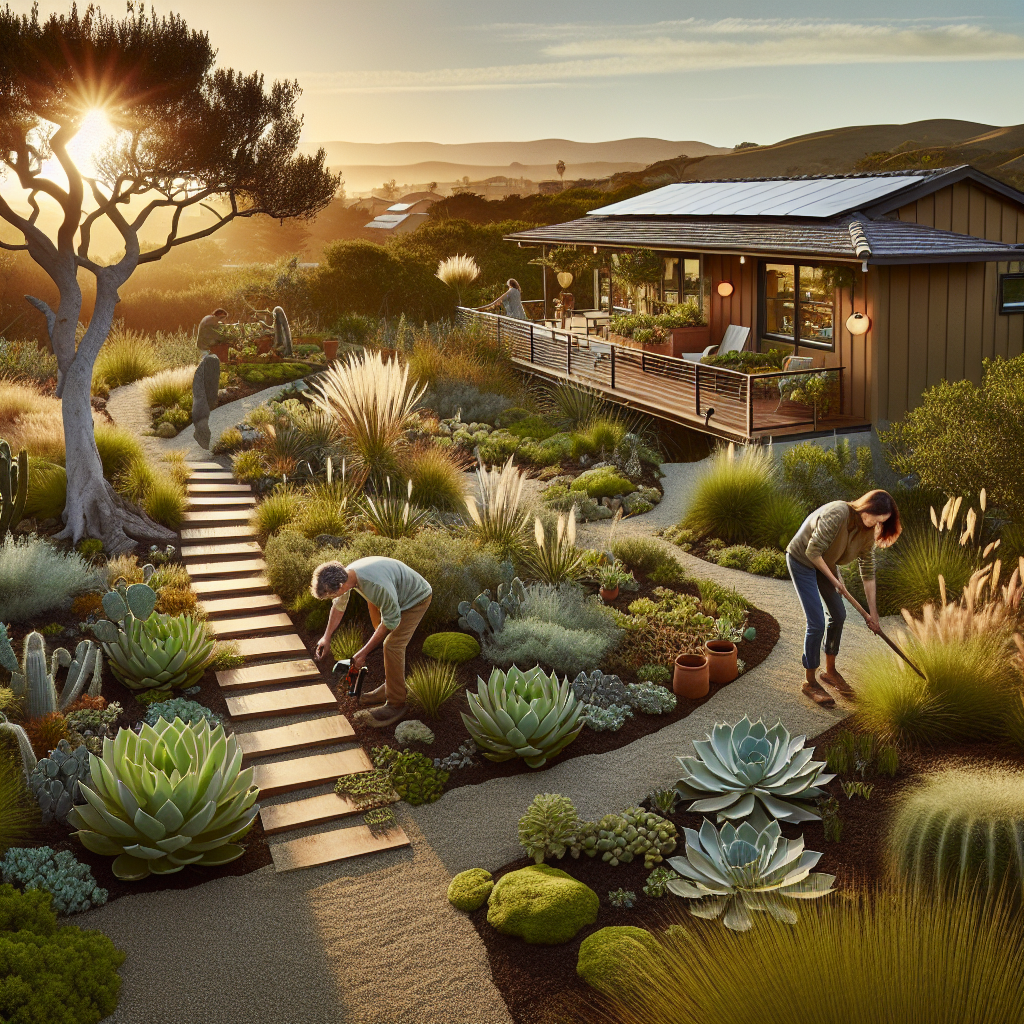
As climate change accelerates, California’s water crisis has taken center stage. The state has experienced recurring droughts, prompting a necessity for sustainable landscaping solutions. Drought-tolerant gardens emerge as a practical and aesthetically pleasing solution that conserves water while adding beauty to residential and commercial properties. This article explores the principles, benefits, and design elements of drought-tolerant gardening and addresses common questions that arise for those considering this sustainable approach.
The Importance of Drought-Tolerant Gardens
Why Are Drought-Tolerant Gardens Necessary?
California’s climate is characterized by warm, dry summers and mild, wet winters. This climate makes it prone to drought, which can stress local water supplies. Here are a few reasons why drought-tolerant gardens are vital:
-
Water Conservation: As traditional lawns can require considerable water, transitioning to drought-tolerant landscapes helps conserve this precious resource.
-
Biodiversity: Drought-resistant plants can support local wildlife, including pollinators that are instrumental in maintaining ecosystems.
-
Cost-Effectiveness: Reduced water usage translates to lower utility bills. Many homeowners have noted significant savings after switching to drought-tolerant plants.
-
Environmental Resilience: Drought-tolerant gardens can mitigate the impact of extreme weather by improving soil quality, reducing runoff, and decreasing the carbon footprint.
How Much Water Can You Save?
A traditional lawn can consume up to 1,500 gallons of water per week in the summer. In contrast, a properly designed drought-tolerant garden may need as little as 1-2 inches of water per year, depending on the plant selection. This can lead to dramatic reductions in water use, saving thousands of gallons over time.
Designing a Drought-Tolerant Garden
What are the Key Principles?
1. Selecting the Right Plants
Choose native and drought-resistant species that are adapted to California’s climate. Native plants generally require less water and maintenance once established.
Some popular drought-tolerant plants include:
- California Poppy (Eschscholzia californica): The state flower, known for its vibrant orange blooms.
- Lavender (Lavandula): Not only drought-resistant but also attracts pollinators like bees and butterflies.
- Agave: This succulent is both hardy and an architectural delight in the garden.
- Salvia: Various species of this plant are both drought-tolerant and highly fragrant.
2. Improving Soil Quality
Proper soil composition plays a crucial role in water retention and drainage. Incorporate organic matter such as compost to improve soil structure, enhance moisture retention, and provide essential nutrients.
3. Efficient Irrigation Techniques
Utilize drip irrigation systems or soaker hoses to minimize water waste. Installing timers ensures that plants receive the right amount of water without over-watering, which helps in conserving resources.
4. Mulching
A layer of organic mulch helps maintain soil moisture, reduces evaporation, and prevents weed growth. This is especially important in hot climates where soil can dry out quickly.
5. Design for Microclimates
Understanding the different microclimates within your garden—areas that receive varying amounts of sunlight, shade, and wind—can help you decide where to plant certain species.
What Factors Should You Consider?
1. Sunlight Exposure: Assess how much sunlight different areas of your yard receive throughout the day, which will influence your plant choices.
2. Space and Scale: Consider the size of your garden. Smaller spaces can benefit from vertical gardening techniques using trellises or wall planters.
3. Maintenance Level: If you prefer a low-maintenance garden, opt for plants that are both robust and low-care.
4. Seasonal Interest: Choose a variety of plants that provide visual interest throughout the different seasons. Grasses, flowering perennials, and succulents can be arranged to create dynamic aesthetics year-round.
Benefits of Drought-Tolerant Gardens
Do Drought-Tolerant Gardens Enhance Aesthetics?
Absolutely! Contrary to the stereotype that drought-tolerant gardens are barren and lifeless, they can be lush and vibrant. Including a variety of colors, textures, and shapes can create a visually stunning landscape.
1. Seasonal Blooms: Choose plants that bloom at different times of the year to ensure your garden is always in full color.
2. Use of Hardscaping: Incorporate elements such as boulders, stone pathways, or gravel to enhance texture and visual appeal while requiring little to no water.
Are They Environmentally Friendly?
Drought-tolerant gardens foster an eco-friendly lifestyle by promoting biodiversity and supporting local flora and fauna.
-
Less Pesticide Use: Native plants often require fewer chemical interventions, which leads to a healthier environment.
-
Wildlife Habitat: Incorporating native plants can attract beneficial insects, birds, and other wildlife, enhancing local ecosystems.
What About Property Value?
Investing in a drought-tolerant garden can also boost property value. With growing awareness about water conservation, potential buyers may find a carefully curated landscape more appealing.
Frequently Asked Questions
How Long Does It Take for a Drought-Tolerant Garden to Establish?
While the establishment period can vary by plant type and climate, most drought-tolerant plants typically require regular watering for the first year. After this initial period, they usually become self-sufficient and require minimal maintenance.
Can I Transition an Existing Lawn to a Drought-Tolerant Garden?
Yes! Transitioning is feasible and can be done in several ways:
- Removal: Kill the existing grass using environmentally friendly herbicides or solarization methods, which involve covering the grass with plastic to heat it.
- Layering: In some cases, you can layer soil and mulch over the existing grass, planting drought-tolerant species directly into the new medium.
Is It True That Drought-Tolerant Gardens Are More Expensive to Install?
The initial cost of establishing a drought-tolerant garden can be similar or slightly higher than traditional gardens due to the need for soil amendments and high-quality plants. However, the long-term benefits—such as lower maintenance and water bills—often lead to significant savings.
How Do I Maintain My Drought-Tolerant Garden?
Maintenance may include:
- Watering: Initially provide supplemental water until plants are established. Afterward, only water during extreme drought.
- Pruning: Trimming dead or overgrown parts helps keep plants healthy.
- Monitoring: Keep an eye out for pests or diseases, though native plants are typically more resilient.
What Role Does Color Play in Drought-Tolerant Gardens?
Color can dramatically influence the mood and feel of your garden. Utilizing a combination of blooming plants, evergreen foliage, and ornamental grasses can add richness and vibrancy.
Overcoming Challenges
Common Myths
Myth: Drought-tolerant gardens are dull and lack color.
- Reality: With careful selection and arrangement, these gardens can be as colorful and visually appealing as traditional ones.
Myth: Drought-tolerant plants will die during extreme heat.
- Reality: While all plants can suffer during intense heat, established drought-tolerant plants have adapted to withstand such conditions.
Water Restrictions
California often faces strict water restrictions during prolonged drought. Drought-tolerant gardens help residents comply with these regulations while ensuring their landscapes thrive.
Climate Change Adaptation
As climate change continues to alter precipitation patterns, drought-tolerant gardening not only reflects a response to current conditions but also builds resilience for the future, adapting to potential longer and more severe droughts.
Conclusion
Creating a drought-tolerant garden in California is a sustainable, beneficial, and aesthetically pleasing endeavor. The practice conserves water, enhances biodiversity, and improves property appearance while lowering maintenance costs. By understanding the principles of design, plant selection, and soil management, anyone can cultivate a vibrant, drought-tolerant landscape.
As we continue to navigate the challenges of climate change and water scarcity, these gardens serve not just as beautiful outdoor spaces but as important symbols of resilience and adaptability. The choice to transform your yard into a drought-tolerant garden is not only a personal investment but also a commitment to a sustainable future.
Whether you’re a seasoned gardener or a newcomer, embracing the art and science of drought-tolerant gardening can provide a rewarding experience and contribute positively to California’s environmental wellbeing. So get sowing and reap the benefits of a flourishing, drought-resistant landscape!