
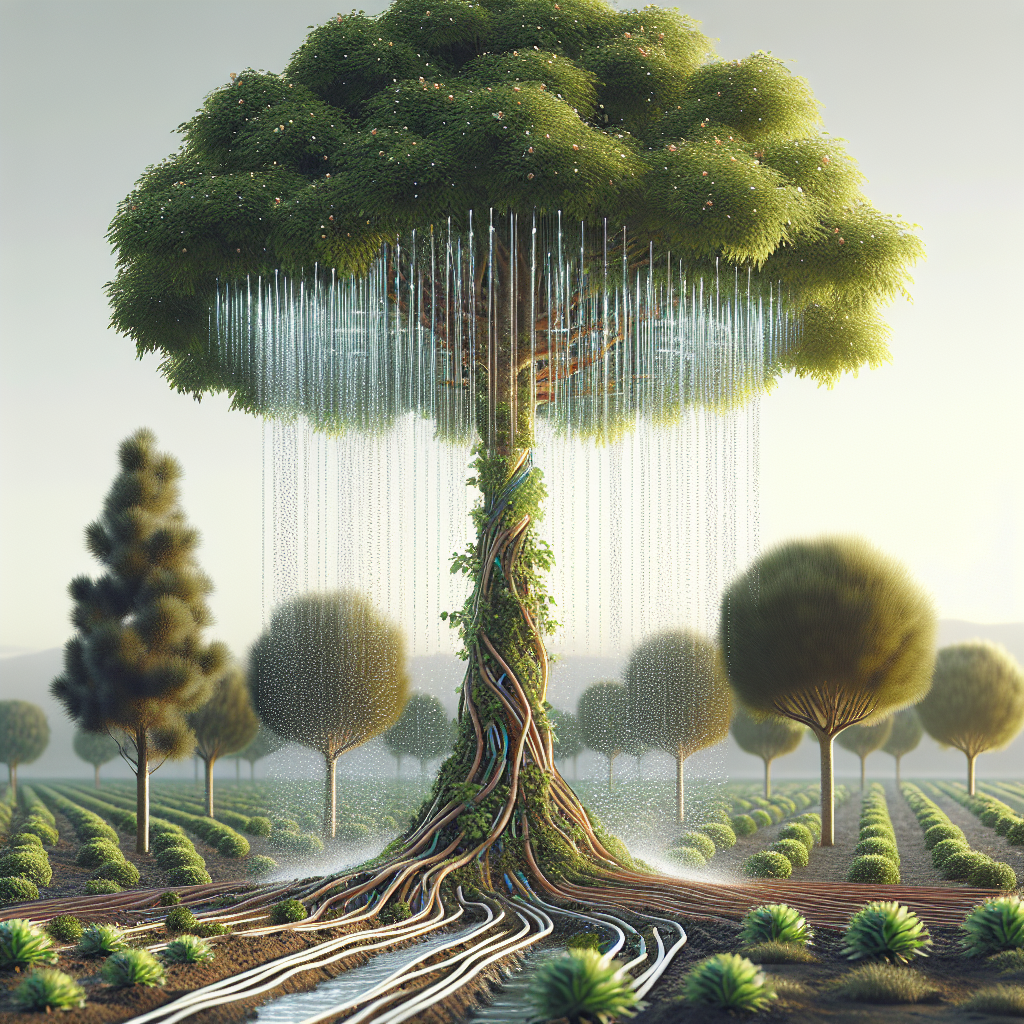
Drip irrigation is a revolutionary approach to watering that has gained immense popularity over the last few decades, especially for agricultural practices and landscaping. This method provides numerous advantages over traditional watering techniques, particularly when it comes to nurturing trees. In this article, we’ll delve into the intricacies of drip irrigation for trees, addressing common questions and exploring its benefits in detail.
What is Drip Irrigation?
Drip irrigation is a method that delivers water directly to the base of plants and trees through a network of pipes, valves, tubing, and emitters. By releasing water slowly and directly, drip irrigation minimizes evaporation and runoff, ensuring that trees receive a consistent supply of moisture.
The Components of Drip Irrigation Systems
- Mainline: The primary pipeline that carries water from the source to the sub-main lines.
- Sub-main line: Secondary pipelines that distribute water to various parts of the irrigation system.
- Emitters: Devices that release water in a controlled manner, measured in gallons per hour (GPH).
- Drip Tape: A more flexible version of the tube that may contain small holes, often used for row crops.
- Fertilizer Injector: Allows for nutrient delivery through the irrigation system.
- Filter: Cleans the water to prevent clogging in the system.
Why Choose Drip Irrigation for Trees?
Tree health and growth can dramatically improve with the adoption of drip irrigation. Let’s explore some of the most compelling reasons to utilize this method.
1. Water Conservation
Water is an increasingly precious resource, and drip irrigation effectively conserves it. Traditional watering methods, such as sprinklers or hose watering, often result in significant water loss due to evaporation, overspray, or deep percolation below the root zone. Drip irrigation targets the roots directly, reducing water waste and ensuring that every drop counts.
2. Efficient Nutrient Delivery
Water is not the only essential component for growth; trees also require nutrients. Using a drip irrigation system can allow for simultaneous fertilization. The application of fertilizers through the irrigation system – known as fertigation – ensures that nutrients are delivered directly to the root zone where they are most needed.
3. Reduced Disease Pressure
Overwatering can lead to root rot and other diseases. Traditional methods can saturate the soil, creating an environment ripe for fungal growth. By delivering water directly to the root zone and maintaining optimal moisture levels, drip irrigation minimizes excess moisture in the soil, reducing the likelihood of disease.
4. Uniform Water Distribution
Drip irrigation systems are designed to distribute water evenly throughout the landscape. Trees that receive a consistent and adequate water supply are more likely to thrive, display better growth, and produce healthy foliage and fruit.
5. Soil Erosion Prevention
When water is delivered in a concentrated form, as with traditional methods, the force of the water can cause soil erosion. Drip irrigation reduces this risk by minimizing runoff, helping to maintain the integrity of the soil.
6. Versatility and Adaptability
Drip irrigation can be adapted for various types of trees, irrespective of their age or size. It’s particularly beneficial for young trees that need a lot of care and attention to establish healthy root systems.
Common Questions About Drip Irrigation for Trees
Q1: How Deep Should I Water Trees Using Drip Irrigation?
For most trees, watering should penetrate the top 12 to 18 inches of soil, which is where most of the roots are located. The emitter’s flow rate and the duration you leave the system on will determine how deep the water penetrates.
Q2: How Often Should I Water Trees with Drip Irrigation?
The frequency of watering will vary based on tree species, soil type, age of the tree, and prevailing weather conditions. A newly planted tree may require watering once or twice a week, while mature trees may only need watering every couple of weeks during dry seasons. Soil moisture sensors can help determine optimal watering times.
Q3: Can I Use Drip Irrigation for All Types of Trees?
Yes, drip irrigation can be utilized effectively for virtually all tree species, from fruit trees and ornamental trees to nut trees and shade trees. However, it’s essential to adjust the flow rate of the emitters based on the water needs of specific trees.
Q4: What is the Best Time to Water Trees with Drip Irrigation?
Early morning is often the best time to water trees, as it allows moisture to soak into the ground before the heat of the day causes evaporation. Evening watering is also acceptable but should be done early enough to allow foliage to dry before nightfall to prevent fungal diseases.
Q5: How Do I Install a Drip Irrigation System for Trees?
Installing a drip irrigation system is relatively straightforward but may require the following steps:
-
Planning: Assess your landscape and water requirements. Create a design that distributes water evenly to all trees.
-
Gather Materials: Purchase the necessary components, including mainlines, emitters, and connectors.
-
Install Mainlines: Lay out the mainline and sub-main lines across the area.
-
Attach Emitters: Attach emitters at appropriate distances from each tree based on its water needs.
-
Testing: Run the system to check for leaks, flow rates, and even distribution.
-
Adjustments: Make any necessary adjustments to optimize the system.
Q6: What Maintenance is Required for Drip Irrigation Systems?
Regular maintenance is essential for drip irrigation systems to work effectively. Here are some tips:
- Check for Clogs: Periodically inspect emitters for clogs, which can be caused by mineral buildup or debris.
- Clean Filters: Regularly clean or replace filters to maintain water quality.
- Inspect Hoses and Tubing: Look for cracks, leaks, or signs of wear and tear.
- Adjust Emitters: Adjust emitter output periodically based on tree growth and changing water needs.
Economic Considerations of Drip Irrigation
While the initial investment in a drip irrigation system may seem significant, the long-term savings often outweigh the setup costs. Consider the following:
1. Reduced Water Bills
Water conservation reduces utility costs. Homeowners and agriculturalists alike can see significant savings due to the efficient use of water.
2. Labor Savings
Drip irrigation systems can automate watering processes. With timers and sensors, you can save manpower and time that can be redirected to other tasks.
3. Better Crop Yields
Trees that receive consistent moisture are more likely to yield abundant fruit or flowers, further enhancing the return on investment.
4. Longer Lifespan for Trees
By ensuring proper hydration and nutrient delivery, drip irrigation can encourage longer lifespans for trees, reducing replacement costs over time.
Environmental Impact of Drip Irrigation
Adopting drip irrigation has notable positive ramifications for the environment:
1. Decreased Dependency on Groundwater
By minimizing water waste, less groundwater is extracted to meet irrigation needs. This helps maintain ecosystem balance and protects aquifers.
2. Reduction in Chemical Runoff
The precision of drip irrigation minimizes chemical runoff since fertilizers and pesticides can be injected directly into the irrigation system. This reduces the contamination of nearby water bodies.
3. Improved Soil Health
Drip irrigation encourages healthy soil microbiology by maintaining optimal moisture levels and reducing erosion. This can lead to rich, fertile soil that supports broader biodiversity.
Conclusion
Drip irrigation enhances tree health, growth, and productivity while offering substantial water conservation, cost savings, and environmental benefits. As climate change continues to challenge traditional farming and landscaping practices, adopting innovative methods like drip irrigation is essential for sustainable tree care and management. Whether you’re a home gardener, a commercial grower, or a landscape designer, implementing a drip irrigation system is a step towards a more sustainable and productive future for trees.
Incorporating this system not only ensures the vitality of existing trees but also contributes to a greener planet by preserving water resources and promoting healthier ecosystems. With continuous advancements in technology and materials, the future of drip irrigation is bright and holds immense promise for tree cultivation in an ever-changing environment. By taking the plunge into drip irrigation, you are not just investing in your trees; you’re investing in a more sustainable and prosperous future for our planet.