
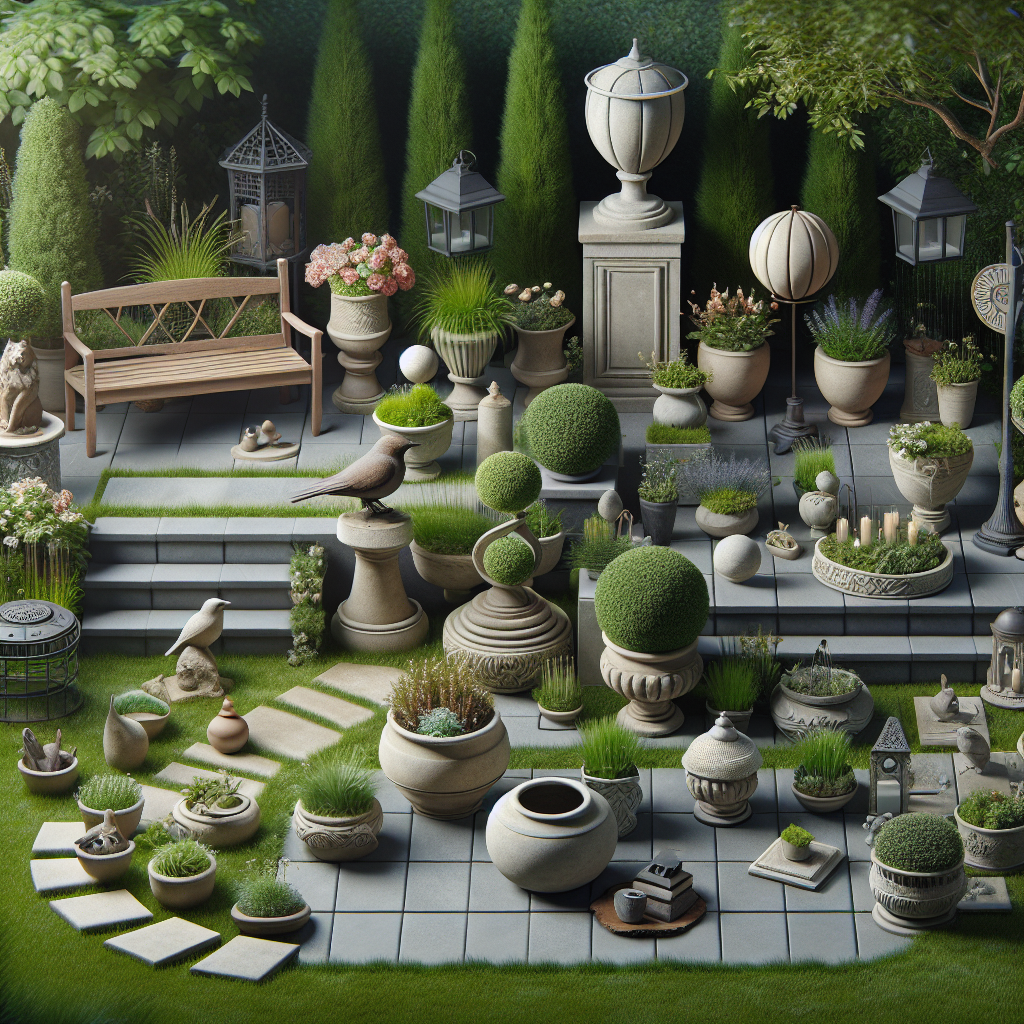
Gardens are often considered a sanctuary away from the chaos of everyday life, a place where nature’s beauty parallels human creativity. Over the years, concrete has emerged as a popular material among garden enthusiasts, offering a blend of durability, versatility, and aesthetic appeal. In this article, we will explore the myriad ways to incorporate concrete into your garden decor, answering frequently asked questions and providing expert tips to inspire your design vision.
Why Choose Concrete for Garden Decor?
Durability and Longevity
Concrete is known for its strength and longevity. Unlike wood, which may rot, or plastic, which can fade and crack, concrete can withstand harsh weather conditions, making it ideal for outdoor use. When properly sealed, it can resist stains and moisture, ensuring that your garden decor remains looking fresh for years to come.
Versatile Aesthetic Options
Concrete can be molded into countless shapes and sizes, allowing for unique and creative designs. While some may find concrete to be overly industrial, it can be finished using various techniques (such as staining, polishing, or painting) to achieve a softer, more organic look. This versatility allows it to seamlessly integrate into diverse garden themes, from minimalist and modern to rustic and traditional.
Eco-Friendly Advantages
Concrete can also be an eco-friendly choice. Many concrete products are made with recycled materials, and the longevity of concrete means less frequent replacements. By choosing concrete decor, you may reduce the environmental impact often associated with more disposable decor options.
Low Maintenance
Concrete decor typically requires minimal upkeep. Once installed and sealed, it is resistant to pests, decay, and many environmental factors, making it a hassle-free option compared to other materials.
Concrete Garden Decor Ideas
1. Concrete Planters: Adding Character and Charm
What are Concrete Planters?
Concrete planters are pots or containers made from concrete, designed to hold plants. They come in various sizes and shapes, suitable for both indoor and outdoor settings.
How to Use:
- Grouping: Use a variety of concrete planters in differing sizes to create a visually enjoyable cluster. You can mix in other materials like wood or ceramic to enhance the look.
- Plant Selection: Cacti, succulents, and herbs flourish in concrete planters, as these plants typically prefer well-draining soil.
DIY Option: For those who enjoy crafting, concrete planters can be made at home using simple molds.
2. Concrete Garden Pathways: Function Meets Art
Why Consider Concrete Pathways?
Creating a pathway in your garden is essential for navigating and enhancing the structure of your outdoor space. Concrete can lend a modern, sleek look or a rustic charm, depending on your design.
How to Design:
- Geometric Patterns: Use concrete pavers in varying sizes to create a unique pattern, breaking the monotony of straight lines.
- Stained Concrete: Experiment with staining techniques to achieve earthy tones or vibrant colors reflecting the surrounding flora.
Pro Tip: Add stepping stones amidst the grass or mulch for an inviting and whimsical touch.
3. Concrete Garden Benches: Comfort and Style
What are Concrete Benches?
Concrete benches are outdoor seating solutions made primarily from concrete that can remain fixed in place or be movable.
Where to Place:
- In The Shade: Position benches under trees or near a gazebo to create a shaded retreat.
- Along Pathways: Place benches along walking paths for wandering guests to stop and enjoy the scenery.
Customization Options: Consider having decorative patterns or integrated planter boxes designed into the bench for added greenery.
4. Decorative Concrete Sculptures: Art in Nature
What Are Concrete Sculptures?
Concrete sculptures can range from abstract art pieces to animal figures, adding a unique artistic element to your garden.
Choosing the Right Sculpture:
- Nature-Inspired Designs: Consider sculptures that reflect botanical themes, such as flowers, leaves, or animals, for a harmonious blend with your garden.
- Size Matters: Large sculptures can serve as focal points, while smaller ones can enhance a particular nook or corner.
DIY Tip: Create your sculptures using molds or by sculpting by hand.
5. Concrete Fire Pits: Making Memories Outdoors
Why Choose Concrete Fire Pits?
A concrete fire pit can become the heart of your garden, providing warmth and ambiance for gatherings.
Design Ideas:
- In-ground vs. Above Ground: Decide whether you want a built-in fire pit in the ground or a raised one that can serve as additional seating.
- Seating Arrangement: Arrange concrete benches around the fire pit to provide a cozy gathering space.
Safety Considerations: Always ensure ventilation and adhere to local regulations related to outdoor fire pits.
6. Concrete Water Features: Instilling Serenity
What Are Concrete Water Features?
Concrete can create a wide variety of water features, including ponds, fountains, and birdbaths.
Design Concepts:
- Fountains: Incorporate multi-tiered fountains for a calming sound and visual appeal.
- Reflecting Pools: A simple, sleek concrete pool can create a stunning mirror effect, reflecting the surrounding greenery.
Tips for Success: Consider how the water feature will make the space feel and integrate with the overall design.
7. Concrete Edging: Defining Your Garden Areas
What Is Concrete Edging?
Concrete edging is used to define garden beds, pathways, and lawns, providing a clean and professional finish to your garden layout.
Installation Options:
- Curved Edges: Use flexible concrete types or smaller blocks to create curved lines that contour to your garden’s natural shapes.
- Integrated Lighting: Consider embedding solar lights into your concrete edging for nighttime visibility and atmosphere.
Frequently Asked Questions
1. How can I customize my concrete garden decor?
Customizing concrete decor is possible through staining, painting, or adding textures. Molds can be used to create specific shapes, and you can embed materials like glass or tiles into the wet concrete to achieve a unique finish.
2. Is concrete garden decor heavy and difficult to move?
Yes, one of the significant characteristics of concrete is its weight. When designing your garden, consider whether you’ll want to rearrange decor items in the future. If mobility is crucial, you may want to explore lighter materials or smaller concrete accents.
3. How do I ensure my concrete decor withstands the elements?
To enhance resilience, always use a quality concrete mix and sealant. Applying a stain or sealant specifically designed for outdoor use can help prevent cracks, stains, and moisture infiltration.
4. How do I care for concrete decorations?
Maintaining concrete decor typically involves occasional cleaning with soap and water and periodic reapplication of sealant to ensure longevity. After heavy storms or snowfall, check for signs of damage and address issues promptly.
5. Can I create DIY concrete decor without professional help?
Absolutely! With the right materials and guidance, beginner crafters can experiment with concrete. Online tutorials and workshops often offer step-by-step guidance for creating popular items like planters or garden sculptures.
6. Can concrete decor fit into my chosen garden theme?
Yes! Concrete can be adapted to match a variety of themes. By considering colors, shapes, and finishes, you can harmonize concrete decor with a rustic, modern, traditional, or whimsical garden style.
Bringing It All Together
Integrating concrete decor into your garden offers an array of benefits—from durability and low maintenance to endless customization options. By exploring the various options delineated in this article, you can create a garden that is not only visually stunning but also a true reflection of your style.
Final Thoughts
As you embark on your journey to build or renovate your outdoor space, remember that concrete can be a powerful ally in your design. Whether it’s the centerpiece of your garden pathway, a striking sculpture, or functional furniture, concrete enables essential design elements that are meant to endure through seasons and trends alike.
Incorporating concrete into your garden is not merely about aesthetics; it’s about creating an atmosphere that is inviting, sustainable, and uniquely yours. As your garden grows and evolves over time, your concrete decor can serve as a testament to your creativity and passion for the outdoor space you cherish. So, roll up your sleeves, unleash your creativity, and watch your garden transform into a captivating retreat.