
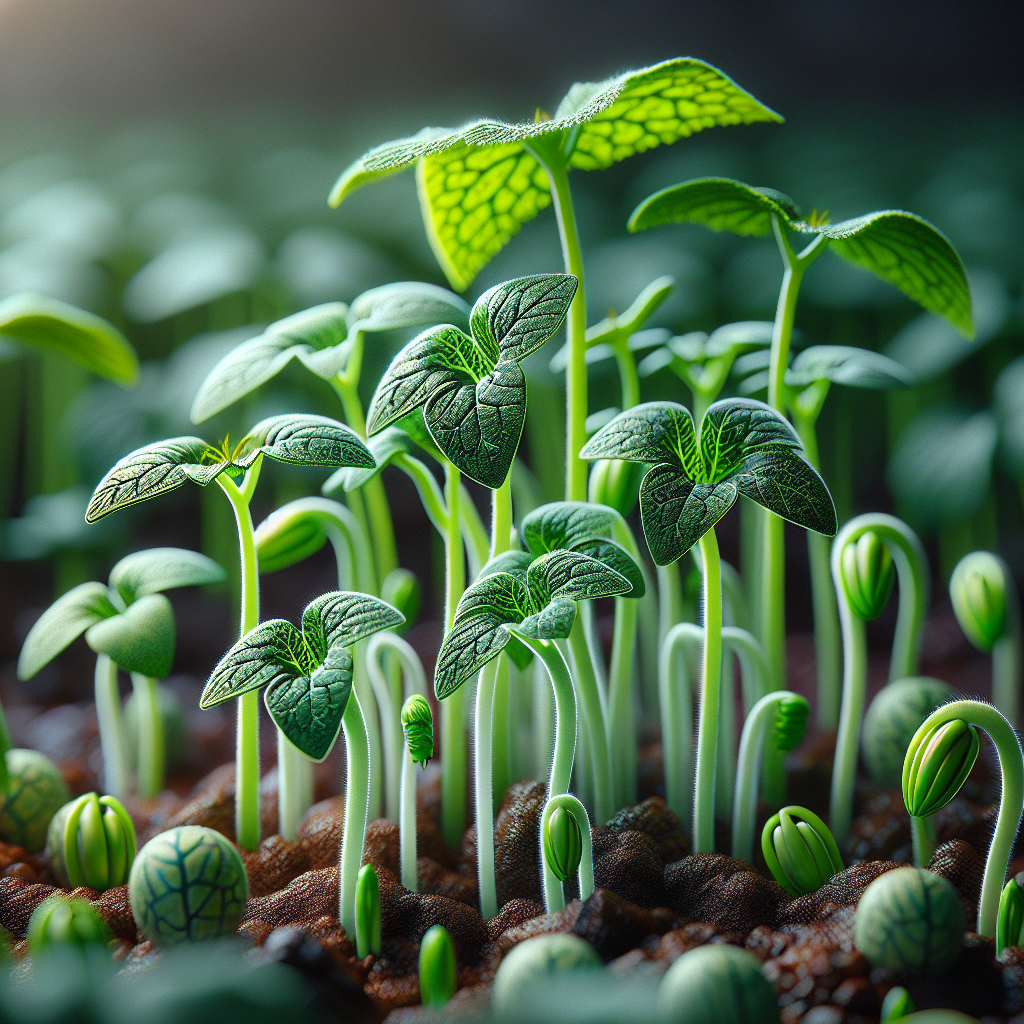
Cantaloupe, a member of the Cucurbitaceae family, is not just a beloved summer fruit; it also has intriguing sprouts that many people overlook. If you’ve ever wondered what cantaloupe sprouts look like, or want to gain a deeper understanding of their life cycle, growth patterns, and nutritional value, you’ve come to the right place! This article will provide an in-depth exploration of cantaloupe sprouts, answering questions commonly asked by gardening enthusiasts, health aficionados, and curious minds alike.
Overview of Cantaloupe
Before diving into the specifics of cantaloupe sprouts, let’s establish a foundation by looking at the fruit itself. Cantaloupes, scientifically known as Cucumis melo, are known for their sweet flavor, delightful aroma, and vibrant orange flesh. Rich in vitamins A and C, as well as hydration-replenishing water content, they make an excellent summertime refreshment.
The journey from seed to cantaloupe fruit begins with the sprouting process. Understanding this early stage is crucial for successful gardening or simply appreciating nature’s wonders.
What Do Cantaloupe Sprouts Look Like?
Seed Structure
At the heart of every cantaloupe sprout lies its seed. Cantaloupe seeds are flat and oval-shaped, typically measuring about 0.5 to 1 inch long. They have a smooth, light-brown exterior, which is crucial for protecting the embryo inside. Each seed contains the genetic material that dictates how the plant will grow.
Early Germination Phase
Once planted, cantaloupe seeds take about 7 to 14 days to germinate under optimal conditions. The germination process begins when the seed absorbs moisture, causing it to swell. Eventually, a tiny white shoot, known as a radicle, begins to emerge from the seed. This is the beginning of the plant’s root system.
First Leaves: Cotyledons
Immediately after the radicle forms, the next phase involves the development of the first set of leaves, known as cotyledons.
-
Appearance: Cantaloupe cotyledons are typically broad, oval-shaped, and have a pale green color. They serve as the plant’s first leaves but are distinct from the true leaves that will develop later.
-
Function: These leaves are crucial for photosynthesis, allowing the sprout to generate energy as it begins its journey from seedling to mature plant.
-
Growth Stage: Cotyledons generally emerge about 5 to 7 days post-germination. During this time, you may also notice the seed shell detaching from the sprout as it pushes through the soil.
Development of True Leaves
Following the emergence of cotyledons, true leaves begin to form.
-
Size and Shape: True leaves are larger than cotyledons and more serrated in appearance. They are typically heart-shaped or lobed, displaying variations as the plant matures.
-
Color: The true leaves showcase a rich green color, which signifies healthy photosynthetic activity.
-
Timing: True leaves usually start to develop around 2 to 4 weeks after germination, depending on environmental conditions like temperature, light, and soil quality.
Stem and Roots
As cantaloupe sprouts develop, the stem, also known as the hypocotyl, elongates. This is essential for raising the leaves towards sunlight, which is vital for photosynthesis.
-
Stem Color and Texture: The stem initially appears soft and herbaceous, a pale green that may eventually deepen in color. As the plant grows, the stem supports the leaves and will eventually hold the weight of the fruit.
-
Roots: The root system develops simultaneously, establishing a network that anchors the plant and absorbs water and nutrients. You’ll notice thin, fibrous roots that extend outwards as they search for moisture and sustenance in the soil.
Conditions Favoring Growth
Soil and Planting
Healthy cantaloupe sprouts require specific soil conditions for optimal growth:
-
Soil Type: Well-draining sandy or loamy soil is ideal. Heavy clay can lead to root rot due to poor drainage.
-
pH Levels: Cantaloupes prefer slightly acidic to neutral soil, with a pH between 6.0 and 7.0.
-
Nutrient-Rich: Incorporating organic matter or compost can provide essential nutrients that support healthy seedlings.
Temperature and Light
-
Temperature: Cantaloupes thrive in warm conditions, requiring soil temperatures between 70°F and 95°F for seed germination. If you’re planting in cooler climes, consider starting seeds indoors.
-
Light: Full sun is crucial; cantaloupe sprouts need at least 6 hours of direct sunlight each day to grow strong and healthy.
Watering Practices
Watering is essential for the sprouting stage:
-
Moisture: Soil should be kept consistently moist but not soggy. Overwatering can lead to damping-off, a common fungal disease that affects young seedlings.
-
Methods: Use a gentle spray or mist to avoid displacing delicate sprouts. Once they grow bigger, you can adjust watering techniques as needed.
Common Questions About Cantaloupe Sprouts
1. How long does it take for cantaloupe seeds to sprout?
Cantaloupe seeds typically take 7 to 14 days to germinate under ideal conditions. Warmer temperatures and proper moisture levels can accelerate this process.
2. Can I grow cantaloupe in containers?
Yes, cantaloupe can be successfully grown in containers as long as the pot is large enough—at least 5 gallons—and has good drainage. Ensure that you provide a trellis for the vines to climb.
3. What do I do if my cantaloupe sprouts are too leggy?
Leggy sprouts indicate insufficient light. If your seedlings are stretching toward light, consider moving them to a sunnier location or using grow lights to ensure they receive adequate lighting.
4. How much space do cantaloupe sprouts need?
Cantaloupe plants require ample space to spread. Ideally, plant seeds about 36 inches apart in rows that are spaced at least 4 to 5 feet apart to allow vines to grow without crowding.
5. Can I prune my cantaloupe plants?
Yes, pruning can enhance airflow and reduce disease risks. Remove weak or unhealthy leaves and consider trimming back some of the stems to promote better fruit production.
Nutritional Value of Cantaloupe Sprouts
Though many people tend to overlook cantaloupe sprouts, they possess a range of nutritional benefits. Rich in antioxidants, vitamins, and minerals, these tiny plants can be a valuable addition to your diet.
-
Vitamins: Like their mature counterparts, cantaloupe sprouts are rich in vitamins A and C, crucial for immune function and skin health.
-
Minerals: They also contain essential minerals like potassium, which supports heart health.
-
Hydration: Cantaloupe sprouts have high water content, making them a refreshing addition to salads and smoothies.
How to Use Cantaloupe Sprouts
Cantaloupe sprouts can be utilized in various culinary applications:
-
Salads: Add fresh sprouts to salads for a crunchy texture and nutrient boost.
-
Wraps: Use them in lettuce or tortilla wraps to enhance flavor.
-
Smoothies: Blend them into your favorite smoothies for added nutrients without significantly altering the flavor.
-
Garnishes: Use them as a garnish over dishes like grilled chicken or fish to add a touch of color and freshness.
Conclusion
Understanding what cantaloupe sprouts look like provides a fascinating peek into the life cycle of one of our favorite summer fruits. From their initial germination to the emergence of their leaves and growth into mature plants, sprouts play a crucial role in the journey of cantaloupes.
Growing cantaloupe sprouts may seem simple, but it offers a rewarding experience that connects us to nature. Whether you’re a seasoned gardener or a curious observer, paying attention to the intricate details of these tiny plants can deepen your appreciation for where our food comes from.
So, venture out to your garden, get your seeds ready, and embark on the exciting journey of growing your own cantaloupes! Not only will you enjoy the classic warm-weather fruit, but you’ll also develop a newfound appreciation for the vibrant life cycling right beneath your soil.