
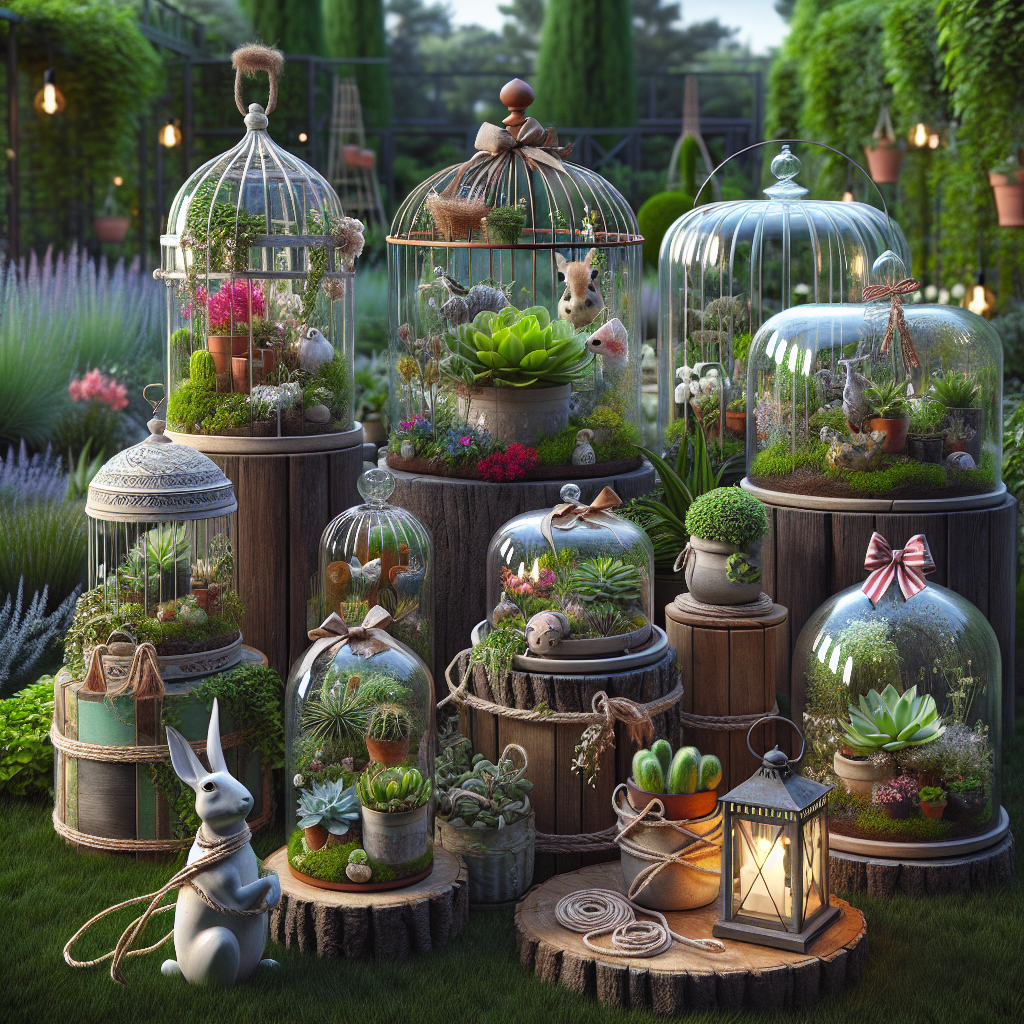
Garden cloches have been a gardener’s best friend for centuries, offering shelter and protection for plants while also adding an elegant touch to any garden landscape. Their history extends back to the 18th century, where they were primarily used in France. The term “cloche” means “bell” in French and refers to the original bell-shaped glass structures that were placed over young plants. Today, these versatile tools come in various materials, shapes, and designs, helping to nurture your plants and elevate your gardening experience. In this article, we’ll explore a multitude of garden cloche ideas, their uses, benefits, and answers to common questions, all aimed at providing you with an in-depth understanding of their importance in modern gardening.
What is a Garden Cloche?
Before diving into various cloche ideas, let’s clarify what they are. A garden cloche is essentially a protective cover for plants, helping to create a microclimate conducive to growth. While they were traditionally glass, today’s options include plastic, metal, and even wooden varieties. Their primary purpose is to shield plants from harsh weather conditions while promoting moisture retention, warmth, and protection from pests.
Benefits of Using Garden Cloches
-
Temperature Regulation: Cloches trap heat, creating a warmer environment for young plants. This is particularly beneficial for germination and the early stages of growth in cool-weather gardening.
-
Frost Protection: One of the most significant benefits of using a cloche is frost protection. A sudden cold snap can devastate delicate seedlings; cloches can serve as a crucial buffer.
-
Pest Control: Cloches can also act as a barrier against insects and larger pests like rabbits and deer, offering a layer of security to your prized plants.
-
Moisture Retention: By reducing evaporation, cloches help keep the soil moist, which is essential in arid climates.
-
Extended Growing Seasons: Cloches allow you to start growing early in the spring and extend your gardening season into late fall, making them incredibly versatile.
-
Aesthetic Appeal: Beyond their practical uses, cloches can serve as attractive garden ornaments, blending functionality with beauty.
Creative Garden Cloche Ideas
Now that we’ve covered the basics and benefits, let’s delve into some innovative garden cloche ideas that can transform your gardening game and add a touch of creativity to your outdoor space.
1. Traditional Glass Cloches
-
Description: The classic glass cloche features a timeless design that enhances the aesthetic of any garden. They typically come in a bell shape, often with a sturdy base.
-
Uses: Ideal for delicate seedlings or small potted plants, these cloches are perfect for creating a mini-greenhouse effect. Place them over transplants in the spring to give them a caloric boost.
-
Where to Find: Available at garden centers or made by DIY enthusiasts, glass cloches are easily sourced.
-
Pro Tip: Ensure proper ventilation by occasionally lifting the cloche to prevent condensation buildup.
2. DIY Terracotta Cloches
-
Description: Terracotta pots can easily be flipped upside down to create an effective cloche. The porous nature of terracotta will allow some moisture retention while still allowing airflow.
-
Uses: Perfect for raised bed gardens, these DIY cloches work well for smaller plants and seedlings.
-
How to Make: Simply find an appropriately sized terracotta pot, flip it upside down, and place it over your seedlings to shield them from pests.
-
Pro Tip: Paint your terracotta cloches in vibrant colors to add charm and personality to your garden.
3. Plastic Dome Cloches
-
Description: Clear plastic domes are lightweight and versatile. They can be found in various sizes and shapes, often featuring ventilation holes.
-
Uses: Ideal for large gardens where multiple plants require shelter. They’re inexpensive and can be used for both starting seeds and protecting established plants.
-
Where to Find: Available at major gardening retailers or online.
-
Pro Tip: Stack them for multiple layers of protection, especially when starting seeds indoors before moving them outdoors.
4. Metal Wire Cloches
-
Description: These cloches are crafted from wire mesh and may be shaped like a cage, offering an attractive, rustic aesthetic.
-
Uses: Best for protecting larger plants like tomatoes or peppers from pests. They allow airflow while keeping intruders at bay.
-
How to Make: Use hardware mesh to create a cylindrical shape and secure the ends. These wire cloches can be adorned with fabric or painted for added flair.
-
Pro Tip: Add a panel of plastic to the base of the cloche for added frost protection.
5. Upcycled Household Items
-
Description: Think creatively! Cloche ideas can extend to household items like old wine bottles, jars, or even large plastic containers.
-
Uses: Perfect for small seedlings or delicate herbs.
-
How to Make: Cut the bottom off plastic bottles or use glass jars as your cloche. You can bury the base of these items slightly into the soil for stability.
-
Pro Tip: Use different colors and shapes for an eclectic garden look.
6. Cloches with Bases for Larger Plants
-
Description: A more substantial option, these cloches are often made from glass or thick plastic with a sturdy base, designed for larger specimens.
-
Uses: Excellent for protecting larger plants like zucchini or squash from adverse weather conditions.
-
Where to Find: Search online or at local garden centers; these are becoming increasingly popular in urban gardening.
-
Pro Tip: Incorporate a base with drainage holes to ensure excess water escapes, preventing root rot.
7. Cloches for Urban Spaces
-
Description: Tailored for balconies or urban gardens, these smaller cloches fit nicely in confined spaces.
-
Uses: Well-suited for growing herbs or small vegetables within limited gardening areas.
-
Where to Find: Available from specialized urban gardening suppliers.
-
Pro Tip: Choose cloches with built-in wheels for easy mobility!
8. Stylish Cloches for Aesthetic Gardens
-
Description: For those who prioritize aesthetics, cloches can be more than just functional; they can be beautiful. These may include artistic designs featuring stained glass or ornate shapes.
-
Uses: Use these cloches in landscaping gardens where appearance matters just as much as protection.
-
Where to Find: Specialty garden shops may carry such unique designs.
-
Pro Tip: Incorporate decorative cloches into your flower beds to serve dual purposes.
9. Wooden Garden Cloches
-
Description: Wooden cloaches add a rustic touch to any garden. Though they may not be as common, they can offer excellent pest protection.
-
Uses: Best used for hardy plants like kale or carrots.
-
How to Make: Construct these with wooden slats and hinges for easy access.
-
Pro Tip: Ensure ample ventilation; you can leave small openings or create a slatted design.
Frequently Asked Questions
What is the best material for cloches?
The best material depends on your climate and personal preferences. Glass cloches provide excellent insulation and aesthetics but may break easily. Plastic dome cloches are more durable and lightweight, making them versatile for moving around the garden. Metal wire cloches are excellent for pest control.
How to ventilate cloches?
Ventilation is crucial to prevent excess moisture buildup, which can lead to fungal diseases. The best practice is to remove or tilt the cloche during the hottest parts of the day and replace it in the evening. Some cloches have built-in ventilation holes specifically designed for airflow.
Can I use a cloche for any type of plant?
While cloches are widely adaptable, they work best for young seedlings, tender vegetables, or fragile flowers. Larger, established plants may require a more robust structure like a greenhouse or raised beds.
How do I clean my cloches?
Cleaning varies by material. For glass cloches, a simple solution of vinegar and water is effective for removing residue. Plastic can be soaked in soapy water, while wire mesh can be scrubbed with a stiff brush to maintain its form and prevent rust.
Can I leave cloches on all the time?
It’s not advisable to leave cloches on indefinitely, especially once the weather warms up. Overheating can damage plants, so it’s essential to monitor the temperature inside the cloche and ventilate as necessary.
Are cloches effective in winter?
Absolutely! Cloches can effectively insulate hardy plants from frost damage in winter. However, ensure that they are sturdy and well-anchored, as harsh winds can cause lightweight structures to become dislodged.
Conclusion
Garden cloches not only offer practical benefits to growers, but they also contribute unique stylistic elements to landscapes and gardens. The variety of materials and designs cater to different preferences and needs, ensuring that every gardener can find a cloche suitable for their specific purpose. From traditional glass to creative DIY projects using household items, the options are nearly limitless.
Cloches are more than mere plant protectors; they are a fusion of functionality and artistry that elevate the gardening experience. Integrating these stunning creations into your gardening routine can help ensure thriving plants and an aesthetically pleasing garden. As you contemplate which designs to implement, remember the myriad benefits they provide, from extending planting seasons to offering protection against pests and extreme weather.
May your garden flourish, sheltered and nurtured with the elegance of garden cloches!