
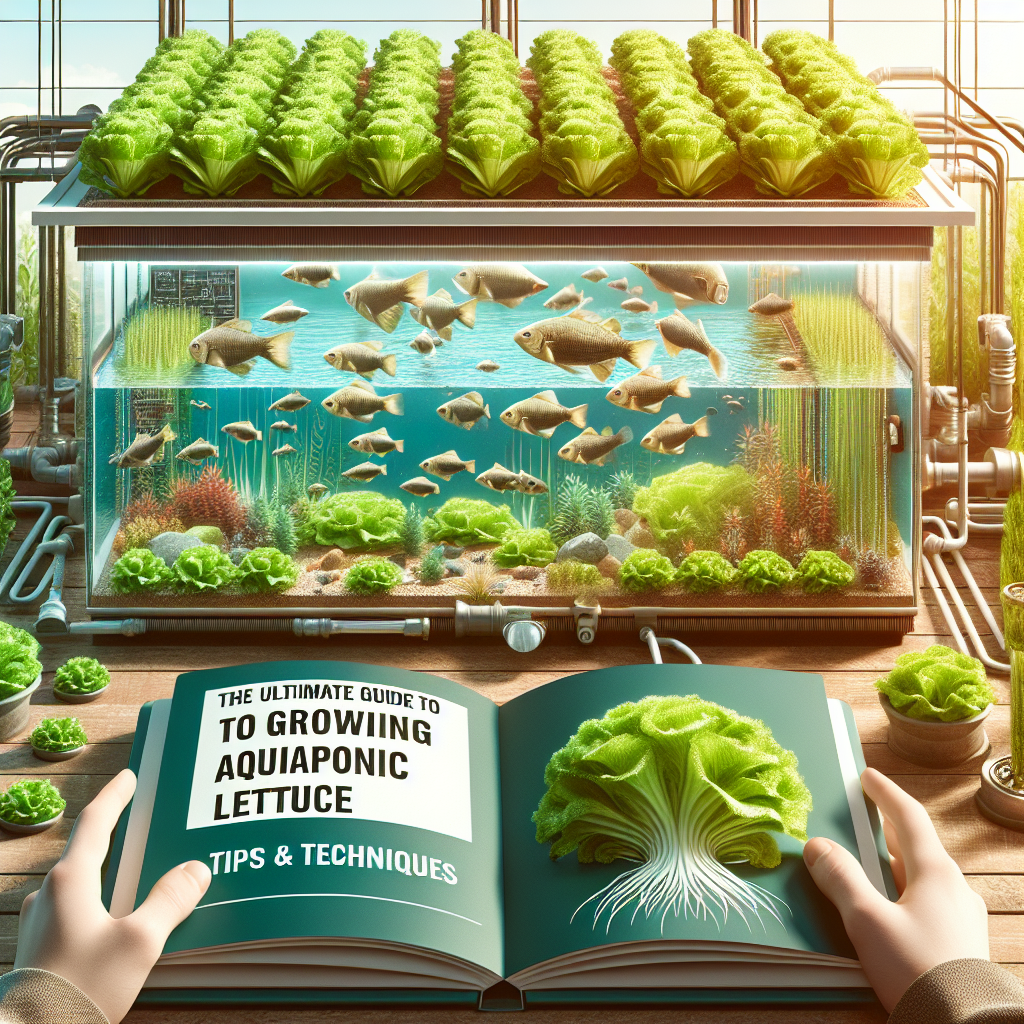
As global food demand continues to escalate, innovative agriculture techniques are emerging, and one of the most promising methods is aquaponics. At the heart of this system lies a lush green hero: aquaponic lettuce. This article dives deep into the world of aquaponic lettuce, exploring its benefits, the science behind it, and how it is setting the stage for sustainable food production solutions.
Understanding Aquaponics
What is Aquaponics?
Aquaponics is a sustainable farming method that combines aquaculture (the raising of fish) and hydroponics (the growing of plants in water) to create a self-sustaining ecosystem. In this system, fish waste provides an organic nutrient source for plants, while the plants naturally filter and clean the water for the fish, creating a symbiotic environment.
How Does Aquaponics Work?
-
Fish Tanks: The system starts with a fish tank, where fish are raised in water. Common species include tilapia, catfish, and trout due to their resilience and ability to thrive in various conditions.
-
Biofiltering: As fish excrete waste, beneficial bacteria in the system convert ammonia from fish waste into nitrites and then into nitrates, which serve as nutrients for plants.
-
Growing Beds: Water containing these nutrients is pumped into growing beds where plants (like lettuce) are cultivated.
-
Plant Growth: The plants absorb the nutrients, filtering the water, which is then returned to the fish tanks, completing the cycle.
Why Lettuce?
Lettuce is an ideal crop for aquaponic systems due to its fast growth cycle, minimal space requirements, and high market demand. Here are some specific benefits of growing lettuce via aquaponics:
-
Rapid Growth: Lettuce generally matures in 30 to 45 days, making it a quick turnaround crop.
-
Nutritional Value: Lettuce is low in calories yet rich in vitamins A, C, and K, alongside several important minerals.
-
High Market Demand: With the rise of healthy eating trends, fresh, locally-sourced produce is increasingly sought after.
Benefits of Aquaponic Lettuce
Environmental Advantages
-
Water Conservation: Aquaponics uses up to 90% less water compared to conventional farming because water is recirculated within the system.
-
No Soil Required: Growing without soil alleviates the challenges associated with soil degradation, pests, and diseases.
-
Reduced Carbon Footprint: Much like other vertical farming techniques, aquaponics can be done locally, reducing transportation emissions and supporting local economies.
Nutritional Superiority
-
Organic Growth: Aquaponic farms often avoid synthetic fertilizers and pesticides, which leads to healthier produce.
-
Higher Nutrient Content: Some studies suggest aquaponically grown plants can have higher levels of vitamins and minerals compared to their soil-grown counterparts.
-
Pesticide-Free: Since the system is closed-looped, there is less chance of pests entering the environment, leading to the minimum use of pesticides.
Economic Aspects
-
Cost-Effectiveness: While starting an aquaponic system may require a higher initial investment, the long-term benefits often outweigh these costs through higher yields, reduced water usage, and better crop quality.
-
Local Job Creation: Aquaponic farms can help in creating jobs in local communities, especially in urban areas.
-
Resilience against Market Fluctuations: Due to less dependence on chemical fertilizers and pesticides, aquaponic farms can be more resilient to market fluctuations.
Common Questions About Aquaponic Lettuce
Q1: What are the best types of lettuce to grow in an aquaponic system?
Answer: Leafy greens, especially varieties such as Butterhead, Romaine, and Loose Leaf Lettuce, are particularly well-suited for aquaponic growing. These types typically have short growth cycles and can thrive in a wide range of nutrient levels.
Q2: Do I need experience in either fish or plant care to start an aquaponics system?
Answer: While experience can be beneficial, it’s not essential. Basic knowledge about plant care and fish health can go a long way. Many aquaponics enthusiasts find learning through doing to be an effective approach.
Q3: What fish are best for aquaponics?
Answer: Tilapia is one of the most popular options, largely due to its adaptability and rapid growth rate. Other options include channel catfish, goldfish, and trout, but your choice may depend on local climate and regulations.
Q4: How much space do I need to start an aquaponic lettuce farm?
Answer: Aquaponic systems can be set up in surprisingly small spaces. Whether it’s a rooftop, basement, or backyard, a smaller home aquaponics system can be established in as little as 10 square feet.
Q5: Can I grow other crops besides lettuce in an aquaponics system?
Answer: Absolutely! Besides lettuce, many herbs, vegetables, and even fruiting plants like tomatoes and peppers can grow in aquaponic systems. The combination of fish, plants, and other organisms can also be tailored to local tastes and demands.
Q6: How do I ensure the health of both fish and plants?
Answer: Regular monitoring of water quality—pH levels, ammonia levels, and oxygen content—is essential for a thriving aquaponic system. Performing regular water changes and ensuring your fish are healthy are crucial for both fish and plant health.
Aquaponic Lettuce Cultivation Techniques
-
Nutrient Cycling: Monitoring the nitrogen cycle and ensuring the balance of fish and plant ratios will optimize nutrient availability.
-
Water Quality Testing: Regularly check pH and ammonia levels, and use an aquarium kit to monitor for nitrites and nitrates.
-
Lighting: Depending on the setting (indoor or outdoor), consider artificial grow lights if natural light isn’t sufficient.
-
Temperature Control: Most leafy greens prefer temperatures between 60°F to 70°F (15°C to 21°C), so consider heating or cooling systems if you reside in extreme climates.
Common Challenges
-
Imbalance Between Fish and Plants: If the system leans too much towards one component (either too many fish or too many plants), it can disrupt the nutrient cycle. Regular monitoring and adjustments can usually correct this imbalance.
-
Pest Management: Although pests are less prevalent in aquaponic systems, problems can still arise. Implementing integrated pest management strategies can help.
-
Initial Setup Costs: While this may pose a challenge, many eco-conscious consumers are willing to pay a premium for local aquaponic produce, helping offset these costs over time.
-
Technical Knowledge: Learning how to manage both fish and plant health may appear daunting initially, but numerous resources and courses are available that can simplify the learning process.
The Future of Aquaponics
As the world grapples with food security challenges, aquaponics is emerging as a viable solution. Several encouraging trends are at play:
-
Urbanization: As cities grow, urban aquaponics is providing local communities with fresh produce, reducing dependence on distant farming.
-
Sustainable Practices: More consumers are favoring organic, sustainably-sourced food, leading many retailers to search for aquaponic produce.
-
Technological Advancements: Innovations in sensor technology and data analytics are making monitoring and caring for aquaponic systems easier and more precise.
-
Community Engagement: Educational programs and workshops are sparking interest in backyard aquaponics, encouraging self-sustainability at the individual level.
-
Global Cooperation: As aquaponics gains traction, many nations are collaborating on research to develop advanced systems that improve efficiency and adaptability across different environments.
Conclusion
The world of aquaponic lettuce is not just about growing a crop—it’s about creating a sustainable ecosystem that fosters community, conserves resources, and provides fresh food solutions. By harnessing the natural synergy between fish and plants, aquaponics stands poised to lead the way in the future of agriculture.
With the benefits it offers, from reduced water usage to higher nutrient density, aquaponic lettuce serves as a model for how food can be grown sustainably in harmony with nature. The rise of aquaponics represents hope not only for farmers and consumers but for our planet as a whole.
As you consider diving into the world of aquaponics, remember that every seed planted is an investment in a healthier, more sustainable future. Whether you’re an experienced farmer or just someone passionate about fresh, local produce, aquaponic lettuce has the potential to transform the way we think about food cultivation.