
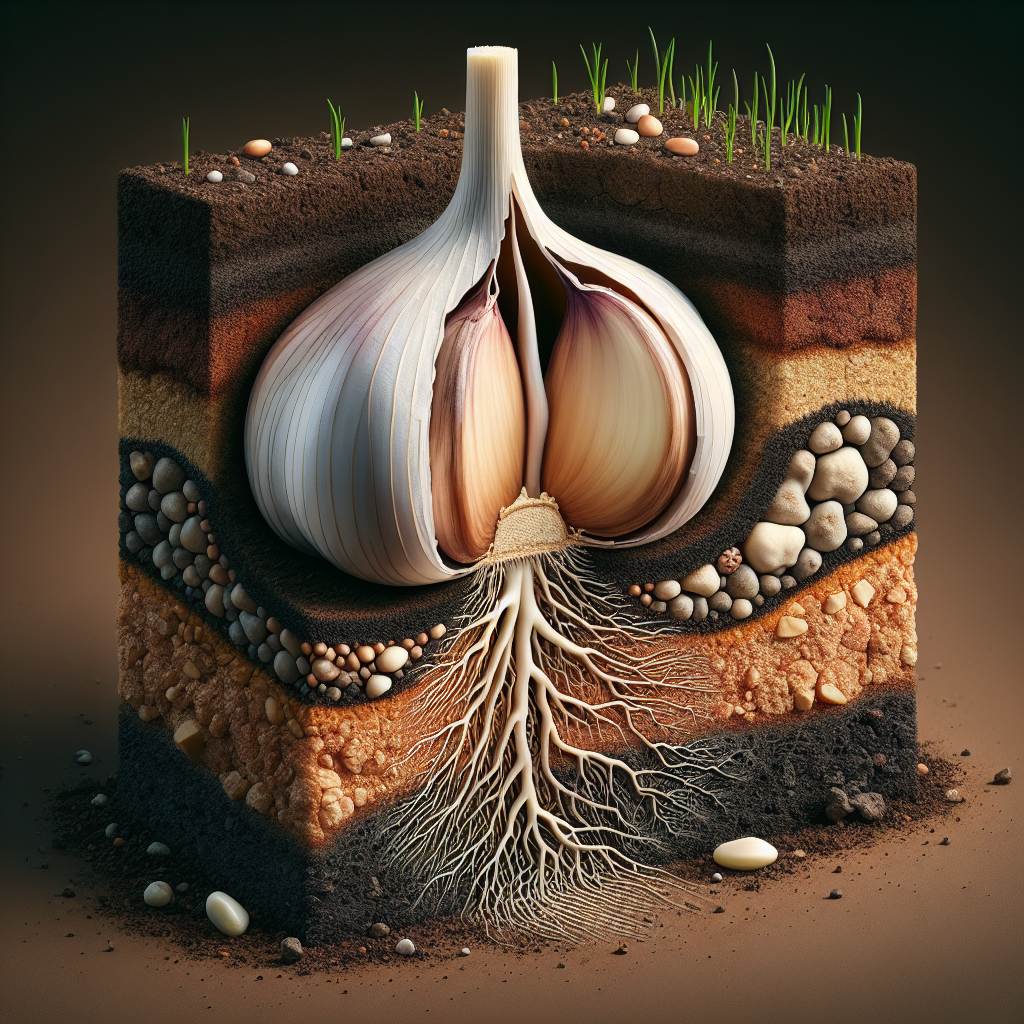
The Depth of Garlic Roots: An In-Depth Exploration
Garlic, known scientifically as Allium sativum, is a member of the onion family and has been cultivated for thousands of years for its unique flavor and numerous health benefits. Its underground growth is as fascinating as its culinary and medicinal uses. One intriguing aspect of garlic cultivation that is often overlooked is the depth of its roots. In this article, we will delve into how deep garlic roots grow, the factors influencing their growth, their role in the plant’s health, and practical implications for gardeners and farmers alike.
Understanding Garlic as a Plant
Before we explore the intricacies of garlic root growth, it’s crucial to understand what garlic is and its life cycle. Garlic is a perennial plant, grown as an annual in most areas for its bulbs, which are harvested once the plant matures. It typically grows to about 2 to 3 feet tall and features green, strap-like leaves. As the bulbs mature, the leaves start to yellow and die, which signals that it’s time for harvest.
How Deep Do Garlic Roots Grow?
Average Root Depth
The roots of garlic generally grow to a depth of 6 to 18 inches. However, under optimal conditions and with specific varieties, root systems can penetrate even deeper, reaching depths of 24 inches or more. This depth is crucial for the plant’s stability, nutrient absorption, and resistance to drought conditions.
Factors Influencing Root Depth
-
Soil Type
- Loamy Soil: Ideal for garlic growth, loamy soil allows roots to spread and grow deeper due to its nutrient-rich composition and good drainage.
- Clay Soil: While garlic can grow in clay soil, root depth may be limited due to its dense texture, which can create barriers for root expansion.
- Sandy Soil: Although it drains well, sandy soil may not retain enough nutrients and moisture, leading to shallower roots.
-
Water Availability
- Garlic essentially requires consistent moisture during its growth phase. The availability of water can influence how deeply the roots grow. In dry conditions, roots tend to grow shallower in search of moisture.
-
Climate and Seasonal Changes
- Garlic is usually planted in the fall and harvested in the summer. Seasonal changes, such as temperature variations, can impact root development. Warmer conditions typically encourage deeper root growth, while extreme cold may hinder it.
-
Fertilization
- Garlic benefits from nitrogen-rich fertilizers. An adequate supply of nutrients allows the plant to invest energy into deeper root systems, supporting better bulb development.
-
Varietal Differences
- Different garlic varieties may exhibit varying root depths. Hardneck varieties tend to develop deeper roots than softneck varieties, owing to their distinct growth habits.
The Importance of Root Depth
Nutrient Absorption
Garlic roots play a vital role in anchoring the plant and facilitating nutrient uptake. By growing deeper, garlic can access nutrients locked in the soil that shallower roots may not. This depth is particularly important in nutrient-poor soils, where garlic can draw from a broader range of minerals.
Water Stability
Deeper roots help garlic plants become more drought-resistant. In seasons of unpredictable rainfall, garlic with more profound root systems can tap into moisture reservoirs in the soil, ultimately ensuring a more reliable water supply for the plant during critical growth phases.
Disease Resistance
Root depth also correlates with disease resistance. A healthier root system means better overall plant health, allowing garlic to fend off diseases more effectively. Shallow roots can lead to compromised plants, which may become more susceptible to soil-borne illnesses.
Frequently Asked Questions
1. What is the best soil for garlic cultivation?
The best soil for garlic is a well-draining, loamy soil enriched with organic matter. A pH level between 6.0 and 7.0 is ideal. Amendments such as compost can enhance soil fertility and ensure that the roots develop optimally.
2. How much water does garlic require?
Garlic requires regular watering, especially during the initial growth phase and bulb formation. Typically, garlic should receive about 1 to 1.5 inches of water per week. Adjust watering based on rainfall to maintain consistent moisture levels.
3. Can garlic be grown in containers?
Yes, garlic can successfully be grown in containers! Ensure that the container is deep enough to accommodate the root system, ideally at least 12 inches deep. This will allow the roots to grow adequately while providing sufficient drainage.
4. How can I tell if my garlic roots are healthy?
Healthy garlic roots are typically white and firm, free from decay or discoloration. If you notice any signs of disease—such as a mushy texture or dark spots—it’s advisable to take action immediately, either by improving soil conditions or treating the plant.
5. What is the ideal planting depth for garlic cloves?
When planting garlic cloves, they should be buried about 2 inches deep into the soil. This depth allows for sufficient soil coverage while enabling successful sprouting and root development.
Best Practices for Promoting Deep Root Growth
1. Soil Preparation
Preparing the soil is essential for ensuring deep garlic root growth. Start by tilling the soil to a depth of at least 12 inches to break up dense layers and incorporate organic matter. Compost or well-rotted manure can provide essential nutrients.
2. Mulching
Adding a layer of mulch around the garlic can help retain soil moisture, regulate temperature, and prevent weed competition, all of which can be beneficial for deeper root development.
3. Proper Watering Techniques
To encourage deep root growth, use a watering technique like deep watering rather than frequent shallow watering. This promotes deeper root penetration as roots search for moisture further down in the soil.
4. Fertilization
Using organic fertilizers like bone meal, blood meal, or fish emulsion can give garlic the needed nutrients for optimal root development. However, avoid over-fertilizing, as this can lead to excessive top growth and weak bulb formation.
5. Crop Rotation
Practicing crop rotation can improve soil health and fertility, ensuring that garlic has a nutrient-rich environment in which to establish deep roots.
Conclusion
Understanding how deep garlic roots grow offers invaluable insights for both home gardeners and large-scale farmers. The average root depth of garlic, ranging from 6 to 18 inches, lays the foundation for the plant’s ability to absorb nutrients, resist drought, and fend off diseases. Factors such as soil type, water availability, and seasonal changes play integral roles in determining the health and vitality of garlic root systems.
By implementing best practices that facilitate deep root growth—from soil preparation and mulching to proper watering and fertilization—one can maximize the potential of their garlic crop, ensuring robust and healthy plants. As we cultivate this remarkable vegetable, let’s take a moment to appreciate the intricate world of garlic roots, which work tirelessly beneath the soil, supporting the flavorful bulbs we so enjoy in our kitchens.
Through a deeper understanding of garlic root systems, we not only enhance our gardening practices but also foster a greater appreciation for the intricate relationship between plants and their environments. Whether you are growing garlic for culinary purposes or health benefits, knowing how deep garlic roots grow will help you cultivate a thriving crop. Happy planting!