
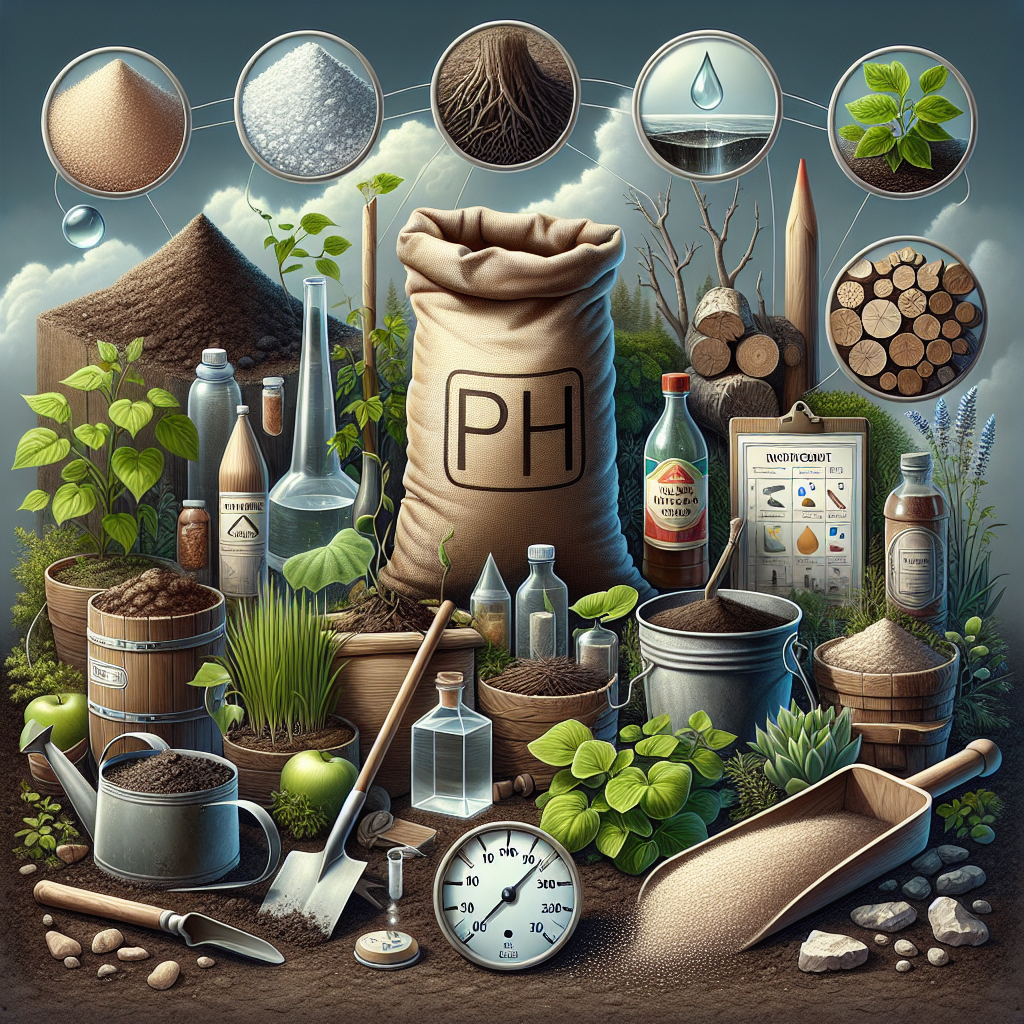
Understanding Soil Acidity: A Comprehensive Guide to Reducing Acidity in Garden Soil
Introduction
Creating a lush and thriving garden involves understanding the myriad factors that influence plant health, with soil pH ranking at the top. Soil acidity, measured on a scale from 0 to 14, determines the accessibility of nutrients for plants. While many plants prefer a slightly acidic to neutral soil pH (between 6.0 and 7.0), excessively acidic soils (below 6.0) can hinder growth and reduce crop yield. This article will delve into the importance of managing soil acidity, various methods to reduce acidity, and answers to pertinent questions gardeners may have about this subject.
Why Does Soil Acidity Matter?
To appreciate why one should care about soil acidity, consider the following:
-
Nutrient Availability: Certain nutrients become less available to plants in acidic soils. For instance, phosphorus and calcium can become locked up, while toxic elements like aluminum may become more soluble and harmful.
-
Microbial Activity: The health of soil microorganisms, which play a crucial role in breaking down organic matter and recycling nutrients, can be adversely affected by high acidity.
-
Plant Health: Many ornamental plants and vegetables thrive in a balanced pH. When soil becomes too acidic, you may notice stunted growth, yellowing leaves, or increased susceptibility to pests and diseases.
How Do You Know if Your Soil is Acidic?
Testing Soil pH
The first step in managing soil acidity is determining the current pH level. You can test your soil in several ways:
- DIY Soil Test Kits: Available at garden centers, these kits generally include pH strips and instructions.
- Professional Soil Testing Services: For comprehensive analysis, you may send samples to a lab. This can provide insights into nutrient levels, organic matter, and pH.
- Use of Household Items: You can conduct a rudimentary test with vinegar (acidic) and baking soda (basic). Mixing soil samples with these will produce effervescence if the pH is too acidic or alkaline, respectively. However, this is not precise.
Ways to Reduce Soil Acidity
Once you’ve confirmed your soil’s acidity, the next step is choosing an effective method to neutralize it:
1. Lime Application
What is Lime?
Lime (calcium carbonate) is the most common amendment used to raise soil pH. When lime is added to acidic soil, it reacts with hydrogen ions, resulting in a more neutral pH.
How Much Lime Do You Need?
The amount of lime required depends on your soil’s pH and texture. As a guideline:
- Sandy Soil: Approximately 0.5 tons per acre.
- Clay Soil: Approximately 2 tons per acre.
It’s advisable to conduct a soil test beforehand to determine the precise amount needed. After applying lime, it can take several months for the pH to stabilize.
When to Apply Lime?
Lime can be applied in the fall or spring. Fall is ideal as it allows the lime to react before planting begins. Always incorporate lime into the soil for best results.
2. Adding Organic Matter
Why Organic Matter?
Incorporating organic materials like compost, well-rotted manure, or leaf mold can help create a balanced ecosystem in your soil. Organic matter improves soil structure, promotes microbial life, and can also buffer soil acidity.
What Types of Organic Matter are Best?
- Compost: Adds nutrients and improves drainage.
- Manure: Enhances nutrient content but must be well-rotted to avoid introducing pathogens.
- Peat Moss: Adds acidity while improving moisture retention, making it a double-edged sword. Use cautiously in the context of excess acidity.
How Much Organic Matter Should You Add?
Aim for about 2-3 inches of organic matter across your garden beds, mixing it into the top 6-12 inches of soil.
3. Planting Acid-Tolerant Species
While working to neutralize soil, consider planting flora that thrives in acidic conditions. This may include:
- Blueberries: Require a pH between 4.5 to 5.5.
- Azaleas: Thrive well in acidic soils.
This method allows you to enjoy a fruitful garden without direct interference with soil acidity during the interim.
Understanding the Role of Other Amendments
4. Gypsum
Contrary to popular belief, gypsum (calcium sulfate) does not directly increase soil pH, but it can improve soil structure, helping to leach away acid residues. This is particularly effective in clay soils.
5. Wood Ash
Wood ash can raise soil pH, but it must be applied cautiously. It provides potassium and calcium, and when spread thinly, it can gradually neutralize acidity.
FAQs About Soil Acidity
Q: How long does it take to change soil acidity after lime application?
A: Depending on soil type, texture, and moisture level, the pH change can take between a few months to a year to stabilize after lime application. Regular testing will give you the best idea of progress.
Q: Can I apply too much lime?
A: Yes, over-liming can lead to nutrient deficiencies and toxicity. This is why pre-application testing is critical. Apply based on recommendations from soil tests.
Q: What pH level should I aim for in vegetable gardens?
A: Most vegetables thrive in a pH range of 6.0 to 7.0. Certain crops like potatoes may prefer slightly more acidic conditions (around 5.5), so plan accordingly based on your garden selections.
Q: Can I use coffee grounds as an amendment?
A: Yes, coffee grounds can be beneficial, as they are mildly acidic and can help balance out certain pH levels. However, they should be used in moderation and should be composted first for optimal results.
Additional Practices to Maintain Balanced Soil pH
-
Cover Crops: Implementing cover crops like clover or vetch can naturally enrich your soil and mitigate excessive acidity over time.
-
Crop Rotation: Rotate crops annually to prevent nutrient depletion and help maintain soil health.
-
Regular Testing: Ensure that you engage in regular testing every few years to monitor pH levels and further adjust as necessary.
Conclusion
Managing soil acidity is an integral aspect of fostering a thriving garden. By understanding how acidity affects your soil and plants, utilizing lime and organic matter, and adopting other beneficial practices, you can create an ideal growing environment. Remember that each garden is unique, and the solutions that work for one may not resonate with another. Through regular testing and observation, you can cultivate a magnificent garden that reflects your hard work and dedication.
Final Thoughts
As you embark on this journey of reducing acidity in your garden soil, take pride in the work you are undertaking. Enhanced soil pH is not just about chemistry; it’s about creating a nurturing habitat for plants and microorganisms alike. A well-balanced soil can become a thriving ecosystem, leading to abundant harvests and a beautiful, healthy garden. Happy gardening!