
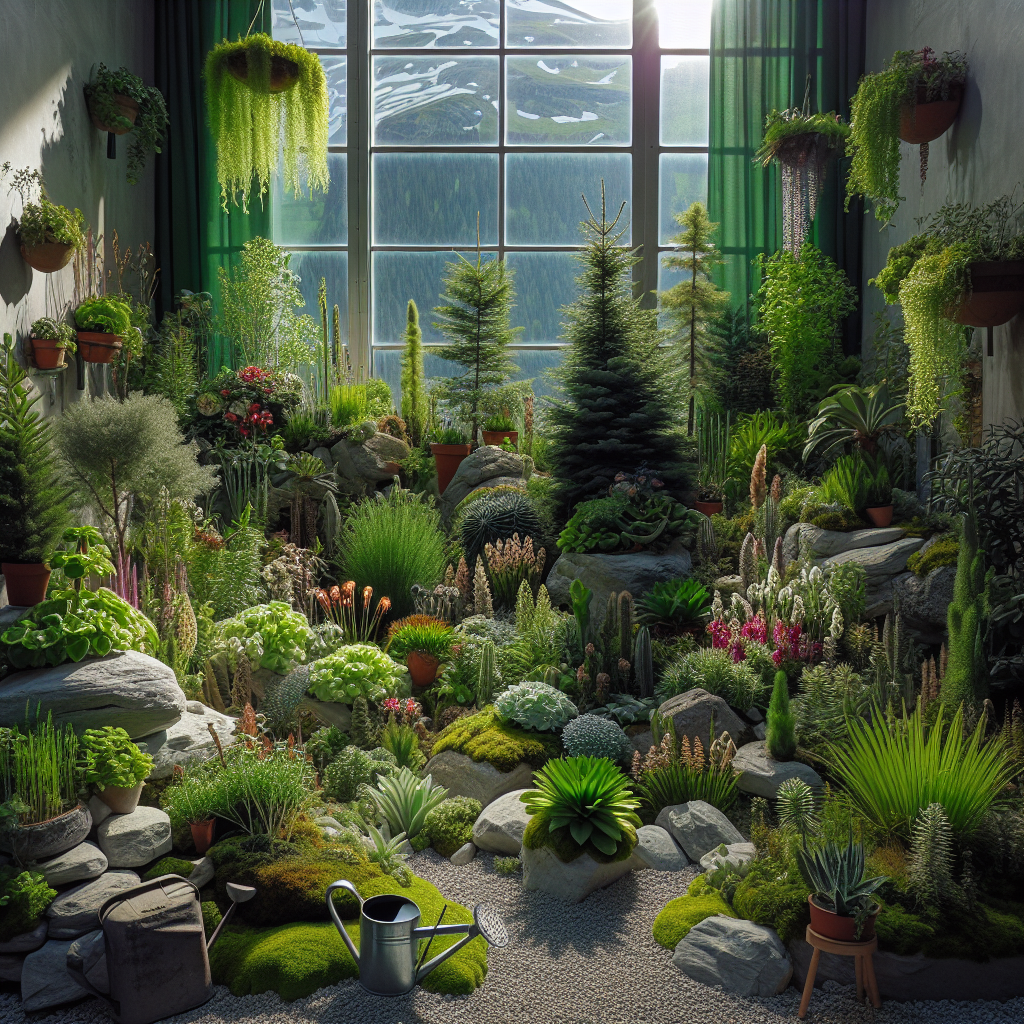
Indoor gardening can transport you to a serene world of tranquility, where the vibrant colors and delicate textures of plants breathe life into your living space. Among the myriad of plant options available to indoor gardeners, alpine plants are a unique and extraordinary subset that brings a touch of the wild, rugged beauty of mountain landscapes into your home. This article will explore the fascinating realm of indoor garden alpine plants, addressing common questions and providing in-depth insights into their care, benefits, and cultivation.
What Are Alpine Plants?
Alpine plants are species that have adapted to grow in harsh mountainous environments, often at high altitudes where conditions are challenging for most other flora. These plants are characterized by their specific adaptations such as drought resistance, ability to withstand cold temperatures, and often, a compact growth form. They thrive in rocky, well-drained soils and are usually perennial, returning year after year to grace the alpine landscape with their colorful blooms and foliage.
Why Choose Alpine Plants for Indoor Gardening?
1. Aesthetics and Variety
Alpine plants offer an array of shapes, colors, and textures that can enhance any indoor space. From the delicate yellow flowers of the Alpine Aster to the stunning purple blooms of Saxifraga, there’s an enchanting assortment of alpine species to choose from.
2. Space Efficiency
Alpine plants tend to be small and compact, making them an excellent choice for people with limited indoor gardening space. They can be grown in pots, terrariums, or within rock gardens designed specifically for indoor settings.
3. Low Maintenance
Many alpine plants are drought-resistant and hardy, requiring less water and care than other houseplants. This makes them an excellent choice for beginner gardeners or busy individuals who may not have the time to devote to high-maintenance plants.
4. Educational Opportunities
Cultivating alpine plants provides a unique opportunity to learn about plant biology, ecology, and the specific environmental adaptations of species that thrive in extreme conditions. This can be particularly engaging for families or educational settings.
5. Health Benefits
Indoor gardening has been shown to improve air quality and overall well-being. The presence of plants can reduce stress, boost mood, and create a calming ambiance—qualities that are enhanced when cultivating unique and striking alpine varieties.
Ideal Conditions for Indoor Alpine Gardens
1. Lighting Requirements
Alpine plants typically thrive in bright, indirect light. Placing your alpine garden near a window that receives ample sunlight without direct harsh rays is ideal. If adequate natural light isn’t available, a grow light specifically suited for indoor plants can be utilized.
2. Temperature and Humidity
Most alpine plants prefer cool temperatures, ranging between 60°F and 70°F (15°C to 21°C). They typically thrive in lower humidity levels, which is convenient for indoor environments where high humidity can be challenging to maintain.
3. Soil Composition
Alpine plants require well-draining soil, often consisting of a mixture of potting soil, sand, and perlite or gravel. This ensures adequate drainage and prevents root rot, a common issue with these sensitive plants.
4. Watering Needs
Watering can be tricky with alpine plants; they are adapted to survive in environments where water is scarce. Water them deeply but infrequently, allowing the soil to dry out in between watering sessions. It’s crucial to monitor the moisture level carefully, particularly during the growing season.
Best Alpine Plants for Indoor Gardens
1. Sempervivum (Hens and Chicks)
This hardy succulent is a staple in alpine plant collections. Sempervivum is known for its rosette shape and comes in various colors, from green to red. It thrives in well-draining soil and needs minimal care.
Care Tips:
- Ensure plenty of sunlight
- Water sparingly
2. Saxifraga
Saxifraga, or rockfoil, boasts beautiful flowers and distinctive foliage. This genus has a variety of species that can adapt well to indoor conditions, making it a rewarding choice for gardeners.
Care Tips:
- Prefers cooler temperatures
- Requires well-draining soil
3. Eritrichium
Often called alpine forget-me-not, this plant offers charming blue flowers that can brighten any indoor space. They prefer somewhat cooler conditions, and their delicate appearance belies their hardiness.
Care Tips:
- Bright indirect light
- Allow soil to dry before watering
4. Dianthus
Also known as carnations or pinks, Dianthus offers a mix of colorful flowers and intriguing scents. Some alpine varieties are compact and perfect for small indoor spaces.
Care Tips:
- Thrives in moderate temperatures
- Needs consistent moisture without overwatering
5. Androsace
Commonly known as rock jasmine, Androsace features delightful clusters of flowers and is an excellent choice for rock gardens indoors. This plant prefers cooler conditions.
Care Tips:
- High light levels are beneficial
- Ensure excellent drainage
Cultivating an Indoor Alpine Garden: The Step-by-Step Process
1. Select Your Plants
Choose a mix of alpine plants that suit your indoor climate and aesthetic preferences. Make sure to understand the specific needs of each plant.
2. Create the Perfect Soil Mix
Blend potting soil with an equal amount of sand and perlite or gravel to achieve the appropriate drainage.
3. Select the Right Containers
Opt for shallow containers or terrariums that allow for better drainage. Ensure there are drainage holes at the bottom.
4. Plant Arrangement
Arrange your plants considering their height, color, and bloom time. Taller plants can be placed at the back of the container, while shorter ones can be positioned at the front.
5. Water and Maintain
Water your new alpine garden lightly, allowing the soil to dry out between watering. Monitor growth and look out for pests or diseases.
6. Enhance With Decor
You might consider incorporating decorative rocks or miniature figurines to enrich the visual aesthetics of your alpine garden.
Common Questions about Indoor Alpine Plants
1. How do I know if my alpine plants are getting enough light?
You’ll know your plants are receiving enough light if they exhibit healthy growth, vibrant colors, and produce flowers. If they become leggy, stretched, or begin to lose vigor, they may require more light.
2. Can I grow alpine plants outside during warmer months?
Yes, many alpine plants can thrive outdoors during the warmer months, provided you gradually acclimatize them to the changing conditions. Ensure that the outdoor environment mimics their natural habitat—well-draining soil, cooler temperatures, and partial shade.
3. How do I propagate alpine plants?
Many alpine plants can be propagated through division or cuttings. Always ensure that your tools are sterilized to prevent any disease transfer and choose healthy plants to take cuttings.
4. What pests or diseases should I be aware of?
Common pests include aphids, mealybugs, and thrips. Watch for signs of disease, such as fungal or bacterial infections, often indicated by yellowing leaves or mold. Regularly inspect your plants, and isolate any infested specimens to avoid spreading issues.
5. What is the best way to fertilize alpine plants?
Use a diluted liquid fertilizer during the growing season (spring and summer) and avoid over-fertilization. Several alpine plants naturally thrive in nutrient-poor soils, so a little goes a long way.
The Aesthetic Appeal of Alpine Plants in Interior Design
Alpine plants can significantly enhance the aesthetics of your indoor space. Their unique forms and often vibrant flowers can serve as stunning focal points in a room.
Decorative Arrangements
-
Terrariums: Indoor terrariums can encapsulate the alpine spirit, providing a miniaturized landscape that can be admired from all angles.
-
Rock Gardens: Finding a sunny corner to create a rock garden can transform the look of a space, reminiscent of an alpine hilltop.
Color Design
Incorporating alpine plants into your decor can help create a color palette that complements existing furniture and interior design. The subtle hues of alpine plants can add character, especially when paired with natural elements like wood and stone.
Seasonal Displays
These plants can be swapped out or rotated based on seasonal blooms, keeping your indoor garden dynamic and interesting throughout the year.
The Joy of Indoor Gardening: A Therapeutic Hobby
Gardening, including cultivating indoor alpine plants, can have profound psychological benefits. Studies indicate that spending time with plants can lower stress levels, enhance mood, and foster a sense of connection to nature. Engaging in this hobby offers a mindful escape from the busyness of daily life.
Building Connections
Indoor gardening can bring families together, offering shared tasks and learning experiences as children and adults alike engage in the joy of nurturing plants.
Conclusion: Embrace the Wonders of Indoor Alpine Gardening
Indoor alpine gardening invites you to explore new realms of beauty and sustainability, bringing a piece of nature’s rugged landscapes into your home. With their aesthetic charm, low maintenance needs, and unique adaptations that resonate with resilience, alpine plants are a rewarding choice for any indoor gardener.
Whether you are seeking to beautify your living space, enhance your well-being, or embark on a new hobby, indoor alpine plants provide an engaging avenue for creativity and connection with nature. So gather your supplies, select your alpine beauties, and start cultivating your enchanting indoor garden today. The tranquility and joy that alpine plants bring are sure to enrich your everyday life, proving that even in the heart of the city, a slice of alpine wilderness can thrive.