
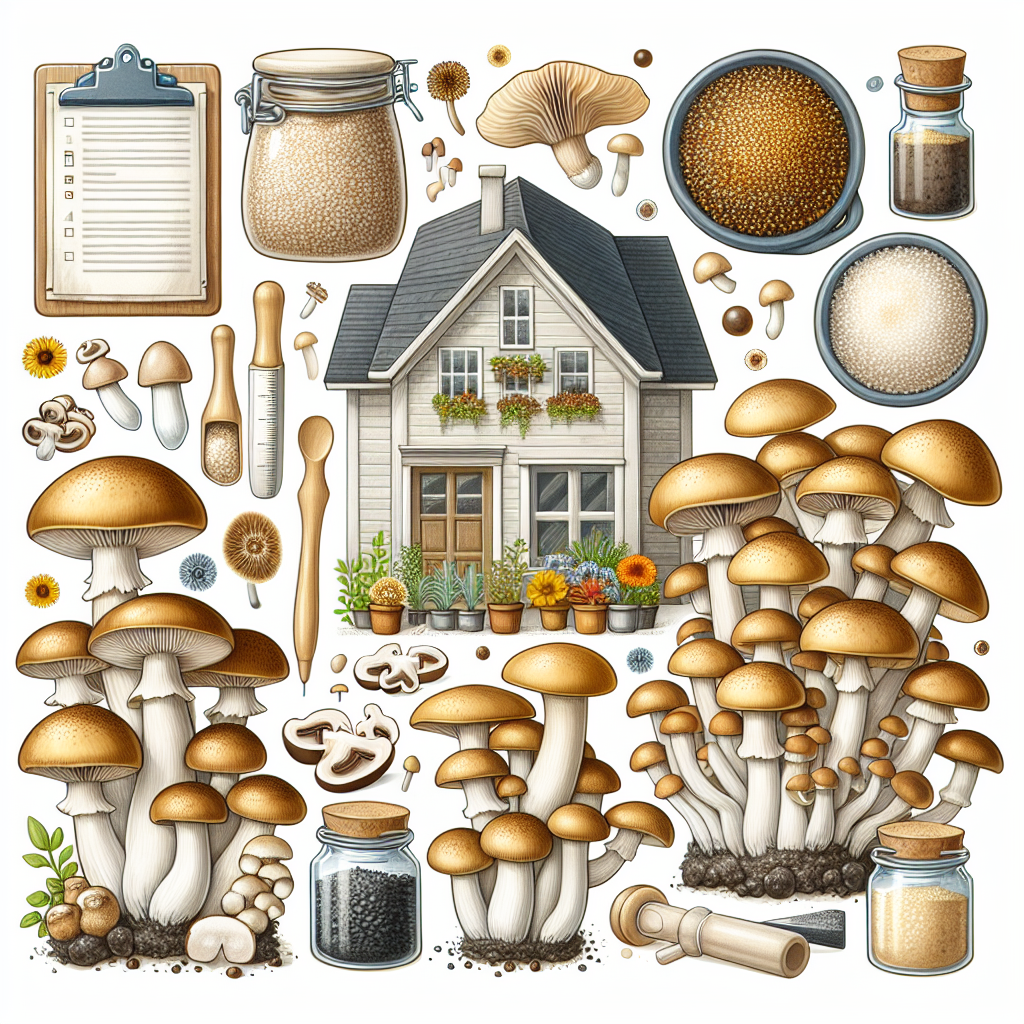
Mushrooms have captivated humanity for centuries, not only as a culinary delight but also due to their fascinating characteristics and surprising benefits. For beginners, the idea of growing their own mushrooms can seem daunting, yet it’s an incredibly rewarding endeavor that can be accomplished with minimal space and resources. In this comprehensive guide, we’ll explore everything you need to know about growing mushrooms, including the benefits, the basics of mushroom biology, step-by-step instructions, and answers to common questions.
The Benefits of Growing Your Own Mushrooms
1. Freshness and Flavor
Homegrown mushrooms provide an unmatched culinary experience. Unlike store-bought varieties that may be picked before they’re fully ripe and traveled long distances, fresh mushrooms cultivated at home burst with flavor and nutrients.
2. Eco-Friendly Practice
Growing mushrooms reduces your carbon footprint. Instead of purchasing mushrooms transported from afar, you can create a sustainable growing environment in your own home or yard. Plus, many mushrooms can thrive on agricultural waste, effectively recycling materials that might otherwise contribute to landfill.
3. Variety and Control
Home cultivation gives you the freedom to choose from a wide variety of mushrooms—button, shiitake, oyster, and many more. You also have control over the growing conditions, ensuring that your mushrooms are free from pesticides and harmful chemicals.
4. Health Benefits
Mushrooms are renowned for their nutritional value. They are low in calories, high in vitamins, and some varieties even contain compounds that can help to bolster immunity and promote overall health.
5. Therapeutic Experience
Mushroom cultivation can be therapeutic. The process involves nurturing a living organism, which can be an incredibly rewarding and calming experience.
Understanding the Basics: Mushroom Biology
What Is a Mushroom?
Mushrooms are the fruiting bodies of fungi, which are separate from plants and animals. They are primarily composed of mycelium, a network of thread-like structures that absorb nutrients from their environment.
Life Cycle of Mushrooms
Understanding the life cycle of mushrooms will help you appreciate the process of growing them. The stages include:
- Mycelium: The vegetative part of the fungus. This is a mass of branching, thread-like structures.
- Fruiting Body Formation: Under the right conditions, the mycelium will produce the fruiting body we recognize as mushrooms.
- Spore Release: Once mature, the mushroom releases spores, which can then germinate into new mycelium.
Starting Your Mushroom Garden: Essential Steps
1. Choose Your Mushroom Variety
For beginners, it’s best to start with easier-to-grow varieties. Popular options include:
- Button Mushrooms (Agaricus bisporus): Common and versatile, these require moderate conditions.
- Oyster Mushrooms (Pleurotus ostreatus): Known for their fast growth and tolerance of various substrates.
- Shiitake Mushrooms (Lentinula edodes): A favorite in Asian dishes, although they do require some specific conditions.
2. Obtain the Right Supplies
You’ll need the following supplies:
- Spawn: The starting point for growing mushrooms, which can be purchased from mushroom suppliers. It’s essentially mycelium on a medium.
- Growing Medium: Depending on the type of mushroom you choose, this could be straw, wood chips, sawdust, composted manure, or any suitable agricultural waste.
- Containers: Trays, buckets, or even bags can work well for cultivation.
- Water spray bottle: For maintaining humidity.
- Growing environment: A place with the right conditions of temperature, humidity, and light (though mushrooms don’t require sunlight).
3. Setting Up Your Growing Area
Mushrooms prefer dark, humid environments. You can use a cupboard, basement, or a dedicated mushroom grow kit.
- Temperature: Most mushrooms thrive in temperatures between 55°F and 75°F (13°C – 24°C).
- Humidity: Aim for a humidity level of around 80% to 90%. Use a humidifier or mist regularly with water.
- Ventilation: Good air circulation is critical to prevent mold growth.
4. Prepare the Growing Medium
The substrate should be pasteurized to eliminate unwanted microorganisms. This can be done by boiling or steaming. For example:
- Straw: Chop and soak it in hot water for about an hour, followed by draining and cooling.
- Wood Chips/Sawdust: You can soak them in hot water or use a pressure cooker for sterilization.
5. Inoculate the Substrate
Once your substrate is prepared and cooled, it’s time to introduce the spawn.
- Mix the spawn with the prepared substrate in a sterile environment.
- Fill your containers and pack them down to remove air pockets.
- Cover the containers with plastic wrap or a lid, leaving some gaps for air exchange.
6. Incubation
Place your inoculated substrate in a warm, dark place. The mycelium will take about 10-21 days to colonize the substrate, depending on the type of mushroom and environmental conditions. You’ll know the substrate is fully colonized when it’s covered in white mycelium.
7. Fruiting Conditions
Once your substrate is fully colonized:
- Move it to a cooler area with indirect light.
- Increase humidity by misting or using a humidifier.
- Keep the substrate moist, but not overly wet.
8. Harvesting
You can typically harvest mushrooms when they have matured but before they begin to spore. The caps should be fully open, but not yet curling upwards. Gently twist or cut them from the base to harvest.
9. Post-Harvest Care
After harvesting, ensure to clean your space and containers to prevent contamination in future grows. Rehydrate your substrate for supplemental flushes of mushrooms, as some substrates may produce multiple harvests.
Common Questions About Mushroom Cultivation
1. How long does it take to grow mushrooms?
The time can vary depending on the species and conditions. Generally, from inoculation to harvest, expect anywhere from 3 weeks to a few months.
2. Can I grow mushrooms indoors?
Absolutely! Many hobbyists grow mushrooms successfully indoors. Just ensure to control humidity, temperature, and light, and your mushrooms can thrive.
3. What is the best way to maintain humidity?
Regular misting is an effective way to maintain humidity levels, or you might consider purchasing a small room humidifier. Some growers even cover their growing containers with plastic to retain moisture.
4. Is growing mushrooms difficult?
While there are challenges, mushroom cultivation is an accessible hobby for most beginners. Following instructions, maintaining hygiene, and monitoring conditions can simplify the process.
5. Can you grow mushrooms on any substrate?
Not every type of mushroom can grow on every type of substrate. Each species has preferred substrates. Research your specific type for the best results!
6. What are some common mistakes to avoid?
- Overwatering: Too much water can lead to rot. Aim for consistent moisture without sogginess.
- Inadequate sterilization: Always pasteurize or sterilize your substrate to avoid contamination.
- Poor ventilation: Ensure adequate airflow to prevent harmful molds and bacteria.
7. How can I tell if my mushrooms are safe to eat?
If you’ve grown them from reputable spawn and in sterile conditions, they should be safe to eat. However, it’s important to be cautious—never consume wild mushrooms unless you are 100% certain of their identity.
8. Can I reuse substrate?
Generally, substrates used for mushroom cultivation can be reused for additional flushes until contaminants take over or the nutrient content depletes.
9. What other factors affect mushroom growth?
Light, humidity, temperature, and air circulation all play crucial roles in the growth of mushrooms. Regularly check conditions and adjust as needed.
Conclusion
Growing mushrooms at home can be a fulfilling and engaging hobby for beginners. With the right knowledge, patience, and care, you can cultivate delicious mushrooms right in your own living space. By enjoying the fruits of your labor, you’ll not only enhance your culinary skills but also delve into an exciting world of fungi.
Armed with this guide, feel confident in your mushroom-growing journey. The sense of wonder that comes from watching these fascinating organisms thrive will provide you with not just sustenance but also a lasting appreciation for one of nature’s most unique creations. Enjoy the process, share your harvests, and relish in the beauty of growing your own mushrooms!