
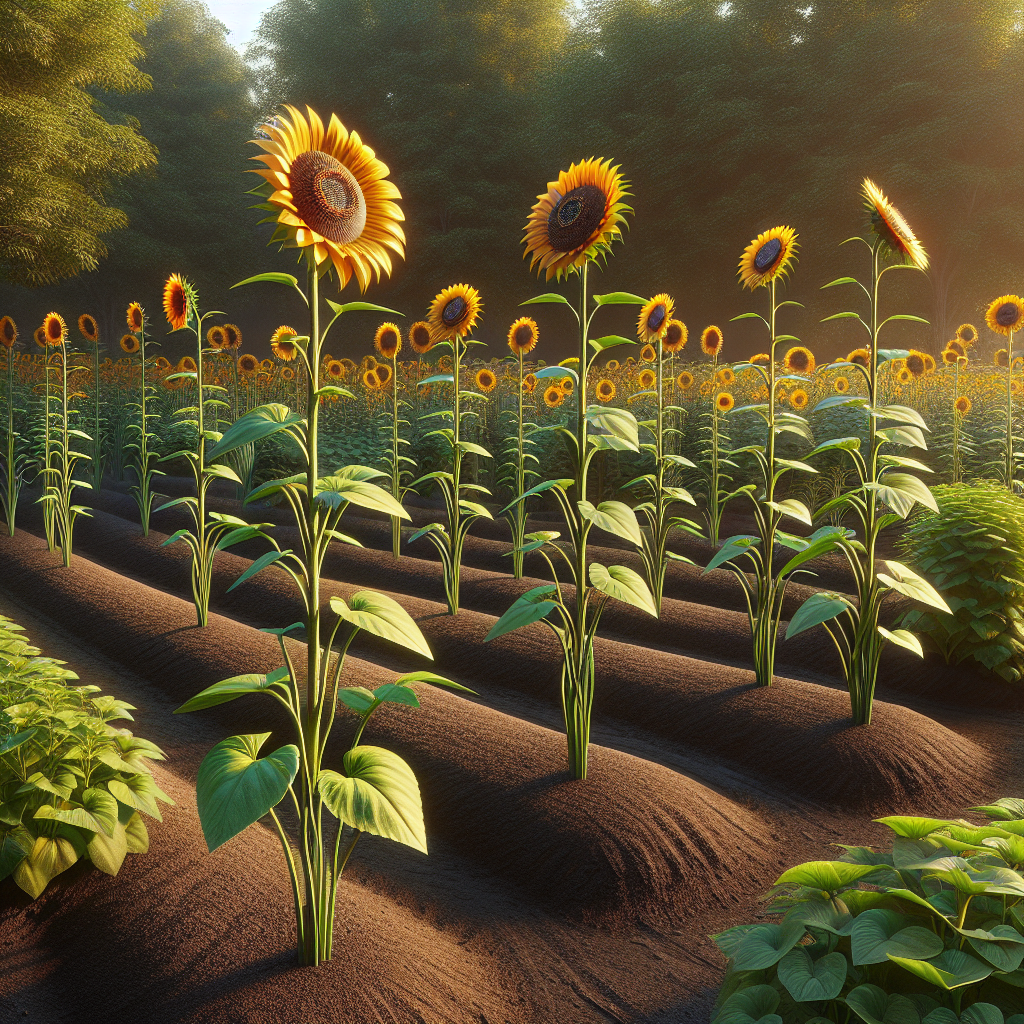
Sunflowers, with their towering stature, vibrant yellow petals, and cheerful disposition, have captivated gardeners and nature enthusiasts alike. If you live in Missouri, these stunning blooms can bring both beauty and bounty to your garden, whether you’re cultivating them for aesthetic reasons or for their seeds. In this article, we will dive deep into the art of planting sunflowers in Missouri, addressing common questions, providing best practices, and exploring the factors that make this endeavor successful.
Why Sunflowers?
Before we dive into the nitty-gritty of planting, let’s understand the allure of sunflowers. Sunflowers (Helianthus annuus) are not just visually striking; they also provide numerous benefits:
-
Pollinator Attractors: Sunflowers are known to attract bees, butterflies, and other pollinators. This can enhance the biodiversity of your garden and improve the pollination of other flowering plants.
-
Food Source: Sunflower seeds are a nutritious food source for both humans and wildlife. You can enjoy the seeds yourself, use them in bird feeders, or even press them for oil.
-
Soil Improvement: Planting sunflowers can help improve soil quality. Their deep root systems can break up compacted soil and improve aeration.
-
Low Maintenance: Sunflowers are relatively easy to grow, making them ideal for both novice and experienced gardeners.
-
Aesthetic Appeal: Standing tall with bright yellow blooms, sunflowers add a touch of charm to any landscape.
Understanding Missouri’s Climate
Before planting sunflowers, it’s essential to understand Missouri’s climatic conditions:
-
Growing Zones: Missouri is primarily in USDA Hardiness Zones 5b to 7a, providing several months of warm weather that is ideal for sunflower growth.
-
Temperature: Sunflowers thrive in warm weather, with optimal germination occurring at temperatures of 70 to 85°F.
-
Rainfall: Missouri experiences a mix of rainfall, making proper watering practices crucial, especially during the heat of summer.
-
Frost: The last frost date in Missouri typically falls between late April to early May, depending on your specific location.
Selecting the Right Variety
One of the first questions you might have is, “Which sunflower varieties are best for Missouri?” Here’s a quick guide to some popular varieties:
-
Mammoth Sunflower: Known for its height and large seed heads, Mammoth sunflowers can grow up to 12 feet tall. They are perfect for creating an impressive display and yield sizable seeds.
-
Teddy Bear Sunflower: This dwarf variety has a bushy habit and double blooms, making it ideal for smaller gardens or container planting.
-
Autumn Beauty: A mix of red, gold, and orange hues, this variety adds a regal touch to your garden and creates a stunning autumn display.
-
Black Oil Sunflower: Commonly grown for its seeds, this variety features a high oil content, making it particularly attractive to birds.
-
Plains Sunflower (Helianthus petiolaris): This native species typically grows in wildflower gardens and natural landscapes, attracting native pollinators.
When to Plant Sunflowers
Another frequently asked question is, “When is the best time to plant sunflowers in Missouri?”
-
Ideal Timing: The ideal time for sowing sunflower seeds in Missouri is anywhere from mid-April to early May, after the last frost date. This period gives your plants plenty of time to grow before the fall frost.
-
Soil Temperature: Check the soil temperature, as it should be at least 70°F for optimal germination.
Preparing the Soil
Healthy soil is the foundation of any successful garden. Here’s how to prepare your soil for sunflower planting:
-
Choose the Right Location: Pick a spot that receives full sunlight for at least 6 to 8 hours a day. Avoid shaded areas as sunflowers require ample sun for optimum growth.
-
Soil Quality: Sunflowers thrive in well-drained loamy soil. If your soil has a high clay content, consider amending it with organic matter, such as compost, to improve drainage and fertility.
-
Soil pH: Ideally, sunflower plants prefer a soil pH between 6.0 and 7.5. You can conduct a soil test to determine your soil’s pH and amend it accordingly.
-
Tilling: Loosen the soil to a depth of about 8 to 12 inches using a rototiller or garden fork. This helps aerate the soil and allows roots to penetrate deeply.
-
Fertilization: Consider incorporating a balanced fertilizer into the soil before planting. Look for a fertilizer with a 10-10-10 NPK (Nitrogen, Phosphorus, Potassium) ratio, but avoid high-nitrogen fertilizers, as they can lead to lush foliage at the expense of blooms.
Planting Techniques
Once your soil is ready, it’s time to plant! Here’s a step-by-step guide:
-
Seed Spacing: Plant sunflower seeds 1 to 2 inches deep and space them 6 to 12 inches apart, depending on the variety. For larger varieties, give at least 12 inches of space.
-
Row Spacing: If planting multiple rows, make sure to space them 2 to 3 feet apart to provide ample room for growth.
-
Direct Sowing: Sunflowers are best directly sown into the ground. Avoid starting seeds indoors, as sunflowers do not transplant well due to their long taproots.
-
Watering: After planting, water your seeds lightly to help with germination. Keep the soil consistently moist until germination occurs, which usually takes about 7 to 10 days.
Caring for Your Sunflowers
Once your sunflowers start to sprout, providing the right care ensures healthy growth. Here are some best practices:
-
Watering: Sunflowers require about 1 inch of water per week. During dry spells, you may need to water more frequently. Always water at the base of the plant to prevent fungal diseases.
-
Mulching: Applying a layer of mulch around your sunflowers can help retain moisture, suppress weeds, and keep the soil temperature stable.
-
Weed Management: Regularly remove weeds surrounding your sunflowers. Consider hand-pulling or using a hoe to avoid disturbing the delicate root systems.
-
Pest Control: While sunflowers are relatively pest-resistant, keep an eye out for aphids, caterpillars, and sunflower beetles. You can handpick pests or use insecticidal soap as needed.
-
Fertilization Post-Growth: Approximately halfway through the growing season, apply a balanced fertilizer to support blooming. Follow the manufacturer’s instructions for application rates.
Harvesting Sunflowers
As summer transitions into fall, you’ll have a rewarding harvest if you planted sunflowers for seeds. Here are tips for harvesting and storing seeds:
-
Timing: Sunflowers are ready to be harvested when the back of their heads turns yellow and the seeds are plump and firm. This typically occurs 70 to 100 days after planting, depending on the variety.
-
Cutting: Use sharp secateurs or a garden knife to cut the flower head, leaving a few inches of stem for handling.
-
Drying: Hang your sunflower heads upside down in a cool, dry place with good airflow. This allows them to dry adequately, preventing mold or decay.
-
Removing Seeds: Once dried, gently rub the flower head to release the seeds. They can also be removed with a comb or tweezers for a more meticulous method.
-
Storage: Store seeds in an airtight container in a cool, dark place. Properly stored seeds can last for several years.
Creating a Sunflower Garden
If you’re looking to establish a sunflower garden as a focal point, consider the following:
-
Design: Arrange sunflowers in clusters for an impactful display or mix them with other flowers for a more natural look.
-
Companion Planting: Planting sunflowers alongside corn or beans can be beneficial as they can provide support for climbing varieties.
-
Wildlife Gardens: Incorporate native Missouri pollinators and other wildlife-friendly plants to create a vibrant ecosystem that benefits local fauna.
Questions and Answers
1. Do sunflowers attract bees?
Yes! Sunflowers are excellent for attracting bees and other pollinators, making them a favorite among gardeners who want to promote biodiversity.
2. Can sunflowers grow in less than full sunlight?
While sunflowers can tolerate partial shade, they thrive best in full sunlight. Less sunlight may hinder their growth and blooming potential.
3. How often should I water sunflowers?
Sunflowers need about 1 inch of water per week. In hotter months, you may need to increase the frequency of watering.
4. Can I plant sunflowers in containers?
Yes, smaller sunflower varieties can be successfully grown in containers. Choose a pot that is at least 12 inches deep to accommodate their root systems.
5. Are sunflowers annuals or perennials?
Sunflowers are typically grown as annuals, meaning they complete their life cycle in one growing season. However, some perennial varieties do exist.
6. What are some common pests for sunflowers?
Common pests include aphids, sunflower beetles, and caterpillars. Regular monitoring can help you catch infestations early.
7. When is the best time to harvest sunflowers?
Sunflowers are best harvested when the heads turn yellow, and the seeds are firm. This usually occurs in late summer to early fall.
Conclusion
Planting sunflowers in Missouri is not just a delightful gardening project; it’s an opportunity to engage with nature, attract pollinators, and enjoy the satisfaction of nurturing a vibrant, towering flower. With their stunning aesthetics, various uses, and adaptability to Missouri’s climate, sunflowers can enrich your garden—and your life.
Whether you are an experienced gardener or just starting, the sunflowers’ bright faces reaching toward the sky will certainly bring a smile to your face. Armed with this knowledge, you’re ready to embark on your sunflower gardening journey, so grab your seeds, and let’s get planting!