
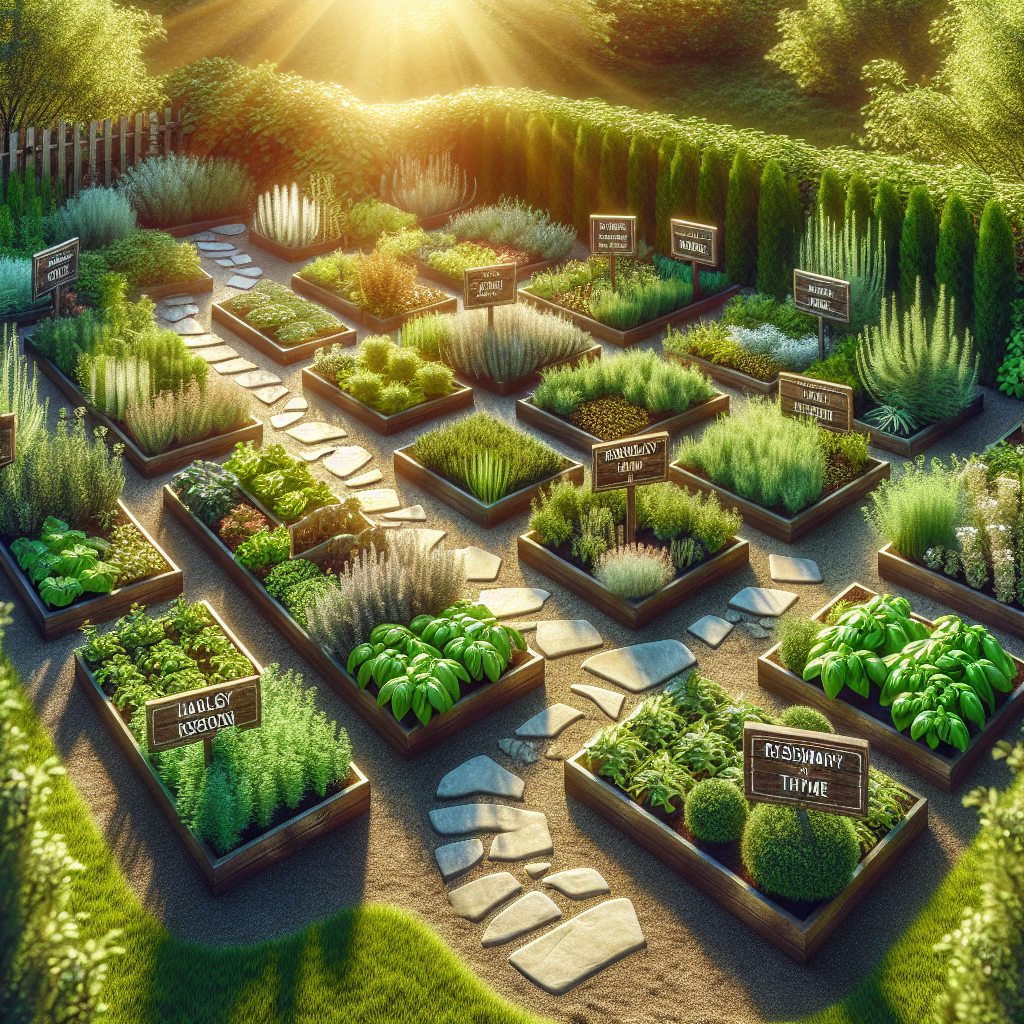
Creating a culinary herb garden is more than just planting seeds in the ground; it’s an art form that marries creativity with agricultural science. Designing an efficient and aesthetically pleasing layout will not only enhance your gardening experience but will also yield vibrant, flavorful herbs that can elevate your culinary creations. In this comprehensive guide, we’ll explore the intricacies of culinary herb garden layouts, answering common questions and providing insights that will empower you to create your personal herb haven.
Why Grow a Culinary Herb Garden?
The benefits of growing a culinary herb garden extend beyond the joys of cooking. Fresh herbs elevate flavors, adding depth and complexity to various dishes. They also offer health benefits, as many herbs are rich in nutrients, vitamins, and antioxidants. Furthermore, cultivating your own herbs can save you money and reduce your carbon footprint. Fresh ingredients straight from your garden mean you have control over what goes into your food, making it not only a tasty endeavor but a healthy one as well.
Common Questions About Culinary Herb Garden Layout
-
What is the best location for a culinary herb garden?
- The ideal location for a culinary herb garden should receive a minimum of 6-8 hours of direct sunlight per day. Look for a space that has good drainage and is sheltered from strong winds.
-
What are the best herbs to grow?
- Some popular culinary herbs include basil, parsley, rosemary, thyme, mint, oregano, and cilantro. Your choice largely depends on your cooking preferences, climate, and the space available.
-
How should I layout my herb garden for aesthetics and functionality?
- Consider a layout that divides herbs into zones based on their sunlight and water needs. Aesthetic factors such as height, color, and texture should also influence your design.
Culinary Herb Garden Layout Ideas
1. Traditional Row Garden
The traditional row garden is one of the most straightforward layouts, ideal for those new to gardening. This design involves planting herbs in straight rows, which allows for easy access and maintenance.
Pros:
- Simple and efficient
- Easy to manage pest control
- Facilitates routine maintenance like watering and weeding
Cons:
- Limited aesthetic appeal
- May restrict growing more diverse crops unless you have enough space
Best Practices:
- Space rows about 24 inches apart to allow for easy navigation.
- Use a trellis for vertical herbs like climbing varieties of peas or support for taller herbs like Basil.
- Regularly amend the soil with organic compost to keep nutrient levels high.
2. Raised Bed Garden
Raised beds offer improved drainage and soil conditions, making them a favorite among seasoned gardeners. By constructing wooden or stone boxes filled with quality soil, you can create a more controlled growing environment.
Pros:
- Excellent drainage
- Better soil quality control
- Reduced soil compaction
Cons:
- Requires initial investment in materials
- May require more frequent watering, especially in hot climates
Best Practices:
- Create beds that are no wider than 4 feet to ensure easy access to all plants.
- Position taller herbs like dill or fennel at the back of the bed to prevent shade on shorter herbs such as chives and thyme.
- Use soil specifically formulated for herb gardens, typically rich in organic matter.
3. Spiral Herb Garden
The spiral garden layout is as functional as it is aesthetic. This design utilizes space efficiently while creating a visually striking feature. A spiral involves mounding soil into a circular shape, allowing you to stack herbs vertically.
Pros:
- Maximizes space
- Offers different microclimates within a small area
- Aesthetically pleasing
Cons:
- Can be labor-intensive to create
- May require more planning and design
Best Practices:
- Use materials like stones or bricks to outline your spiral, which also adds to the garden’s visual appeal.
- Plant herbs that prefer full sun at the top of the spiral, while those that tolerate shade can be placed lower down, creating a gradient effect.
- Incorporate edible flowers for added beauty and functionality. Flowers like nasturtium or calendula provide excellent companion plants that deter pests.
4. Vertical Herb Garden
If space is limited, a vertical herb garden can still provide you with a bounty of fresh greens. This design utilizes wall-mounted containers, towers, or shelves to grow herbs upwards rather than outwards.
Pros:
- Space-saving
- Easy to maintain and harvest
- Simple to integrate into patios or balconies
Cons:
- Limited to smaller herb varieties
- Requires regular watering and soil maintenance
Best Practices:
- Choose lightweight pots made from materials like plastic or fiberglass to reduce stress on the supporting structure.
- Opt for trailing herbs like thyme or oregano at the top and vertical-growers like basil lower down.
- Install a drip irrigation system to ensure even watering.
Planting and Caring for Your Culinary Herb Garden
When Should You Plant Your Herbs?
Most culinary herbs are best planted in the spring after the last frost date in your area. However, many herbs like parsley and cilantro can also be planted in the fall as they thrive in cooler temperatures.
How to Care for Your Herbs?
Proper care includes watering, pruning, and monitoring for pests. Here are some tips:
- Watering: Herbs generally prefer well-drained soil and don’t need to be constantly soaked. Water them consistently but avoid waterlogging.
- Pruning: Regular pruning encourages new growth. Cut herbs back to avoid flowering, as flowering can alter flavor.
- Pest Monitoring: Watch for pests such as aphids and spider mites. Natural remedies include insecticidal soap or neem oil.
Companion Planting: Pairing Herbs for Success
Companion planting is a great strategy that can enhance the health and flavor of your herb garden. Some excellent combinations include:
- Basil and Tomatoes: Basil improves the flavor of tomatoes while repelling pests.
- Chives and Carrots: Chives deter carrot flies, benefiting your root vegetables.
- Mint and Cabbage: Mint can repel cabbage moths, making your cauliflowers and cabbages healthier.
How to Harvest Herbs?
Knowing when and how to harvest your herbs is crucial for maintaining flavor and promoting growth. Here’s what you need to know:
- Timing: The best time to harvest herbs is early in the morning after the dew has dried. This ensures maximum flavor concentration.
- Method: Use clean, sharp scissors or herb shears to snip stems. Avoid tearing, which can damage the plant.
- Don’t Overharvest: Ensure you leave enough leaves for the plant to thrive, generally about one-third of the plant’s total mass should be left intact.
Aesthetics and Practicality: Enhancing Your Herb Garden Layout
Designing an aesthetically pleasing garden can lead to greater enjoyment and enhance its functionality. Here are some tips to consider when thinking about how to make your herb garden not only effective but beautiful as well:
Color and Texture
- Mixing herbs with varying shades of green adds depth to your garden. Consider bright yellow-green lemon balm or purple basil to add color.
- Fragrant herbs like rosemary and mint provide not just culinary benefits but also sensory enjoyment as your garden activates your sense of smell.
Paths and Accessibility
- Create clear pathways between rows or beds with mulch, stones, or wood chips. It’s both practical and enhances visual appeal.
- Ensure that rows are wide enough for easy movement, especially if using a wheelchair or if you plan to carry tools while maintaining the garden.
Decorative Features
- Incorporate decorative items such as trellises, birdbaths, or ornamental stones that complement your herbs.
- Use garden labels that are not only functional but also serve as decorative elements. Rustic wooden markers can add a charming touch.
Seasonal Considerations
Spring and Summer: The Growing Season
During the spring and summer months, your herbs will be thriving. Ensure regular watering, ideally in the morning, to avoid evaporation losses. Supplement with organic fertilizers to promote healthy, vigorous growth.
Fall: Preparing for Dormancy
As temperatures cool, monitor the growth of summer herbs. Use this time to clear out any dead or overgrown plants. Consider harvesting and drying excess herbs to enjoy throughout the winter months.
Winter: Indoor Herbs
In colder regions, consider bringing potted herbs indoors or starting an indoor herb garden. A sunny kitchen windowsill can be an ideal location. Herbs like basil and thyme continue to flourish indoors with adequate light and warmth.
Conclusion: Your Culinary Herb Garden Awaits
Designing a culinary herb garden is an exciting project that combines creativity, agriculture, and culinary adventure. Whether you opt for a traditional row layout, a raised bed garden, or a vertical herb garden, the key is to create a space that reflects your personality and meets your culinary needs.
Growing your own herbs not only brings the joy of fresh flavors to your kitchen but also fosters a deeper connection with your food and nature. Your garden will thrive with proper planning, care, and creativity. Each herb will be an element of your culinary artistry, ready to be explored and utilized in countless delectable dishes.
Embark on this journey and transform your garden into a vibrant, productive herb sanctuary. It might just change the way you cook, eat, and connect with your food forever. Get started today—your taste buds will thank you!