
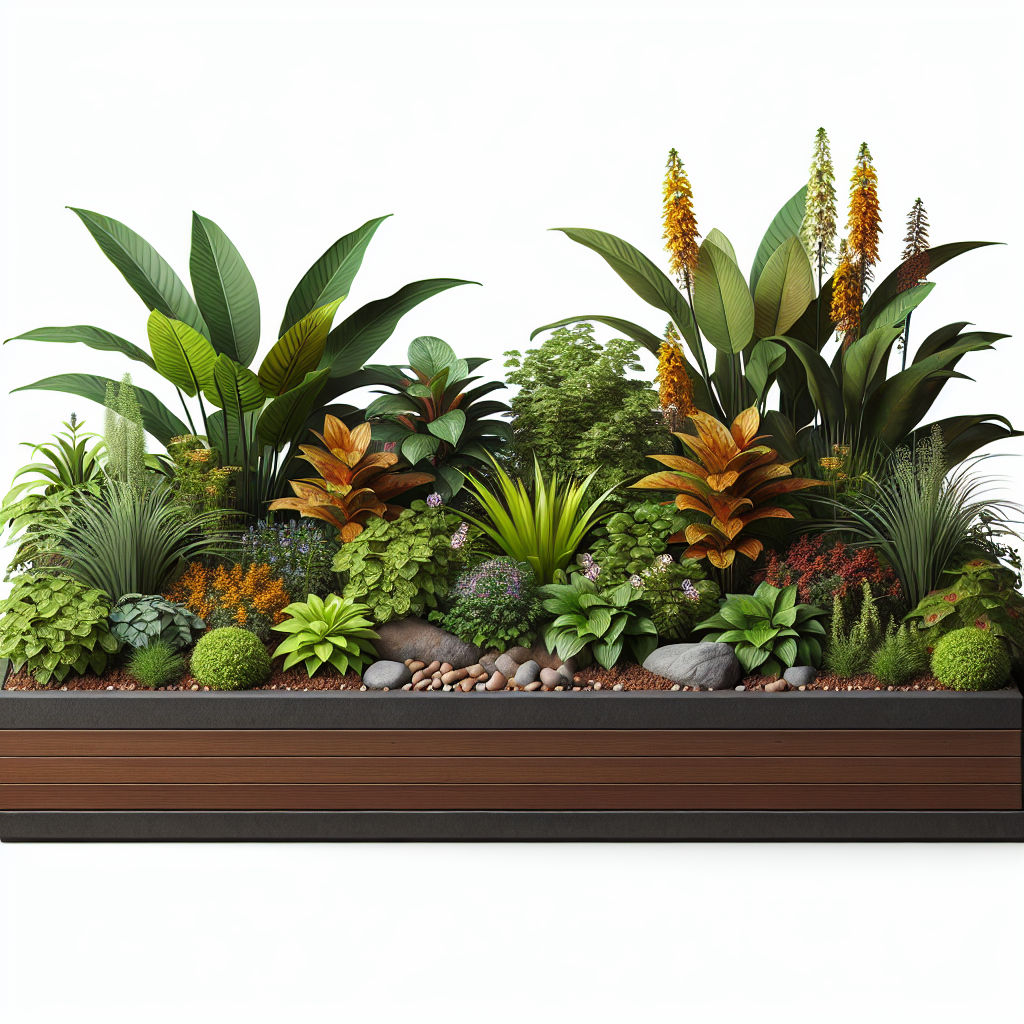
Gardening has seen a remarkable resurgence in recent years, with more people expressing a desire to cultivate their own green spaces, even when limited by size or location. One of the most versatile and efficient choices for small gardens, balconies, patios, and urban settings is the rectangular planter. This article delves deep into what to plant in rectangular planters, suitable combinations, care techniques, and answers frequently asked questions to help you maximize your gardening experience.
Understanding Rectangular Planters
What Are Rectangular Planters?
Rectangular planters are long, box-like containers that can vary in size and material. Made from wood, metal, plastic, or ceramic, they provide ample space for plants while fitting seamlessly into any garden style—be it contemporary, rustic, or minimalist.
Advantages of Rectangular Planters
- Space Efficiency: Ideal for small spaces or narrow areas where traditional garden beds are not feasible.
- Mobility: Easier to move compared to larger garden beds, allowing you to experiment with different placements for sunlight and aesthetics.
- Soil Management: You have complete control over the soil and drainage, ensuring optimal growing conditions.
- Design Versatility: Can be used as decorative elements, enhancing the overall landscape aesthetics.
What to Plant in Rectangular Planters
When selecting plants for rectangular planters, it’s essential to consider a few aspects, such as climate, sunlight exposure, soil type, and aesthetic preferences. Here’s a categorized approach to choosing the right plants.
1. Herbs
Herbal gardening in rectangular planters is a worthy investment, as it allows continuous access to fresh flavors right from your kitchen.
Popular Herbs to Plant:
- Basil: Thrives in sunny conditions; great for Mediterranean dishes.
- Parsley: A versatile herb that can tolerate partial shade.
- Mint: Grows vigorously—consider using a separate container to prevent spreading.
- Chives: Requires full sun and can be harvested repeatedly.
- Rosemary: Loves warmth and well-drained soil.
Companion Planting Tips: Herbs like basil work excellently with tomatoes. Creating a planter dedicated to both can maximize space and yield.
2. Vegetables
Growing your own vegetables is not only rewarding but also promotes a healthy lifestyle.
Best Vegetables for Rectangular Planters:
- Tomatoes: Require ample sunlight; choose determinate varieties for limited space.
- Lettuce and Greens: Quick-growing and can be harvested multiple times.
- Radishes: Fast-growing and great for early spring planting.
- Peppers: Both sweet and hot varieties flourish in warm conditions.
- Carrots: Opt for shorter varieties to fit space.
Layering Technique: Planting taller crops (like tomatoes) with shorter crops (like radishes and lettuce) can maximize growth in a rectangular planter.
3. Flowers
Adding flowers to your rectangular planters not only beautifies your space but also attracts pollinators.
Flowers to Consider:
- Petunias: Colorful, trailing varieties can spill over the edges.
- Marigolds: Great for pest control; vibrant blooms brighten the planter.
- Pansies: Cool-weather favorites that add early spring color.
- Lavender: Fragrant and drought-resistant; attracts bees.
- Zinnias: Colorful and easy to grow, providing constant blooms.
4. Fruits
Even limited spaces can yield delicious fruits with the right selections.
Fruits to Grow:
- Strawberries: Perfect for rectangular planters; can even be grown vertically.
- Dwarf Citrus Trees: Varieties such as calamondin are suitable for containers.
- Blueberries: Require acidic soil and offer high yields in pots.
- Raspberries: Opt for compact or bush varieties to fit within boundaries.
5. Succulents and Cacti
Low-maintenance and drought-tolerant, succulents and cacti are excellent for warm, sunny areas.
Succulent Choices:
- Aloe Vera: Consider healing properties and versatile usability.
- Echeveria: Attractive rosettes ideal for decoration.
- Hens and Chicks: Mounding plants that thrive in containers.
6. Mixed Plantings
Combining plants can create visually appealing arrangements, as well as enhance plant health through compatibility.
Successful Arrangements:
- Mediterranean Mix: Tomatoes, basil, and marigolds for a classic look.
- Herb Spiral: Create a staggered height planter with thyme, rosemary, chives, and mint.
- Pollinator Paradise: Combine nectar-rich flowers like zinnias with fragrant herbs to attract bees.
Best Practices for Planting in Rectangular Planters
1. Soil Selection
The success of your plants begins with good soil. Use a high-quality potting mix specifically designed for container gardening. This soil will have the necessary drainage, aeration, and nutrients for your plants. Look for features like:
- Good drainage (perlite or vermiculite is often included).
- Organic matter for plant health.
2. Watering
Proper watering is crucial, especially in a drainage-constrained environment.
- Frequency: Monitor soil moisture; usual guidance is to check daily, especially in warmer weather.
- Technique: Water thoroughly until it drains from the bottom.
3. Fertilization
Container plants can deplete nutrients quickly, necessitating regular fertilization.
- Organic options: Use compost or well-rotted manure for slow-release nutrients.
- Liquid fertilizers: Applied every few weeks can benefit heavy feeders.
4. Sunlight Requirements
Most vegetables and flowers prefer full sun (6-8 hours daily), while some herbs can tolerate partial shade. Be mindful of positioning your rectangular planters according to plant needs.
5. Pest Management
Regular monitoring can prevent larger infestations.
- Physical barriers: Can protect plants from pests.
- Companion plantings: Like marigolds can repel pests naturally.
6. Seasonal Adjustments
Rectangular planters can accommodate seasonal variations. Plan your plantings according to the season:
- Spring: Plant cool-weather crops like lettuce and peas.
- Summer: Transition to heat-loving plants like tomatoes and peppers.
- Fall: Consider planting fall vegetables, such as kale or squash.
Frequently Asked Questions
1. Can I use regular garden soil in my rectangular planters?
Answer: Using garden soil is generally not recommended due to its density, which can lead to poor drainage. It’s best to use a lightweight potting mix.
2. What if I want to grow deep-root crops like carrots or potatoes?
Answer: Ensure your rectangular planter is deep enough (at least 12 inches). Utilize vertical gardening techniques for potatoes, and make sure to choose shorter carrot varieties.
3. Can I plant annuals and perennials together?
Answer: Yes! Just keep in mind that perennials will die back in winter, while annuals will not return. Design your planter with that in mind; consider planting annuals around the base of the perennial for added summer blooms.
4. How do I ensure good drainage?
Answer: Ensure your rectangular planter has drainage holes; if not, consider placing a few stones or gravel at the bottom of the planter to promote drainage.
5. Is it possible to grow large trees in rectangular planters?
Answer: While some dwarf varieties of fruit trees may work, larger trees typically need more space. Always check the mature size of plants before planting in confined spaces.
6. How do I keep my planters looking good throughout the season?
Answer: Regular maintenance, such as deadheading flowers, pruning vegetables, and rotating crops seasonally, will keep your planter looking attractive.
7. Can I grow plants indoors in rectangular planters?
Answer: Absolutely! Just be mindful of providing ample light, either through sunlight or grow lights. Ensure good air circulation to prevent mold.
Conclusion
Gardening in rectangular planters is not only a practical choice for limited spaces but also allows for creativity and experimentation. From herbs and vegetables to beautiful blooms and fruits, the options are vast and exciting. With careful planning and an understanding of your plant’s needs, even the smallest of spaces can become a vibrant sanctuary filled with life.
As you embark on your gardening journey, remember to embrace the process. Each planting season presents new lessons, joys, and the anticipation of watching life bloom before your eyes. Happy gardening!