
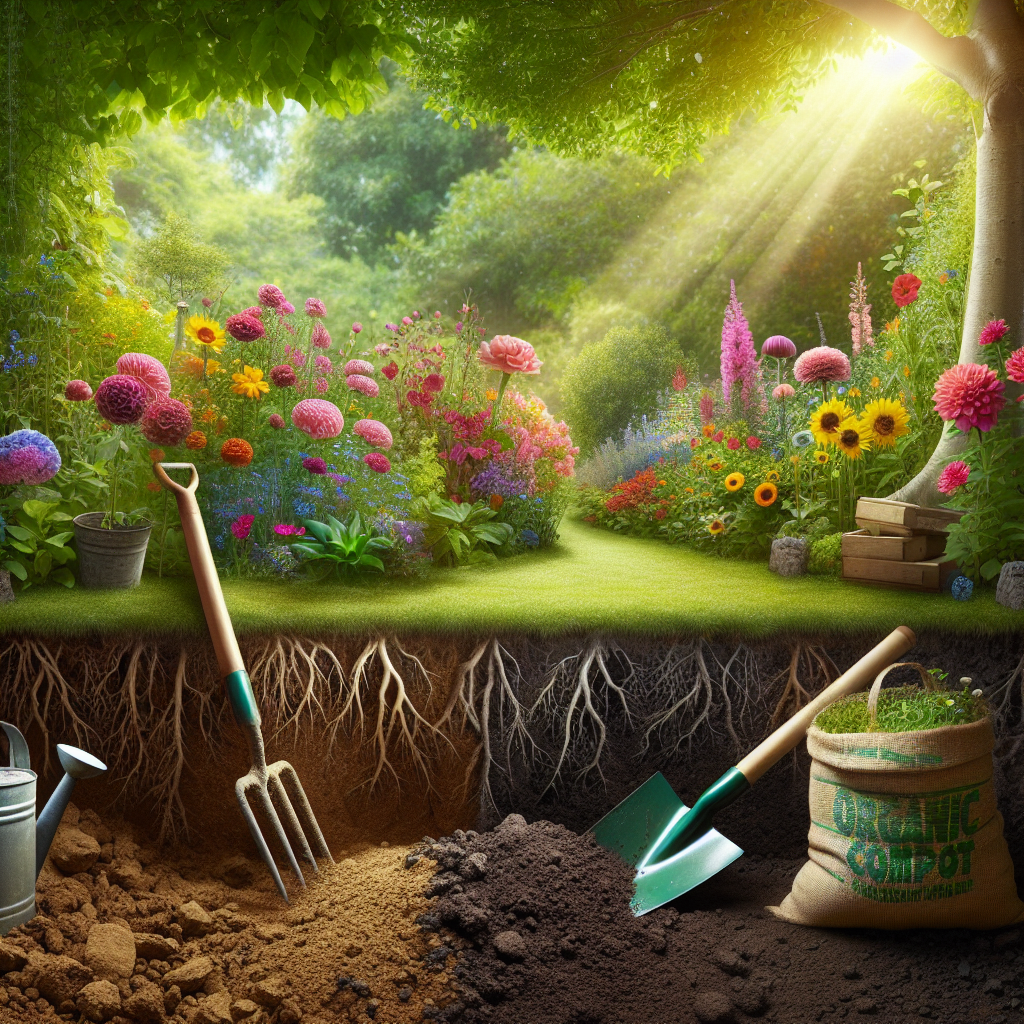
If you’ve ever dug into your garden soil and been met with sticky, heavy earth that clogs your tools and resists your efforts, you’re not alone. Clay soil is a common concern among gardeners, and while it presents challenges, it also offers unique advantages if handled appropriately. In this comprehensive guide, we’ll delve deep into the world of clay soil gardening, answering common questions, offering solutions, and providing tips to help you create a flourishing garden even in the stickiest of situations.
Understanding Clay Soil
What is Clay Soil?
Clay soil consists of small particles that are tightly packed together. These particles have a high surface area, which allows them to retain moisture and nutrients but can also make it difficult for roots to penetrate and for water to drain. When wet, clay soil can easily become compacted, creating a dense environment that can suffocate plant roots.
What are the Characteristics of Clay Soil?
- Texture: Clay soil feels sticky when wet and can be formed into a ball. When dried, it becomes hard and may crack.
- Drainage: Poor drainage is a hallmark of clay soil, leading to waterlogged conditions that can harm plant roots.
- Nutrient Retention: It holds nutrients well due to its tiny particle size and high cation exchange capacity.
- Temperature Fluctuations: Clay heats up slowly in the spring and retains heat well into the fall.
Why Opt for Clay Soil Gardening?
While clay soil is often viewed negatively, there are substantial benefits that it can offer:
- Nutrient-Rich: Clay soil holds nutrients better than sandy soils, meaning once plants establish roots, they have access to a wealth of food.
- Moisture Retention: Its ability to retain moisture can mean less frequent watering and reduced drought stress during dry spells.
- Carbon Sequestration: Clay soils are effective at carbon storage, which plays a vital role in combating climate change.
Common Challenges in Clay Soil Gardening
Before we explore solutions and strategies for successfully gardening in clay soil, let’s tackle the common challenges you might face:
1. Poor Drainage
Water often pools in clay soil, leading to root rot and other disease problems.
2. Compaction
Heavy clay can become compacted, making it difficult for roots to grow and water to penetrate.
3. Slow Warming
Clay soils retain moisture and heat differently, leading to later planting dates in the spring.
4. Limited Aeration
Roots may struggle to access the oxygen needed for healthy growth due to compacted conditions.
Strategy 1: Improving Drainage
How Do You Improve Drainage in Clay Soil?
-
Add Organic Matter: Regularly incorporating compost, well-rotted manure, or leaf mold enhances soil structure and increases drainage.
- Why? Organic matter improves aeration and aggregation of soil particles, creating space for water to flow.
-
Create Raised Beds: Building raised garden beds can help alleviate drainage issues by elevating your plants above the compacted soil.
- Why? This allows excess water to naturally drain away, promoting healthy root growth.
-
Install Drainage Systems: If waterlogging is severe, consider a more permanent solution by installing a drainage system with perforated pipes.
- Why? This can efficiently redirect excess water away from plant roots.
How Can You Tell if Your Soil Drains Well?
Perform a simple drainage test:
- Dig a hole about 12 inches deep.
- Fill it with water and let it drain completely.
- Refill it and time how long it takes to drain.
If it takes longer than 24 hours, your soil likely struggles with drainage.
Strategy 2: Amending Compacted Clay Soil
What are Effective Ways to Amend Compacted Clay Soil?
-
Aeration:
- Use a garden fork to aerate compacted areas, breaking up the soil and encouraging air and water movement.
-
Utilize Gypsum:
-
Gypsum can help break down clay particles and improve soil structure over time.
-
How much to use? Generally, around 1-2 pounds per 100 square feet, depending on soil conditions.
-
-
Add Organic Mulch:
- Mulching with wood chips, straw, or grass clippings can protect soil structure and counteract compaction over time.
What Tools Can Help?
- Garden Fork: A great tool for loosening compacted soil without turning it over too much.
- Aerator Shoes: These fit over your shoes and help aerate the soil as you walk.
Strategy 3: Plant Selection
What Types of Plants Thrive in Clay Soil?
Certain plants are more tolerant of dense, clayey conditions:
- Perennials: Many native perennials like coneflowers, black-eyed Susans, and daylilies thrive in clay soil.
- Vegetables: Consider planting brussels sprouts, beets, or carrots, all known for flourishing in heavier soils.
- Shrubs: Try forsythia, hydrangeas, or boxwood, as these shrubs adapt well to a variety of soil types.
How Can You Find the Best Plants for Your Region?
- Local Extension Services: Consult your local cooperative extension office or garden center for recommendations based on local climates and soil conditions.
- Online Gardening Resources: Websites like the USDA Plant Hardiness Zone Map can provide insight into suitable plant varieties for your zone.
Strategy 4: Fertility Management
How Do You Naturally Boost Soil Fertility?
-
Composting:
- Composting kitchen scraps, yard waste, and other organic materials enriches the soil with vital nutrients.
-
Cover Crops:
- Planting cover crops like clover or winter rye can improve soil health and fertility through their root systems and decaying biomass.
When Should You Amend Soil?
- Fall and Spring: Late fall amendments give soil time to integrate before planting, while spring amendments enhance fertility just in time for growing.
Strategy 5: Watering Techniques
What are Recommended Watering Techniques for Clay Soil?
-
Deep Watering:
- Apply water slowly to allow it to soak deep into the soil rather than running off the surface.
-
Drip Irrigation:
- A drip irrigation system can target the root zone and minimize water waste in clay soils.
How Often Should You Water?
Monitor the weather and adjust watering frequency accordingly. Here’s a simple guideline:
- In drought: Water deeply once a week to ensure moisture reaches roots.
- After heavy rain: Allow soil to dry for a few days before watering to prevent further saturation.
Strategy 6: Seasonal Planting and Maintenance
When is the Best Time to Plant in Clay Soil?
- Early Spring and Fall: These seasons generally provide the best planting conditions as temperatures are moderate, and moisture is consistent.
How Can You Maintain a Healthy Clay Soil Garden Year-Round?
-
Seasonal Maintenance:
- Regularly add organic matter in spring and fall to build soil structure and fertility.
-
Don’t Trample:
- Avoid walking on garden beds when the soil is wet to prevent additional compaction.
Conclusion: Embrace Your Clay Soil Garden
Gardening in clay soil may present certain challenges, but understanding and embracing its unique qualities will lead to a thriving garden. With the right strategies—including improving drainage, amending the soil, choosing the right plants, practicing effective watering techniques, and maintaining organic health—you can transform your clay soil into a nurturing and productive growing environment.
Frequently Asked Questions
-
Can I change clay soil to sandy soil?
- While you may improve clay soil significantly, completely changing it to sandy soil is impractical. Focus instead on amending and optimizing the clay.
-
Is it possible to grow in pure clay?
- Yes, certain plants can grow in pure clay, but your success rate will be much higher with amended clay soil.
-
How often should I test my soil?
- It’s advisable to test your soil every few years or when you notice any issues with plant health.
-
Will earthworms help improve clay soil?
- Absolutely! Earthworms naturally aerate the soil, and their castings improve nutrient content.
-
Can I grow a successful vegetable garden in clay soil?
- Yes! With proper attention to drainage, fertility, and plant choice, a productive vegetable garden can thrive.
Building a vibrant clay soil garden may require some extra effort, but the rewards of lush plants and rich produce are well worth it. With patience and persistence, your garden can flourish into a green oasis, serving as a delightful space for you and your family to enjoy! Happy gardening!