
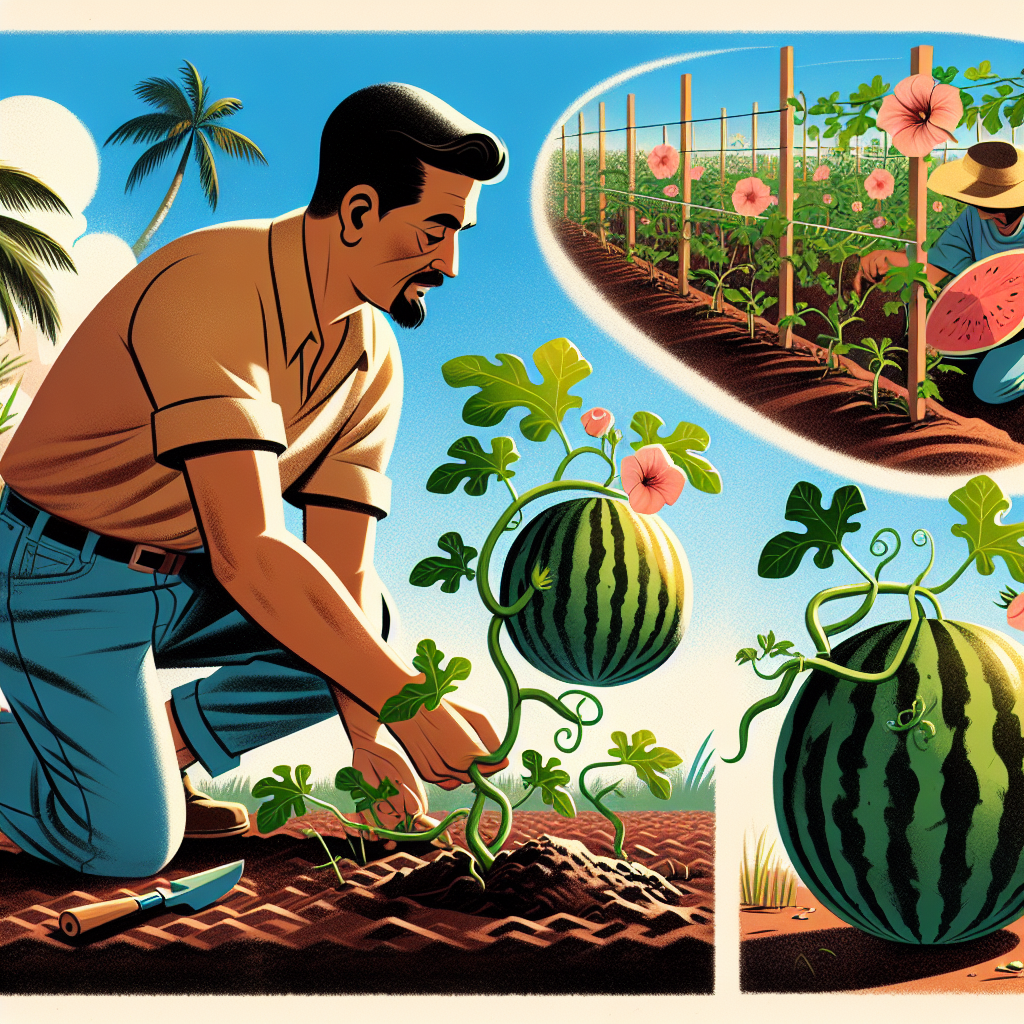
Watermelon (Citrullus lanatus) is the quintessential summer fruit, beloved for its refreshing taste, hydrating properties, and vibrant color. Few things evoke the warmth of a Florida summer more than a slice of watermelon shared among friends and family. However, to enjoy a bountiful harvest of this sweet delight, timing is key. In this comprehensive guide, we’ll break down the best practices for planting watermelon in Florida, answering your burning questions along the way.
Why Watermelon?
Before we dive into the specifics of planting watermelon in Florida, let’s explore why this delicious fruit deserves a spot in your garden. Watermelon is not just a farmer’s market staple; it boasts numerous health benefits. Rich in vitamins A and C, alongside hydrating properties, it’s a guilt-free indulgence. Growing your own can also cut costs and guarantee freshness, ensuring you get the best flavor possible.
Understanding Florida’s Climate
Florida’s unique climate plays a crucial role in determining the best time for planting watermelon. The Sunshine State is characterized by its subtropical to tropical climate, with long, hot summers and relatively mild winters. With this knowledge in mind, let’s answer some of your most pressing questions.
When to Plant Watermelon in Florida?
Ideal Planting Dates
-
Spring Planting: The best time to plant watermelon in Florida is during the spring months, specifically from mid-March to early May. However, the optimal timing can vary slightly depending on the specific region:
- Southern Florida: Mid-March to mid-April.
- Central Florida: Late March to late April.
- Northern Florida: Early April to early May.
-
Fall Planting: Florida’s climate allows for a secondary planting window in late summer through early fall (typically from July to early August). Fall planting can be particularly rewarding in areas that have a prolonged warm season.
Temperature Considerations
Watermelons thrive best in warm soil—ideally between 70°F to 95°F. Soil temperature can be a more critical factor than air temperature. Use a soil thermometer to ensure consistency. For optimal germination, aim for soil temperatures above 70°F.
Why Is Timing So Important?
The timing of planting watermelon is crucial for several reasons:
-
Frost Protection: Watermelon is sensitive to frost. Planting too early in the season can expose plants to unexpected cold snaps.
-
Pollination: Pollinators like bees are more active in warmer weather. Timing your planting to coincide with their activity is essential for good fruit set.
-
Harvesting: Watermelons typically take 70 to 90 days to mature. Planting at the right time allows you to harvest before any potential fall cold fronts.
Frequently Asked Questions
1. What Variety of Watermelon Should I Plant in Florida?
Florida gardeners have the luxury of choosing from a variety of watermelon types that thrive in the region’s heat. Consider the following popular varieties:
-
Seedless Varieties: Varieties like ‘Crimson Sweet’ and ‘Sugar Baby’ are popular for their great flavor and sweet, juicy flesh.
-
Heirloom Varieties: ‘Moon and Stars’ and ‘Black Diamond’ not only taste great but also add aesthetic beauty to your garden with their unique appearances.
-
Miniature Varieties: For smaller spaces, consider ‘Icebox’ watermelons that typically weigh between 5 to 10 pounds.
2. How Should I Prepare My Soil?
Soil preparation is vital for growing watermelon:
-
Soil Type: Watermelon thrives in well-draining, sandy loam soil. Clay-heavy soils should be amended with compost or peat moss to improve drainage.
-
pH Level: Aim for a soil pH of 6.0 to 6.8. You can test your soil using a home testing kit or by sending a sample to a lab for a comprehensive analysis.
-
Nutrients: Prior to planting, incorporate well-rotted organic matter or fertilizer high in phosphorus and potassium to support root development and fruit production.
3. Should I Start Seeds Indoors or Directly in the Garden?
Starting seeds indoors can give you a jumpstart, especially in northern Florida where the growing season is shorter:
-
Indoor Germination: Plant seeds indoors about 4-6 weeks before the last expected frost date. Use biodegradable pots to reduce transplant shock.
-
Direct Sowing: For the rest of Florida, you can opt for direct sowing into prepared garden beds once soil temperatures are consistently above 70°F.
4. How Much Space Do Watermelons Need?
Watermelon plants are sprawling by nature. Providing adequate space is crucial for airflow, light, and nutrient uptake:
- Spacing: If planting seeds directly, space them about 36 to 48 inches apart in rows that are 6 to 8 feet apart. Use the same spacing for transplants.
5. How Often Should I Water Watermelon?
Watermelons require consistent watering, especially during their flowering and fruit-set stages. However, overwatering can lead to root rot:
-
Frequency: Aim to provide about 1 to 2 inches of water per week. Irrigate deeply but infrequently. This encourages deep root growth.
-
Mulching: Use organic mulch to retain soil moisture and suppress weeds. This can be especially beneficial during peak summer heat.
6. What Pests and Diseases Should I Be Aware Of?
Pests and diseases can be substantial challenges for watermelon growers. Here are a few common threats along with preventive measures:
-
Aphids and Cucumber Beetles: These pests can damage plants and introduce diseases. Use insecticidal soap or neem oil as preventative measures.
-
Powdery Mildew and Wilts: Ensure proper airflow around plants and avoid overhead watering to minimize disease risk.
7. How Will I Know When My Watermelons are Ready to Harvest?
Harvesting at the right time is crucial for achieving the best flavor. Keep an eye on the following indicators:
-
Color Change: The belly spot (where the watermelon sits on the ground) should turn from white to a creamy yellow.
-
Vine Drying: When the tendril closest to the fruit turns brown and dries up, it indicates the watermelon is nearing ripeness.
-
Sound Test: When you gently tap the watermelon, a hollow sound indicates it’s ripe and ready for harvest.
Best Practices for Growing Watermelon
1. Planting Techniques
-
Mound Planting: Consider planting watermelons in mounds or hills. This improves drainage and warms the soil faster. Create mounds about 6 to 12 inches high and space them as recommended.
-
Companion Planting: Include companion plants like corn, which helps with cross-pollination, or marigolds, which deter pests.
2. Fertilization
-
First Fertilization: Apply fertilizer high in nitrogen about 2-4 weeks after planting when seedlings are established.
-
Second Fertilization: Switch to fertilizer high in phosphorus and potassium as the plants begin to flower.
3. Pollination
To ensure a fruitful harvest, attracting pollinators is essential:
-
Plant Flowers: Include flowers like sunflowers or borage nearby to draw in bees.
-
Hand Pollinating: If necessary, hand-pollinate flowers by transferring pollen from male to female flowers using a small brush.
Troubleshooting Common Issues
1. Poor Fruit Development
If your watermelons are failing to develop properly:
- Check for adequate pollination.
- Ensure proper watering techniques are being followed.
- Review nutrient levels and adjust fertilizer accordingly.
2. Blossom End Rot
If you notice dark spots at the bottom of your watermelons, it may indicate blossom end rot, often due to inadequate calcium or inconsistent watering:
- Ensure consistent moisture and consider adding lime to improve calcium levels.
Conclusion
Planting watermelon in Florida is a rewarding endeavor that can bring vibrant colors and delectable flavors to your summer table. With its unique growing conditions, it’s vital to understand when and how to plant for optimal results. By following the tips and techniques outlined in this guide, you can enjoy a successful watermelon crop in your garden.
So get your seeds ready, prepare your soil, and look forward to the delicious days of summer filled with the sweetest, juiciest watermelons you’ve ever tasted! Enjoy the hydrating delight of your home-grown watermelons and make those sunny days in Florida even more special. Happy gardening!