
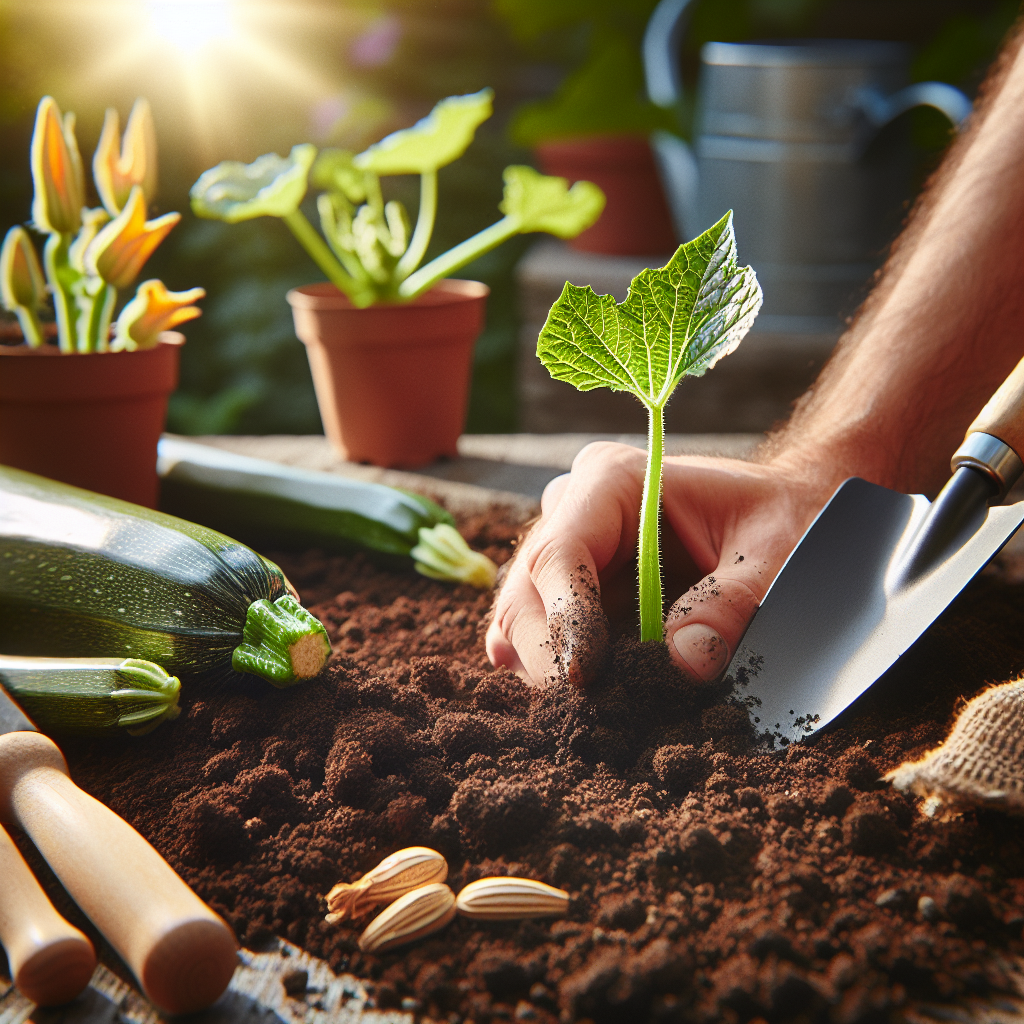
Zucchini, a favorite among gardeners and culinary enthusiasts alike, is not only a versatile vegetable but also a rewarding crop to grow in home gardens. For the state of Texas, with its diverse climates ranging from humid subtropical in the east to arid and semi-arid in the west, timing is crucial when it comes to planting zucchini. This comprehensive guide will walk you through everything you need to know about planting zucchini in Texas, providing insights, tips, and frequently asked questions to ensure that your zucchini plants thrive.
Table of Contents
-
Understanding Zucchini and Its Growing Requirements
- What is Zucchini?
- What are the Ideal Growing Conditions?
-
When to Plant Zucchini in Texas
- Overview of Texas Growing Seasons
- Optimal Planting Dates by Region
- How to Determine Frost Dates
-
Preparing Your Garden for Zucchini
- Choosing the Right Location
- Soil Preparation
- Companion Planting
-
Planting Techniques
- Direct Seeding vs. Transplanting
- Planting Depth and Spacing
-
Caring for Your Zucchini Plants
- Watering Guidelines
- Fertilization
- Pest and Disease Management
-
Harvesting and Storing Zucchini
- When and How to Harvest
- Storing Zucchini for Later Use
-
Frequently Asked Questions
- What If I Miss the Planting Window?
- Can You Grow Zucchini in Containers?
- How Much Sunlight Does Zucchini Need?
-
Conclusion
Understanding Zucchini and Its Growing Requirements
What is Zucchini?
Zucchini, or courgette, belongs to the summer squash family (Cucurbita pepo). It is known for its mild flavor, tender texture, and flexibility in recipes ranging from stir-fries to baked goods. Despite its culinary ubiquity, many people are surprised to learn that zucchini is botanically classified as a fruit, specifically a berry.
What are the Ideal Growing Conditions?
Zucchini thrives in warm weather and requires full sun for best results. Ideally, the temperature should be between 70-95°F (21-35°C) during the day and no lower than 60°F (15°C) at night. Here are some important conditions to consider:
- Soil: Well-drained, fertile soil rich in organic matter is ideal for zucchini.
- Water: Consistent moisture is key for optimal growth. However, good drainage prevents root rot.
- Nutrients: Zucchini benefits from a balanced fertilizer, particularly those that are high in nitrogen during the early growth stages.
When to Plant Zucchini in Texas
Overview of Texas Growing Seasons
Texas experiences a variety of climatic zones. For the purpose of planting zucchini, we can roughly categorize the state into three growing zones:
- East Texas: Humid, with a longer growing season.
- Central Texas: Semi-arid, with hot summers and milder winters.
- West Texas: Arid, with extreme temperature variations.
Each zone has its specific planting times due to differences in frost dates and growing seasons.
Optimal Planting Dates by Region
-
East Texas:
- Ideal Planting Window: Late March to Early June
- After the last frost, usually between March 15 and April 15, is a safe time to plant.
-
Central Texas:
- Ideal Planting Window: Mid-April to Late June
- Transplants can be started indoors in early March for earlier yields.
-
West Texas:
- Ideal Planting Window: Late April to Early June
- Because of the milder winters, you can plant later in the spring.
How to Determine Frost Dates
To successfully plant zucchini, it’s essential to know the average last frost date in your area. You can determine this by:
- Checking local agricultural extension websites.
- Utilizing online gardening databases.
- Observing local gardening communities for shared experiences.
Important Considerations
- Soil Temperature: The soil should consistently be at least 60°F (15°C) for successful germination. You can use a soil thermometer to test this.
- Weather Patterns: Be mindful of late frost warnings, even into April. Utilizing row covers can offer additional protection for young plants.
Preparing Your Garden for Zucchini
Choosing the Right Location
Zucchini requires:
- Full Sunlight: At least 6-8 hours of direct sunlight each day.
- Good Air Circulation: Spacing your plants well can help reduce diseases and increase yields.
Soil Preparation
- Testing Soil: Start with a soil test to check pH levels, nutrient availability, and organic matter content. The ideal pH for zucchini is 6.0 to 7.5.
- Adding Organic Matter: Incorporate compost, well-rotted manure, or peat moss to improve soil fertility and structure.
- Tilling the Soil: Loosen the soil to a depth of at least 12 inches (30 cm) to promote root development.
Companion Planting
Consider planting with companions like:
- Nasturtium: Deters aphids and attracts beneficial insects.
- Marigolds: Effective at repelling pests like nematodes.
- Corn: Provides a natural trellis if you choose to grow vining varieties of squash.
Planting Techniques
Direct Seeding vs. Transplanting
- Direct Seeding: Planting seeds directly into the garden is the most common practice. This method is straightforward and allows for faster growth.
- Transplanting: For earlier harvests, starting seeds indoors can give you a jump on the season. You can transplant them once the danger of frost has passed.
Planting Depth and Spacing
- Planting Depth: Plant seeds about 1 inch (2.5 cm) deep.
- Spacing: Space plants 2-3 feet (60-90 cm) apart, allowing for adequate airflow. Rows should be about 3-4 feet (1-1.2 meters) apart.
Caring for Your Zucchini Plants
Watering Guidelines
- Frequency: Water deeply once or twice a week rather than shallowly every day.
- Watch for Signs of Stress: If leaves are drooping, the plant may need more water. Conversely, yellow leaves can indicate overwatering.
Fertilization
- Initial Feeding: Use a balanced fertilizer high in nitrogen at the time of planting.
- Mid-Season Boost: A side dressing of compost or a nitrogen-rich fertilizer can invigorate growth after the plants begin to flower.
Pest and Disease Management
- Common Pests: Watch out for zucchini beetles, aphids, and squash vine borers. Handpicking pests and using insecticidal soap can be effective.
- Diseases: Fungal diseases like powdery mildew can be mitigated by ensuring good air circulation and not watering the leaves.
Harvesting and Storing Zucchini
When and How to Harvest
- Timing: Zucchini is typically ready for harvest 45-60 days after planting when they are 6-8 inches (15-20 cm) long.
- Technique: Use a sharp knife to cut the zucchini from the plant, leaving a short stem attached to prevent damage to the plant.
Storing Zucchini for Later Use
- Refrigeration: Store unwashed zucchini in the refrigerator for up to a week.
- Freezing: To preserve zucchini, blanch slices in boiling water for a couple of minutes, then freeze in airtight containers.
Frequently Asked Questions
What If I Miss the Planting Window?
If you miss the ideal window, don’t be discouraged! You can still plant zucchini in late summer for a fall harvest. Just ensure they still have around 60 days of warm weather to mature.
Can You Grow Zucchini in Containers?
Absolutely! Zucchini can thrive in large containers, provided they’re at least 5 gallons in size. Just be mindful of watering, as container plants can dry out more quickly.
How Much Sunlight Does Zucchini Need?
Zucchini requires full sunlight, so aim for at least 6-8 hours of direct sunlight each day. A lack of adequate sunlight can result in poor yields and weak plants.
Conclusion
Planting zucchini in Texas can be a gratifying and enjoyable experience, particularly when you understand the unique climatic conditions of your area. With careful planning and diligence, you can enjoy an abundant harvest of this versatile vegetable. By following the guidelines outlined in this article, you can optimize your planting strategy and cultivate a thriving garden that will reward you with delicious zucchini throughout the growing season. Whether grilled, baked, or sautéed, homegrown zucchini can elevate any meal, making the effort of growing it well worth your while.
Happy gardening!