
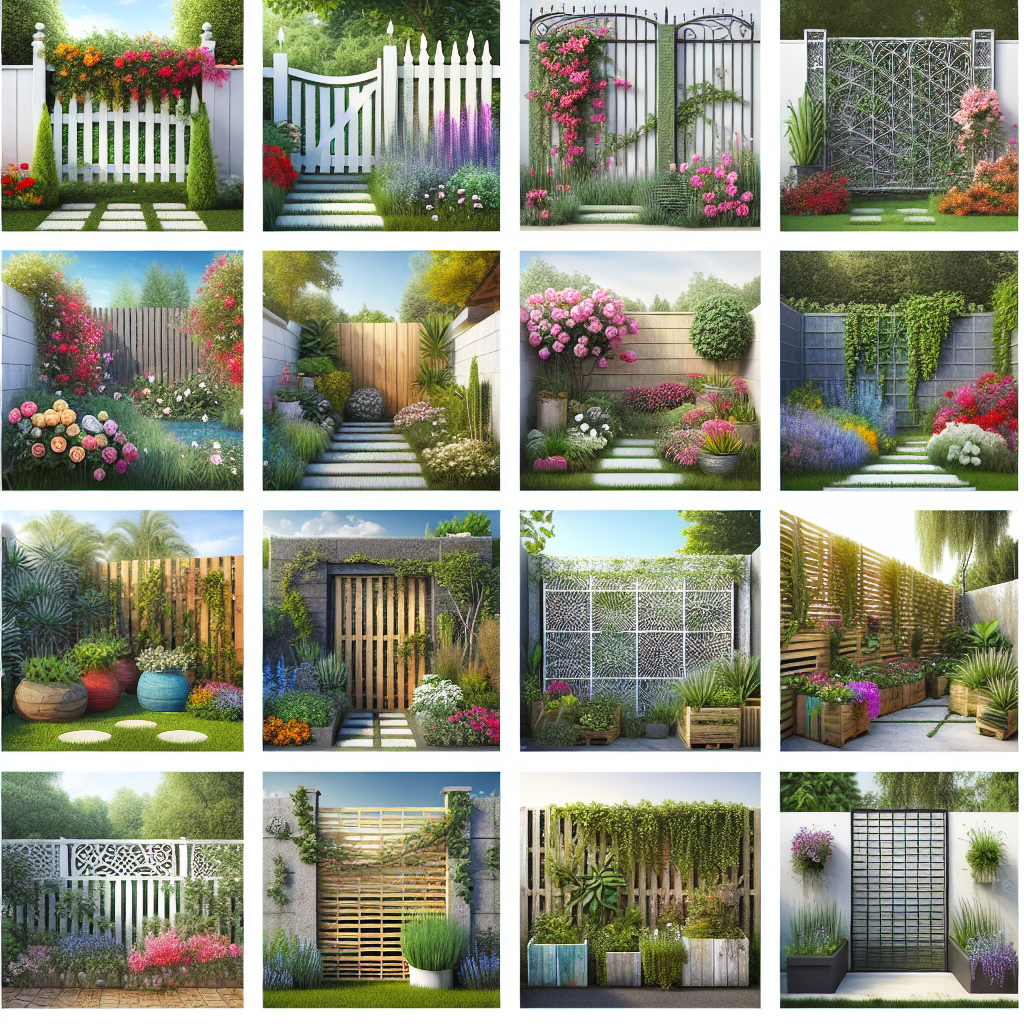
When it comes to creating your perfect outdoor space, one of the most significant, yet often overlooked, elements is the garden fence. A well-thought-out fence serves multiple purposes: it provides security, enhances aesthetics, creates privacy, and even helps with plant growth. This article takes a deep dive into garden fence designs, exploring their history, types, materials, and answering common questions to help you make informed decisions.
Understanding Garden Fences
Historically, fences have been used since the dawn of civilization as boundary markers. They delineate property lines and protect crops and gardens from intruders. Fences have evolved from simple wooden barriers to intricate designs made of diverse materials. Depending on your personal style and the functionality you need, garden fences can range from solid privacy walls to decorative panels that beautifully frame your living space.
Types of Garden Fences
-
Privacy Fences
- What are they?
Privacy fences are tall structures that shield your garden from the outside world. Typically, they range from 4 to 8 feet in height, allowing you to cultivate an intimate outdoor environment. - Materials Used:
- Wood (cedar, redwood)
- Vinyl
- Composite materials
- Aesthetic Options:
- Solid panels
- Lattice tops for added design
- Customizable colors and finishes
- What are they?
-
Pickett Fences
- What are they?
Pickett fences are characterized by vertical boards, known as pickets, that are spaced apart and typically run between 3 to 4 feet in height. - Materials Used:
- Wood
- Vinyl
- Aesthetic Options:
- Traditional white or natural wood
- Painted in vibrant colors for a whimsical feel
- What are they?
-
Post and Rail Fences
- What are they?
Featuring horizontal rails attached to vertical posts, post and rail fences are popular for larger properties such as farms and ranches. - Materials Used:
- Untreated pine
- Pressure-treated wood
- Aesthetic Options:
- Available in several styles (two-rail, three-rail)
- Can be left natural or painted
- What are they?
-
Mesh Fences
- What are they?
Often used for gardens that need security without obscuring visibility, mesh fences are woven from metal or synthetic fibers. - Materials Used:
- Chain-link
- Welded wire
- Aesthetic Options:
- Often coated in vinyl for color
- What are they?
-
Living Fences
- What are they?
Instead of conventional materials, living fences utilize plants, shrubs, or trees to act as natural barriers. - Materials Used:
- Hedges (boxwood, privet)
- Climbing plants (vines like ivy or honeysuckle)
- Aesthetic Options:
- Your choice of flora can be designed in various shapes and patterns
- What are they?
The Functionality of Garden Fences
Security
How does a fence enhance security for my garden?
A well-constructed fence deters unwanted animals and intruders from entering your property. High fences or those with sharp designs on top can be particularly effective in preventing unauthorized access.
Privacy
Can my fence design ensure privacy?
Absolutely! Garden fences designed with solid panels or tall structures provide a sanctuary away from prying eyes, making your garden more enjoyable for relaxation and entertainment.
Aesthetic Value
How can a fence beautify my garden?
The design, color, and materials you choose can enhance your overall landscaping. Decorative elements like trellises or lattice can add charm and lend themselves to plant growth while softening the rustic look.
Plant Support
Can a fence support my climbing plants?
Fences can serve a dual purpose by providing a trellis for flowering vines, allowing you to utilize vertical space creatively and maximizing your garden’s productivity.
Choosing the Right Material
The choice of material significantly impacts the durability, cost, and look of your garden fence. Here, we’ll explore the most common materials and their respective advantages and disadvantages.
-
Wood
- Pros: Natural appearance, easy customization, and cost-effective.
- Cons: Requires regular maintenance, vulnerable to weather-related damages, may warp and rot over time.
- Best For: Privacy fences, classic picket fences.
-
Vinyl
- Pros: Low maintenance, resistant to weather and insects, comes in various colors and styles.
- Cons: Typically more expensive than wood.
- Best For: Long-lasting designs that require minimal upkeep.
-
Metal
- Pros: Extremely durable and secure, often requires less maintenance, fits modern aesthetics.
- Cons: May rust if not treated, can be noisy in high winds.
- Best For: Security fences, often used in industrial areas or to enclose a pool.
-
Composite Materials
- Pros: Combines wood fiber and plastic, needs little maintenance, resistant to rotting and insects.
- Cons: Often more expensive than wood or vinyl.
- Best For: Sustainable designs with a modern feel.
-
Living Plants
- Pros: Naturally beautiful, offers habitat for local wildlife, eco-friendly.
- Cons: Requires maintenance, slower to establish and may take time to reach desired height.
- Best For: Aesthetic privacy gardens, organic designs.
Fencing Design Considerations
-
Climate
- How does climate impact my fence choice?
Depending on your geographic location, you may favor materials that withstand local weather conditions. For icy winters, you might avoid wood as it can warp, while in coastal areas, aluminum and vinyl resist corrosion better.
- How does climate impact my fence choice?
-
Style
- What style should I choose for my garden fence?
Your fencing style should harmonize with your home and garden design. A contemporary house may pair beautifully with sleek metal, while a rustic cottage might be complemented by a classic wood picket fence.
- What style should I choose for my garden fence?
-
Budget
- How much should I expect to spend on a garden fence?
Costs can vary significantly depending on the material, size, and design complexity. Basic wood fences can start at a few dollars per linear foot, while high-end, custom-designed fences can range into the hundreds of dollars per linear foot.
- How much should I expect to spend on a garden fence?
-
Height and Local Regulations
- Are there regulations I should consider for fence height?
Most municipalities have guidelines or restrictions on fence height, often requiring approval for taller designs. Always check local zoning laws before design implementation.
- Are there regulations I should consider for fence height?
-
DIY vs. Hiring a Professional
- Should I install the fence myself or hire a contractor?
If you’re handy and the design is simple, DIY can save money. However, for more complex designs or large-scale projects, hiring a contractor may ensure a professional finish and compliance with building regulations.
- Should I install the fence myself or hire a contractor?
Tips for Designing Your Garden Fence
-
Blend with Landscape
- Choose hues and styles that complement your existing landscape. Consider using a fence that echoes the colors of your home or garden plants.
-
Incorporate Unique Features
- Adding elements like hanging planters, decorative caps, or personalized signs can add distinctiveness to your fence.
-
Include Gates
- Don’t forget gates; they should function both aesthetically and practically. A beautiful gate can serve as a charming focal point and must be accessible for maintenance.
-
Use Lighting
- Integrate outdoor lighting into your fence design. It not only enhances safety but also creates a magical atmosphere during nighttime.
-
Experiment with Textures
- Don’t hesitate to mix materials like wood with metal accents for a visually dynamic look. Layering different textures can make your garden fence intriguing and engaging.
Frequently Asked Questions
1. How do I maintain my wood fence?
Regularly inspect your fence for signs of rot or insect damage. Staining or painting your wood every 2-3 years can help protect it from the elements. Routine cleaning can prevent mildew and keep it looking fresh.
2. Can I paint my vinyl fence?
While painting a vinyl fence is possible, it’s often not recommended, as the color can fade and become mismatched over time. Instead, choose a colored vinyl fence that suits your palette from the outset.
3. Is it necessary to treat my metal fence?
Yes! Regular painting or coating is essential to protect against rust. Look for products that are specifically designed for your metal type.
4. How long will my fence last?
Typical lifespans vary by materials: around 10-15 years for wood, over 20 years for vinyl and composite materials, and up to 50 years for metal. Proper maintenance can significantly extend these lifetimes.
5. How do I ensure my living fence grows properly?
Choose native plants for easier upkeep and familiar growth habits. Regular pruning can help manage growth and shape while keeping invasive plants at bay. Proper irrigation during dry spells will keep your living fence thriving.
Conclusion
Garden fences are much more than mere barriers; they are crucial elements of home landscaping that offer security, privacy, and aesthetic appeal. By understanding the various types, materials, design considerations, and maintenance strategies, homeowners can make informed decisions when selecting the perfect garden fence.
Whether you prefer a rustic wood picket fence or a modern, sleek metal structure, the possibilities are endless. With imagination and careful planning, your garden fence can become a stunning yet functional part of your outdoor makeover—one that reflects your personal style while enhancing the beauty and utility of your garden space.
So, the next time you think about fencing, consider the stack of benefits it can offer and how it plays a vital role in defining your garden’s character. Happy gardening!