
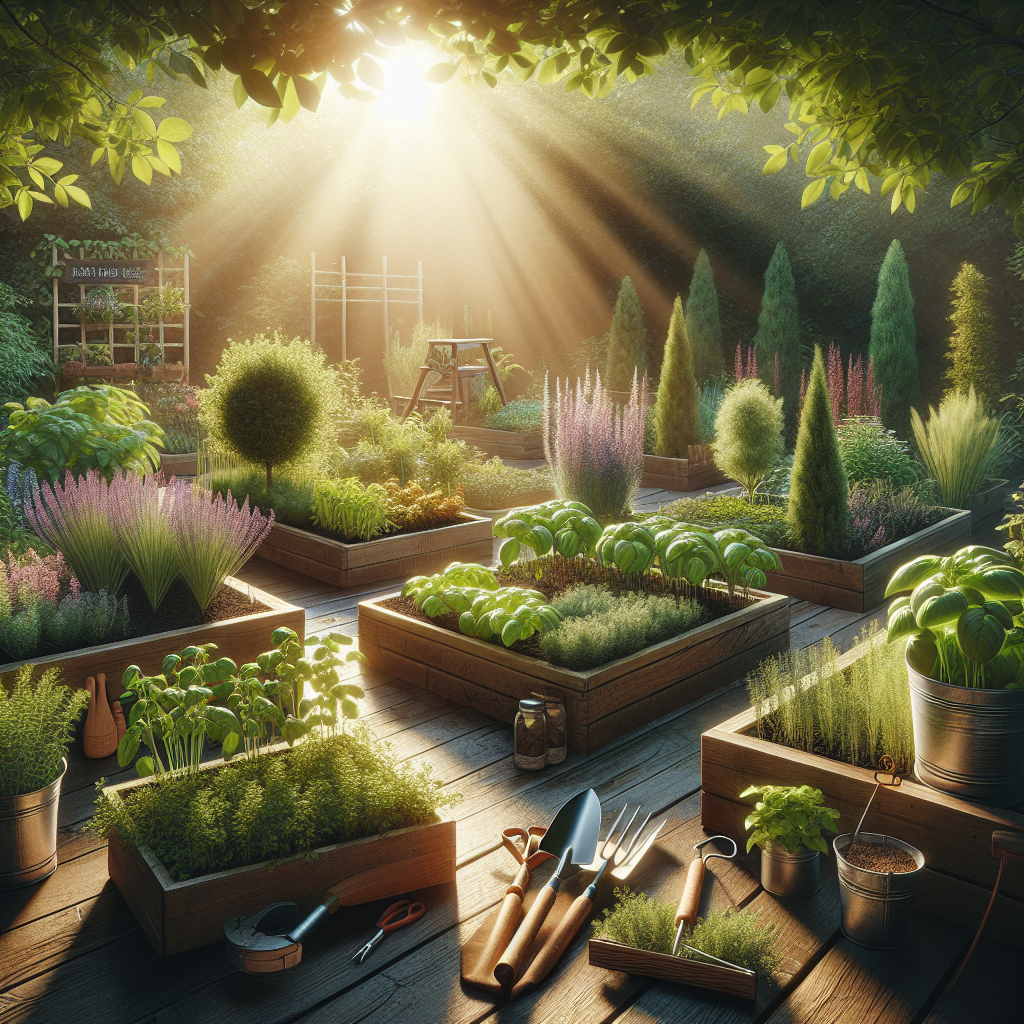
Creating a culinary herb garden offers an immersive way to enhance your cooking while engaging with nature. These gardens not only supply fresh ingredients, but they also add aesthetic charm to any space. Whether you’re a seasoned herb enthusiast or just starting your gardening journey, understanding how to effectively layout your culinary herb garden can make all the difference. In this comprehensive guide, we’ll delve into the principles of herb garden design, answer frequently asked questions, and provide you with helpful tips to cultivate a thriving herb sanctuary.
Why Grow a Culinary Herb Garden?
Before jumping into layouts, let’s explore why cultivating a culinary herb garden is beneficial:
-
Fresh Ingredients: Nothing beats the flavor of freshly picked herbs. They enhance any dish, elevating your culinary creations.
-
Health Benefits: Many culinary herbs boast nutritional benefits. For instance, basil is rich in antioxidants, while parsley is a great source of vitamins A and C.
-
Cost-Effective: Growing your herbs can significantly cut down on grocery bills. Once established, they require minimal investment.
-
Educational Opportunity: Gardening is a fantastic way to learn about plants, ecosystems, and sustainable living.
-
Therapeutic Benefits: Engaging with plants can be a stress-relieving activity, promoting mental well-being.
Choosing the Right Location
Q1: Where should I place my herb garden?
Choosing the right location is fundamental for your herb garden’s success. Here are some factors to contemplate:
-
Sunlight: Most culinary herbs thrive in full sun, requiring at least 6-8 hours of direct sunlight daily. Identify the sunniest area in your yard or balcony.
-
Soil Quality: Herbs prefer well-draining soil. Conduct a soil test to determine pH levels and nutrient content, enriching it with compost if necessary.
-
Accessibility: Place your garden close to your kitchen for convenience. This allows for easy harvests while cooking.
-
Wind Protection: Some herbs can be sensitive to strong winds. If possible, plant your garden where it can be somewhat sheltered.
Q2: What type of gardening space is required?
The good news is that culinary herbs can be grown in various spaces:
-
Traditional Garden Beds: If you have enough room, a dedicated garden bed allows for a wide variety of herbs.
-
Containers: Ideal for small spaces like patios or balconies, containers can be easily moved as needed.
-
Vertical Gardens: Great for urban environments, vertical gardening can save space while providing visual interest.
-
Indoor Gardens: Herbs can be grown indoors on windowsills, provided they receive adequate light.
Planning Your Herb Garden Layout
Step 1: Select Your Herbs
Before sketching a layout, decide on the herbs you want. Some classic culinary herbs include:
- Basil: Perfect for Italian dishes.
- Parsley: Versatile and nutritious.
- Thyme: Great for marinades and stews.
- Rosemary: Ideal for roasting and grilling.
- Mint: Refreshing and useful for beverages.
- Cilantro: Essential in Mexican and Asian cuisines.
Q3: How do I choose which herbs to plant together?
The principle of companion planting is essential in herb gardening. Some herbs thrive alongside particular plants, while others may hinder growth. Here’s a quick companion planting guide:
- Basil and Tomatoes: The synergy enhances both flavors.
- Mint and Thyme: Mint can be invasive, but it pairs well with thyme if contained.
- Cilantro loves growing alongside Corn and Radishes.
Step 2: Design Your Layout
Traditional Garden Bed Layout
If you have the space for a traditional garden bed, consider the following layout:
-
Row Arrangement: Divide the bed into 3-4 rows depending on herbs chosen. Taller herbs like rosemary can be placed at the back, with shorter plants like parsley towards the front.
-
Grid Method: Use a grid layout to designate space for each herb, ensuring each plant has ample room for growth.
-
Accessibility: Leave pathways for easy access to each plant.
Container Garden Layout
For container gardens, here’s how you can arrange your herbs:
-
Thematic Grouping: Plant herbs that complement one another, like Mediterranean herbs (oregano, thyme, basil) in one container.
-
Height Variation: Use taller containers for plants like rosemary and shorter ones for basil or parsley to create a visual hierarchy.
-
Color Coordination: Choose pots that harmonize with each other and fit well in your space.
Vertical Garden Layout
For a vertical garden, adhere to these suggestions:
-
Tiered Systems: Utilize tiered shelving or wall-mounted pockets for planting. Herb height should be factored in, with taller plants at the top.
-
Accessibility: Ensure that all plants are easily reachable for both watering and harvesting.
Step 3: Implement Structure
While herbs are often sufficient on their own, adding structure can enhance the layout:
-
Trellises: Ideal for climbing herbs like peas or even creeping thyme.
-
Edging: Use decorative stones, bricks, or wooden borders to define the garden space.
-
Signs: Labeling each herb type not only aids organization but also adds a charming aesthetic.
Q4: How do I ensure good drainage in my herb garden?
Proper drainage is vital to prevent root rot. Here are strategies to ensure it:
-
Raised Beds: Elevating the garden bed promotes drainage.
-
Amend the Soil: Mix in perlite or sand to improve drainage.
-
Containers: Always choose pots with drainage holes.
Caring for Your Herb Garden
Q5: How often should I water my herb garden?
Most culinary herbs prefer evenly moist soil, but overwatering can be detrimental. Here are tips for proper hydration:
-
Soil Test: Perform a finger test. If the soil feels dry two inches down, it’s time to water.
-
Morning Watering: Water in the mornings to reduce evaporation during the hottest parts of the day.
-
Mulching: Use organic mulch to retain moisture while minimizing weeds.
Q6: How do I fertilize my herb garden?
Herbs generally need less fertilizing compared to other plants, but to boost their growth:
-
Organic Fertilizers: Compost or well-rotted manure can provide nutrients.
-
Liquid Fertilizers: A diluted fish emulsion can be applied monthly during the growing season.
-
Watch for Signs: Yellowing leaves can indicate nutrient deficiencies.
Common Challenges and Solutions
Every gardening journey comes with challenges. Here are a few potential issues and how to address them:
Q7: How do I handle pests in my herb garden?
Herbs can attract various pests, but many natural remedies discourage them:
-
Companion Planting: Grow pest-repelling plants nearby, like marigolds.
-
Natural Insecticides: Use neem oil or insecticidal soap as a gentle deterrent.
-
Row Covers: They can protect seedlings from pests.
Q8: How do I prevent disease in my herb garden?
Fungal infections and other diseases can affect herbs. Practices to maintain plant health include:
-
Proper Spacing: Ensure good airflow between plants.
-
Rotating Crops: Avoid planting the same herbs in the same spot year after year.
-
Harvesting Regularly: Regularly snipping herbs can promote growth and health.
Harvesting and Reaping Benefits
Q9: When is the best time to harvest herbs?
Harvesting time varies by herb:
-
Basil: Harvest leaves before flowering for optimal flavor.
-
Thyme: Young leaves are the most flavorful. Cut stems as needed.
-
Mint: Can be harvested once the plant has reached a few inches high.
Q10: How do I preserve harvested herbs for future use?
Preserving your herbs enables you to enjoy their flavors after harvest:
-
Drying: Bundle herbs like thyme or rosemary and hang them upside down in a cool, dark place.
-
Freezing: Chop herbs and mix with a bit of olive oil, then freeze in ice cube trays.
-
Infusing: Create herb-infused oils or vinegars for enhanced culinary uses.
Seasonal Considerations
Robust herb gardens may take on different appearances as the seasons change. Here’s how to maintain an annual cycle:
-
Winter Protecting: In colder climates, consider bringing container herbs indoors or using row covers to protect garden beds.
-
Year-Round Harvesting: Year-round options like chives or mint can continuously provide greenery, even in the depths of winter.
-
Rotate Planting: Change up your herbs each season for biodiversity and better soil health.
Additional Tips for a Successful Herb Garden
-
Record Keeping: Maintain a gardening journal to track growth, successes, and failures.
-
Education: Continuously educate yourself about herbs through books, workshops, or community classes.
-
Networking: Join gardening clubs or online forums to share experiences and tips with fellow gardeners.
-
Aesthetic Appeal: Incorporate decorative elements, such as garden art or seating, to create a peaceful space for relaxation.
Conclusion
A well-planned culinary herb garden can be a rewarding venture, enriching both your cooking and overall quality of life. By thoughtfully selecting herbs, considering appropriate layouts, and practicing proper care, you’ll cultivate a flourishing garden. This positive exploration of herb gardening can network you with nature, creative cooking, and self-sufficiency—a fulfilling journey that pays off in taste and beauty. So grab your gardening tools, and embark on this aromatic adventure today! Happy gardening!