
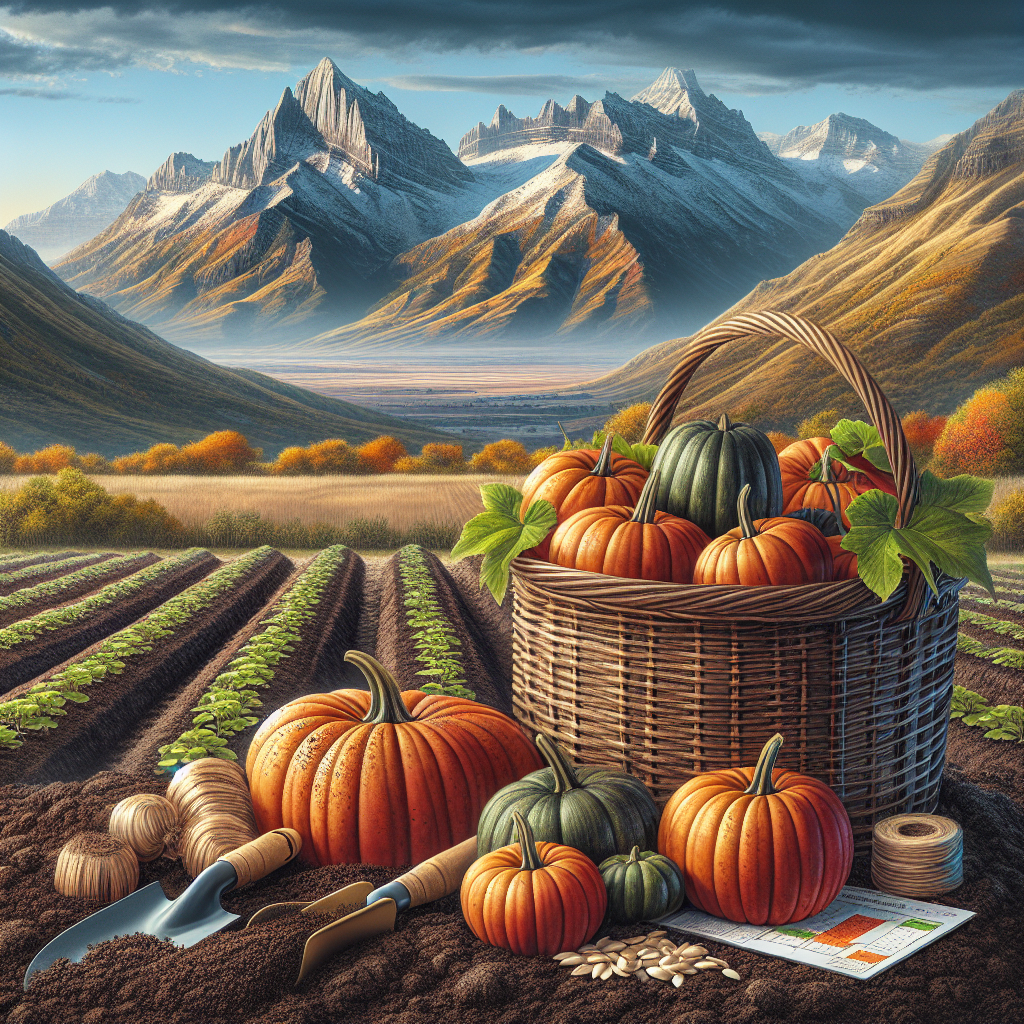
The Ultimate Guide to Planting Pumpkins in Utah: Timing, Techniques, and Tips
Pumpkins are an iconic symbol of autumn, known for their vibrant color, delicious flavor, and of course, their role in Halloween festivities. Whether you’re dreaming of creating the perfect pumpkin patch or simply want to grow some pumpkins for pies, decorations, or family fun, understanding when to plant them in Utah is essential for successful cultivation. In this in-depth article, we will explore everything you need to know about the timing and techniques for planting pumpkins in Utah, answering common questions along the way.
1. Understanding Utah’s Climate
Utah’s diverse climate can present challenges for pumpkin growers. Generally, the state is characterized by its arid desert regions, distinct seasons, and climate variability.
- Temperature Fluctuations: Utah experiences high temperatures during the summer months, with daytime highs that can easily reach into the 90s. However, temperatures can dip significantly in the fall, sometimes dropping below freezing as early as October.
- Growing Zones: The state is divided into various hardiness zones, generally ranging from Zone 5b to Zone 8a. Understanding your specific zone will help determine the growing season and the best time to plant pumpkins.
2. When to Plant Pumpkins in Utah
Pumpkins thrive in warm soil and require a frost-free growing period to develop fully.
Last Frost Date
Typically, the last frost date in many parts of Utah falls between late April and early June, depending on your location. The Wasatch Front, which includes Salt Lake City, generally experiences its last frost around mid-April. In more mountainous regions, this date may be as late as early June.
Best Planting Time
For optimal growth, you should aim to plant pumpkins once the soil temperature reaches around 70°F (21°C). In Utah, this typically occurs between late May and early June. Planting at this time allows pumpkins plenty of time for growth before the first fall frost.
3. Types of Pumpkins
Understanding the different types of pumpkins can help guide your planting decisions. Here are a few popular varieties to consider:
- Jack-o’-Lantern: Classic for Halloween, these pumpkins are medium-sized with a strong rind.
- Sugar Pumpkins: Smaller and sweeter, ideal for cooking and baking.
- Giant Pumpkins: Grown for contests, these need extra growing time and special care.
- Miniature Pumpkins: Perfect for decorations, these are typically easy to grow and harvest early.
4. Preparing Your Soil
Prior to planting, preparing the soil is crucial for a healthy pumpkin crop. Pumpkins thrive in nutrient-rich, well-draining soil. Here’s how to prepare:
Soil Testing
Before planting, consider testing your soil’s pH. Pumpkins prefer a slightly acidic to neutral pH (around 6.0 to 7.0). Various extension services and local garden centers offer soil testing kits.
Amendments
Based on soil tests, you may need to add organic matter. Incorporating compost can enhance soil fertility and structure. A balanced fertilizer can also provide essential nutrients.
Tilling
Till your soil to a depth of around 12 inches, incorporating any amendments. This helps aerate the soil and encourages root growth.
5. Planting Techniques
Direct Seeding
Most gardeners in Utah prefer to direct seed their pumpkins outdoors. Here are some steps for effective seeding:
- Row Spacing: Space rows 4-6 feet apart to accommodate sprawling vines.
- Seed Depth: Plant seeds about 1 inch deep, ensuring they are well-covered with soil.
- Seed Spacing: Plant seeds every 2-3 feet within the row. Once seedlings emerge, thin them out to about the same spacing to allow for adequate growth.
Transplanting
For those who want to get a jump on the growing season, starting seeds indoors may be advantageous. If you choose this method:
- When to Start: Start seeds indoors 2-4 weeks before the last expected frost date.
- Transplanting: Use biodegradable pots to minimize root shock. Harden off seedlings by gradually exposing them to outdoor conditions a few days before transplanting.
6. Caring for Your Pumpkin Plants
Once planted, the care of your pumpkin crop is essential for maximizing yield. Consider the following care practices:
Watering
Pumpkins require consistent moisture, especially during the flowering and fruit-setting stages. Use drip irrigation or soaker hoses to minimize water loss through evaporation. A general rule of thumb is to provide around 1 inch of water per week.
Mulching
Applying organic mulch can suppress weeds, retain moisture, and improve soil quality as it breaks down. Ensure the mulch is applied around the base of the plant but not directly touching the stem.
Fertilization
Pumpkins are heavy feeders. After seedlings establish, apply a balanced fertilizer high in nitrogen to promote healthy leaf growth. Switch to a phosphorus-rich fertilizer once flowers begin to appear to encourage fruit set.
Pest and Disease Management
Regularly inspect your plants for pests like aphids, squash bugs, and cucumber beetles. You can use organic pest control methods, such as neem oil or insecticidal soap, to mitigate issues.
7. Harvesting Your Pumpkins
Knowing when to harvest is crucial for the best flavor and usability. Here are some pointers:
- Signs of Maturity: Pumpkins are ready to harvest when they turn a deep orange color, and the skin becomes hard.
- Stem Care: Leave a few inches of the stem intact when cutting; this helps with storage.
- Timing: Harvest before the first hard frost—typically in late September to mid-October in Utah.
8. Common Questions About Pumpkin Planting in Utah
8.1 What if I miss the planting window?
If you miss the ideal planting window, consider fast-maturing pumpkin varieties. You might also plant pumpkins later in the summer for a fall harvest, though this increases the risk of frost damage.
8.2 Can I grow pumpkins in containers?
Yes, pumpkins can be grown in large containers if you’re limited on space. Look for dwarf or smaller varieties that adapt well to containers.
8.3 Are there any specific pumpkin diseases to be aware of in Utah?
Powdery mildew and downy mildew are common in Utah. Ensure good air circulation and consider disease-resistant varieties. Rotate crops each year to reduce disease presence.
8.4 How do I store my pumpkins after harvesting?
Store harvested pumpkins in a cool, dry place with good ventilation. Avoid stacking them to prevent bruising.
Conclusion
Growing pumpkins in Utah is a rewarding endeavor that allows you to engage with nature while enjoying the bounty of autumn. With the right planning, preparation, and care, you can enjoy a thriving pumpkin harvest, whether for decoration, cooking, or family festivities.
By understanding the best planting times, soil preparations, care techniques, and harvesting signs, you’ll be well on your way to creating your own personal pumpkin patch. Embrace the adventure, and soon you’ll find yourself surrounded by vibrant orange globes just waiting to be turned into jack-o’-lanterns, pies, or the centerpiece of your autumn celebrations. Happy planting!