
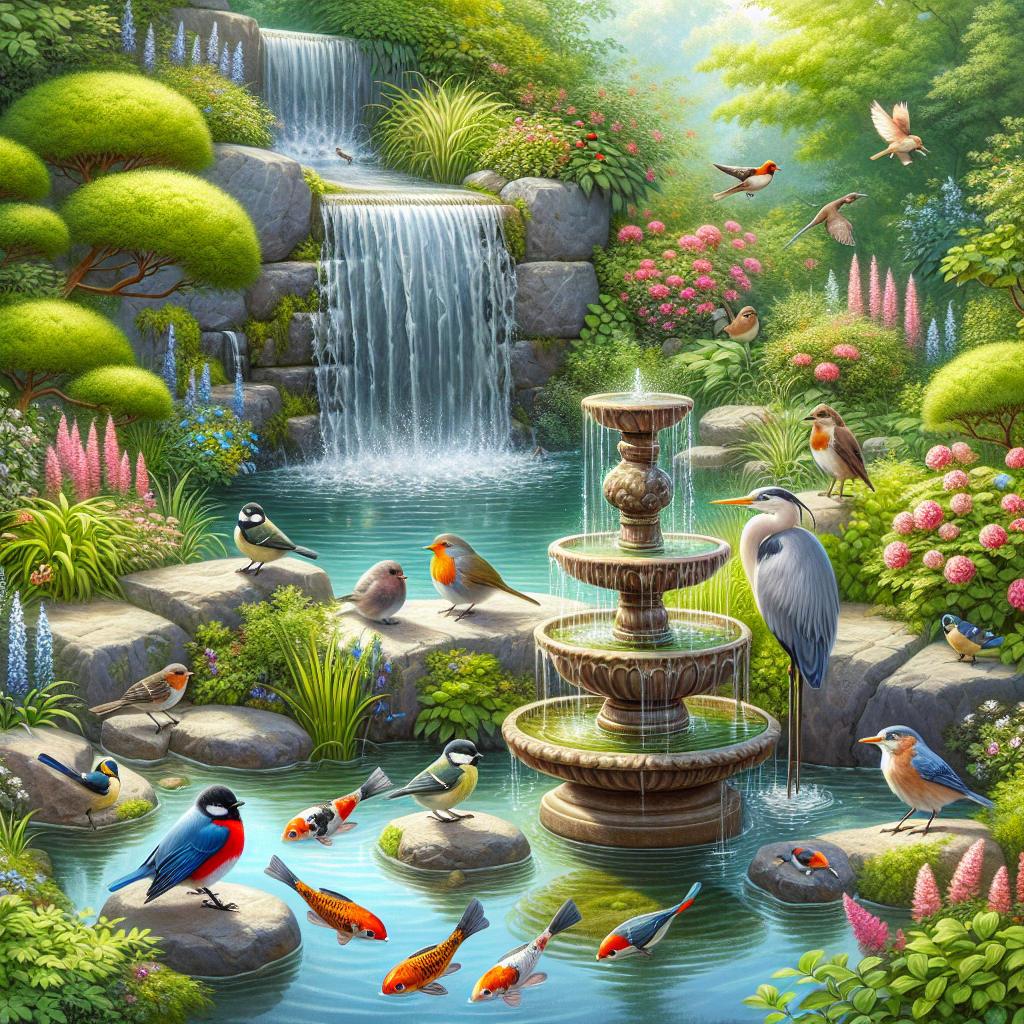
Creating a vibrant and diverse garden is a rewarding endeavor, but introducing those enchanting avian visitors can transform your outdoor space into a magical oasis. Birds not only add color and liveliness to your garden, but they also play crucial roles in pest control and pollination. One of the most effective methods to attract birds is by incorporating water features into your landscape. In this article, we’ll explore how water can draw birds to your garden, what types of features to consider, and tips for maintaining them. We will answer your burning questions and provide comprehensive guidance that will surely help your garden become a feathered paradise.
Why Water Attracts Birds
The Essential Role of Water
Water is an essential resource not only for survival but also for various activities birds engage in. Birds need water for drinking, bathing, and even for cooling down on hot days. A consistent source of clean water can significantly increase bird traffic and diversity in your garden.
Types of Water Needs for Birds
- Drinking: Birds require water to stay hydrated, especially during breeding seasons when they are particularly active.
- Bathing: Regular bathing is vital for birds as it helps keep their feathers clean and in top condition, which is crucial for insulation and waterproofing.
- Cooling Down: Birds use water to regulate their body temperature in hot weather, making a water feature particularly appealing during the summer months.
What Types of Water Features to Consider
Birdbaths
A birdbath is one of the simplest yet most effective ways to attract birds.
Materials
Birdbaths come in various materials, including ceramic, stone, and plastic. While ceramic and stone are durable and aesthetically pleasing, plastic birdbaths can be lightweight and easy to clean.
Design
Choose a birdbath with a shallow basin – ideally no deeper than 2-3 inches – to accommodate different bird sizes. Textured surfaces help birds grip when they are landing or taking a drink.
Placement
Place your birdbath in a quiet area, preferably near bushes or trees that provide the birds with cover. Position it where you can comfortably observe the visitors without disturbing them.
Fountains
Fountains add a delightful soundscape to your garden, and moving water is particularly appealing to birds.
Styles
From wall-mounted styles to freestanding tiers, fountains come in various designs. Choose one that fits your garden aesthetic and maintenance preferences.
Benefits
Additionally, moving water helps prevent stagnation, keeping the water clean and reducing the buildup of algae.
Ponds
A natural pond can be a breathtaking feature in any garden and provides an excellent habitat for various birds.
Size and Depth
If you opt for a pond, ensure it has both shallow and deeper areas. Shallow edges allow birds to wade, while deeper areas can attract waterfowl.
Plants
Adding native aquatic plants to your pond not only enhances its beauty but also creates cover for birds and other wildlife.
Water Drippers or Misters
If space is limited, consider using drippers or misters. These not only provide a water source but also create a misty environment that birds find inviting.
Placement
Position the dripper or mister near shrubs or trees so that birds feel safe while using the water feature.
Key Questions About Attracting Birds with Water
How Often Should I Change the Water?
Answer: It’s essential to change the water in your birdbath or fountain every few days, especially in warm weather. Stagnant water can become a breeding ground for mosquitoes and algae, which could deter birds.
Will Birdbaths Attract Pests?
Answer: While birdbaths can attract insects, they can also help control pest populations. Regular cleaning and maintenance will mitigate pest problems, and the sight of birds bathing and drinking can deter harmful insects.
Do Birds Prefer Moving or Still Water?
Answer: Many birds are attracted to moving water. The sound and sight of flowing water are inviting to birds, indicating a reliable source. If you have a still water feature, consider adding a small fountain or dripper to keep it circulating.
What Time of Year is Best for Attracting Birds?
Answer: Year-round, birds benefit from a water source. However, the spring and summer months are particularly appealing as birds prepare for breeding and raising their young. During these times, providing water can significantly boost your garden’s bird population.
Can I Use Treated Water in Bird Baths?
Answer: It’s best to avoid using treated water, such as chlorinated tap water. Use fresh, untreated water whenever possible to ensure the health and safety of the birds visiting your garden.
What Should I Do if Birds Aren’t Visiting My Water Source?
Answer: If you’re not seeing any birds, try experimenting with different types of water features or placements. Reducing noise levels, adding more natural cover, and keeping dishes clean are also important factors to consider.
Creating a Bird-Friendly Environment
Landscaping for Birds
To attract birds effectively, integrate bird-friendly plants that produce fruits or seeds. These plants will not only lure birds but will provide them with natural food sources.
Native Plants
Opt for native plants like berries, sunflowers, and wildflowers that will provide from season to season. Native species support local avian species best by supplying them with the nutrition they need.
Creating Shelter and Nesting Sites
Birds need safe places to roost, rest, and nest. Include shrubs, trees, and vines in your garden layout, which can serve as both cover and potential nesting sites for birds.
Birdhouses
Integrating birdhouses can enhance your chances of attracting birds. Different species prefer various sizes and shapes of birdhouses, so research the preferences of birds in your area.
Avoiding Chemicals
To create a true sanctuary for birds, consider avoiding chemical pesticides and herbicides in your garden. Going organic ensures that the environment is safe for creatures that visit your space.
Seasonal Considerations for Water Features
Spring
The spring months are a time of renewal, and birds become particularly active as they begin to establish territories. Ensure water sources are fresh and plentiful, as this will be crucial during mating season.
Summer
As temperatures rise, birds will frequent water sources more often to cool down. Keeping birdbaths clean and filled will be especially important during this time.
Fall
During fall, many birds migrate, and some local species will be preparing for winter. This is a great time to clean and prepare your water sources for any birds that may linger or stop for a rest during their journey.
Winter
In winter, you can provide a heated birdbath or use a de-icer to ensure water remains available during the cooler months. Birds will have difficulty finding water as most sources may freeze over.
Practical Tips for Maintaining Your Water Features
Clean Regularly
Regular maintenance ensures the health of your visitors. Scrubbing the basins with a soft brush and rinsing them out every few days is essential. This will avoid algae buildup, which can threaten the well-being of the birds.
Monitor Water Levels
Especially in hot seasons, monitor water levels in your baths and fountains. Birds prefer shallow water; topping it off regularly will help keep it at an optimal level.
Create a Natural Look
Enhancing your fountain or birdbath with natural stones or aquatic plants not only makes water features more visually appealing but also encourages birds to visit.
Add Rocks or Gravel
Introducing larger rocks or gravel at the bottom of your birdbath provides perching places for birds. This can help less confident species feel secure while they drink or bathe.
Conclusion
Attracting birds to your garden through water features is both an art and a science. Understanding the unique needs of your feathered friends will enable you to create an environment that is not only welcoming but also beneficial. From choosing the right types of water features to maintaining them effectively, your efforts will be rewarded with a lively display of birdlife in your outdoor space. Whether you are a seasoned bird watcher or a curious beginner, creating an avian-friendly oasis can truly elevate your outdoor experience.
The joy of watching birds flitting to and fro, splashing in the water, and singing in the trees will provide you with a beautiful connection to nature. So take a little time, incorporate these principles, and let your garden transform into a celebration of life and harmony.
Maintain your commitment to providing clean water, natural habitats, and a diverse range of plants, and you will surely attract a mesmerizing variety of feathered friends year after year!