
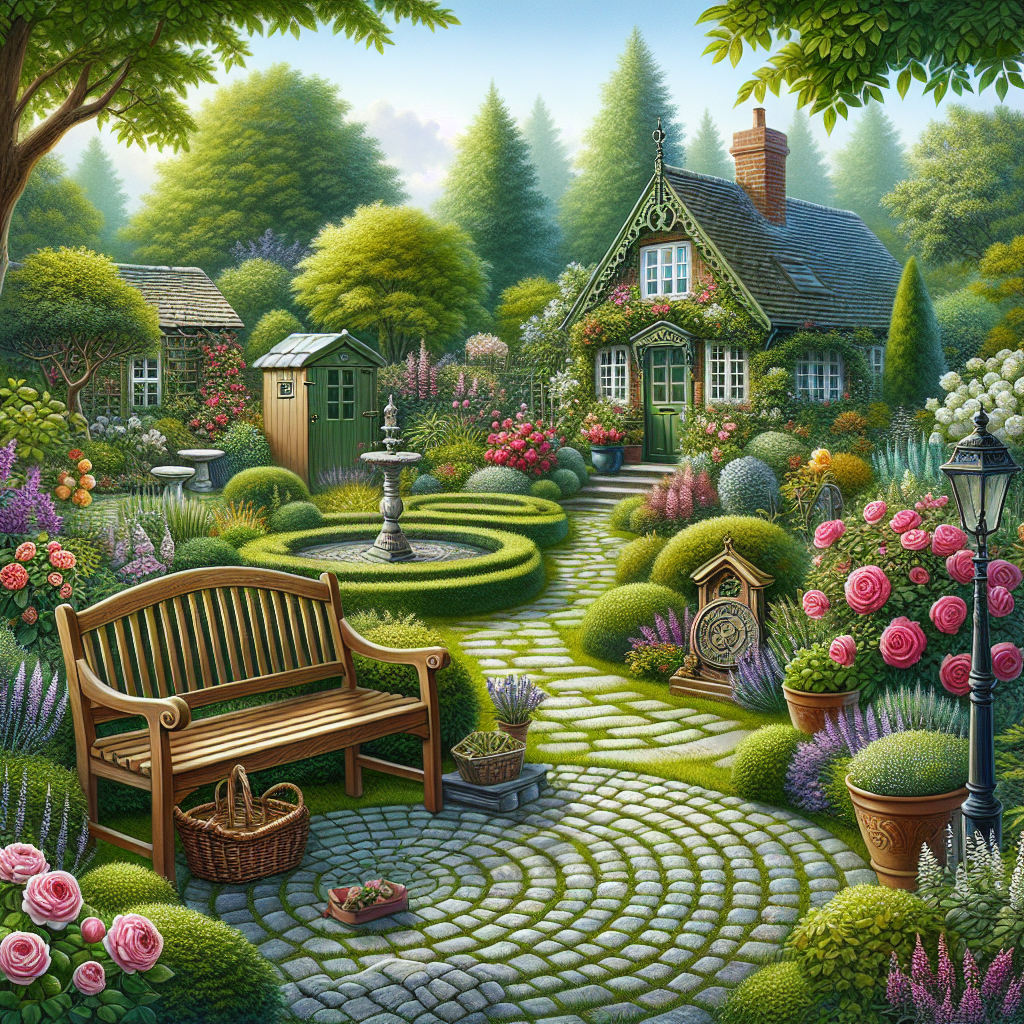
The enchanting world of English garden landscaping encapsulates the quintessence of nature, art, and culture in perfect harmony. As we delve into the unique elements that characterize this timeless style, we will explore its history, philosophy, distinctive features, and practical applications. This guide will unravel the nuances of English garden design while addressing common questions and solutions, providing you with a gateway into creating your own serene garden oasis.
Understanding English Garden Style
The Roots of English Garden Design
English gardens emerged during the 18th century, predominantly influenced by the Romantic era’s appreciation for nature. The pivotal inspiration came from landscape artists such as Capability Brown and John Claudius Loudon, who emphasized natural beauty over rigid, formal designs.
-
Naturalism: Unlike the manicured, geometric layouts of French gardens, English gardens are characterized by their flowing lines, natural textures, and organic shapes. The intention was to create landscapes that mimic nature—blurring the lines between cultivated space and wild beauty.
-
Cottage Gardens: These intimate spaces brimmed with colorful blooms and fragrant herbs became emblematic of English garden style. The concept takes inspiration from English rural life, where function seamlessly intertwines with aesthetics.
-
Historical Influence: The rise of the English garden is also attributed to social and cultural shifts, where gardening became a symbol of shelter, wealth, and leisure for the privileged classes.
Features of English Garden Style
1. Plant Selection
One of the hallmarks of English garden design is its diverse plant palette. In an English garden, you’ll find a harmonious blend of perennials, annuals, shrubs, and trees. Here are some common choices:
-
Roses: Renowned for their beauty and fragrance, roses are central to English gardens. Varieties like David Austin roses have garnered popularity for their delightful blooms.
-
Lavender: Known for its relaxing fragrance and charm, lavender thrives in sunny spots, attracting pollinators and adding depth to the garden.
-
Foxgloves: With their tall flower spikes, foxgloves bring vertical interest and are often seen lining pathways.
-
Hellebores: These early bloomers add color to the spring landscape, thriving in partially shaded areas.
-
Hydrangeas: With their large flower heads, hydrangeas can serve as focal points and are appreciated for their variety of colors.
2. Garden Design Principles
Understanding a few design basics will enhance your ability to create a visually striking garden:
-
Curvilinear Paths: Instead of straight lines, opt for meandering pathways that invite exploration. Gravel, flagstone, or bark are popular choices for surfacing.
-
Focal Points: Incorporate elements such as statues, birdbaths, or benches to draw the eye and create areas for rest and contemplation.
-
Layers and Textures: Build visual complexity by paying attention to layering plants, with taller items at the back and shorter ones in front, and mixing various textures.
3. Hardscaping Elements
Hardscaping—referring to the non-plant elements of garden design—greatly influences the overall aesthetic. Here are essential considerations:
-
Terraces: Gradually ascending landscapes allow for tiered plantings and create distinct zones.
-
Walls and Fences: Brick or stone walls add structure, while trellises adorned with climbing plants add charm.
-
Water Features: Ponds, streams, or fountains introduce movement and a soothing auditory element, enhancing the garden’s tranquility.
4. Garden Architecture
No English garden is complete without a touch of architecture. These structures complement the living elements:
-
Garden Sheds: A classic potting shed can serve as a workspace and a decorative feature.
-
Arbors and Pergolas: These elements can provide shade for seating areas, fostering cozy retreats.
-
Greenhouses: These classic additions allow for year-round gardening and can enhance your gardening hobby.
5. Seasonal Interest
An English garden should bloom with personality across all seasons. Incorporate plants that offer visual interest year-round:
-
Spring: Tulips, daffodils, and hellebores herald the change in season with a burst of colors.
-
Summer: Perennials like peonies, delphiniums, and dahlias keep the garden vibrant.
-
Autumn: Ornamental grasses and asters extend the flowering season as trees shift to vibrant autumn hues.
-
Winter: Evergreens, berries, and bark textures provide structures and colors during the dreary winter months.
Creating Your Own English Garden
What are the steps to designing an English garden?
-
Site Assessment: Evaluate your garden’s conditions including sunlight, soil type, and drainage. Understanding the limitations of your space is essential.
-
Plant Selection: Choose plants that fit your local climate, and group them based on their sunlight needs to ensure flourishing growth.
-
Design Layout: Start with a rough sketch, marking out paths, focal points, and areas for specific plants. Flow and movement should be considered.
-
Soil Preparation: Ensure the soil is rich in organic matter, amend it as necessary, and assess the pH for optimal growth.
-
Planting and Maintenance: Follow good planting techniques, ensuring proper spacing. Regular maintenance such as pruning, deadheading, and watering is key in retaining the garden’s splendor.
How much space do I need for an English garden?
A common misconception is that large spaces are necessary. An English garden can thrive in various sizes. Emphasis should be on thoughtful design; even a small patch can evoke the English garden style with strategic plant selections and elements.
What is the cost of establishing an English garden?
Cost can vary significantly based on the scale and selected materials. Initial setup involves plant purchases, soil amendments, and potential landscaping services:
-
DIY Approach: The cost can range from a few hundred to a few thousand dollars, depending on plant choices and hardscape materials.
-
Professional Input: Hiring a landscape designer can significantly increase costs, often ranging from $50 to $150 per hour.
How can I sustain my English garden?
-
Organic Practices: Use compost and natural pest control methods to maintain soil health and plant vigor.
-
Regular Maintenance: Schedule routine weeding, pruning, and deadheading to promote energy draw to blooming plants.
-
Irrigation Systems: Consider drip systems or rainwater collection to sustainably manage watering.
What mistakes should I avoid when designing an English garden?
-
Inappropriate Plant Choices: Select plants that thrive in your climate zone. Pay attention to light and moisture requirements.
-
Overcrowding: Ensure adequate spacing to allow plants room to breathe, grow, and mature.
-
Ignoring Seasons: Plan for year-round interest to keep your space alive and engaging through every season.
The Ethos of English Garden Style
1. Connecting with Nature
English gardens advocate for a nurturing relationship with the environment. They foster biodiversity by attracting beneficial insects, encouraging pollination, and providing a sanctuary for thrilling wildlife.
2. A Retreat for the Soul
In a world often filled with chaos, English gardens offer a tranquil escape. The artistry of the design invites reflection, gardening becomes a meditative practice, and the beauty of nature revitalizes the spirit.
3. Celebrating Craftsmanship
Every element of an English garden—be it a handcrafted bench or a bespoke potting shed—speaks to human creativity. The cultivation and maintenance of the garden serve as a celebration of time, effort, and botanical appreciation.
Modern Takes on English Garden Design
While the foundational elements of English gardens remain unchanged, modern designers have reinterpreted these classic components to suit contemporary lifestyles:
Sustainable Practices
The movement towards sustainability has introduced native plantings, xeriscaping principles, and water conservation techniques. Combining eco-friendly strategies with traditional designs creates a garden that is both beautiful and responsible.
Edible Gardens
Integrating vegetables and herbs into the traditional English garden increases functionality while preserving aesthetics. Raised beds filled with veggies, interspersed with flowers, heighten both beauty and productivity.
Contemporary Structures
Modern materials such as corten steel planters, sleek pathways, and minimalist furniture can be harmonized with classic elements to deliver a fresh perspective while honoring tradition.
Conclusion
Creating an English garden is not merely a design project; it’s an invitation to participate in a centuries-old tradition that honors nature’s beauty and mankind’s creativity. A well-crafted English garden thrives as a vibrant entity, telling stories of seasons, experiences, and people, each bloom an expression of life’s art.
As you embark on your journey of design, remember the core principles—the symbiosis between nature and architecture, the layers of texture, the play of colors, and the cycle of seasons. Allow your personal tastes and the unique character of your space to guide your decisions.
Whether you’re nurturing a small cottage garden or a sprawling estate, the essence of English garden style can become an integral part of your life, serving as a sanctuary, a source of inspiration, and a canvas for your creativity to flourish. Happy gardening!