
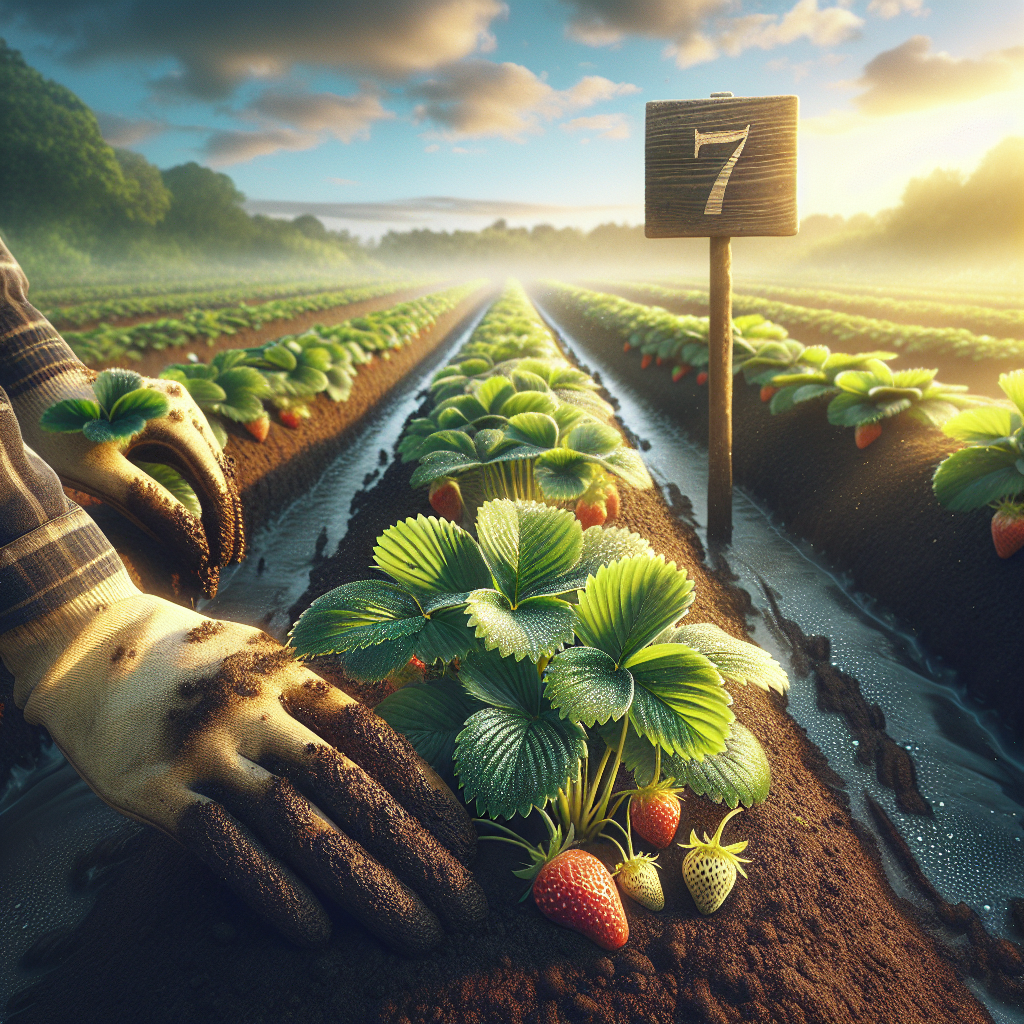
Growing strawberries can be one of the most rewarding experiences for gardeners and fruit lovers alike. Their sweet, juicy flavor and splendid appearance can transform any garden into a delectable wonderland. If you live in USDA Hardiness Zone 7, you’re in luck! This zone offers an ideal climate for strawberry cultivation, but the key to maximizing your yield lies in knowing when and how to plant these delectable fruits. In this article, we’ll explore everything you need to know about planting strawberries in Zone 7, including ideal planting times, care tips, and common questions addressed along the way.
Understanding Zone 7: A Gardening Paradise
Before diving into the specifics of planting strawberries, it’s essential to understand what Zone 7 entails. USDA Hardiness Zone 7 typically experiences average winter temperatures ranging between 0°F and 10°F (-18°C to -12°C). This means that you can enjoy a long growing season, with the last frost usually occurring between late April and early May. The moderate climate allows for a diverse array of plants, including strawberries, to thrive.
Why Choose Strawberries?
Strawberries are not just delicious; they are also packed with nutrients. Loaded with vitamins C and K, dietary fiber, and antioxidants, strawberries can offer numerous health benefits. They’re versatile in the kitchen and can be used in everything from desserts to salads. By planting strawberries in your garden, you’re not just enhancing your landscape; you’re also contributing to your health and well-being!
When to Plant Strawberries in Zone 7
1. Choosing the Right Time
Generally, the best time to plant strawberries in Zone 7 is in early spring or late winter (February to March). However, the timing can be influenced by specific local conditions, including:
-
Soil Temperature
- Strawberries thrive in soil temperatures between 60°F and 70°F (15°C to 21°C). You can use a soil thermometer to check this.
-
Frost Dates
- Typically, the last frost falls between late April and early May in Zone 7. For best results, you can plant strawberries about 2-4 weeks before the last expected frost when the soil can be worked.
2. Types of Strawberries and Their Timing
Strawberries can be categorized into three main types: June-bearing, everbearing, and day-neutral. Each has unique planting times and characteristics.
-
June-Bearing Strawberries
- These varieties produce a single large crop in late spring to early summer. The best planting time is early spring after the last frost.
-
Everbearing Strawberries
- Everbearing strawberries produce multiple smaller harvests throughout the growing season. Plant these between late winter or early spring.
-
Day-Neutral Strawberries
- This variety can produce fruit continually throughout the growing season, as long as the temperatures remain between 35°F and 85°F (1.6°C to 29.4°C). Plant them in early spring for the best results.
FAQ: When is the ideal time for strawberry planting in Zone 7?
Q: Can I plant strawberries in the fall?
A: While fall planting is possible in some regions, it’s generally not recommended in Zone 7. Spring planting gives the plants a full growing season to establish their roots before winter sets in.
Site Selection and Preparation
1. Choosing the Right Location
Strawberries prefer full sun, so select a site that receives at least 6-8 hours of sunlight each day. Additionally, good drainage is crucial; poorly drained soil can lead to root rot and other diseases.
2. Soil Preparation
-
Soil Type
- Strawberries thrive in sandy loam, which provides good drainage and moisture retention. Conduct a soil test to check pH levels, which should ideally be between 5.5 and 6.8.
-
Amendments
- Incorporating organic matter, such as compost or well-rotted manure, can enhance soil fertility and structure. This will give your strawberries a nutritious foundation to grow.
FAQ: How do I prepare the soil for strawberry planting?
Q: Can I use raised beds for strawberries?
A: Yes! Raised beds can improve drainage and make it easier for you to control soil quality. Ensure they are 12-18 inches deep for optimal root growth.
Planting Strawberries
1. Planting Techniques
When you’re ready to plant your strawberries, consider these steps:
-
Spacing
- Space your June-bearing plants 24 inches apart and rows about 36 inches apart. For everbearing and day-neutral varieties, space them 12-18 inches apart.
-
Planting Depth
- When planting, ensure that the crown (where the stems meet the roots) is level with the soil surface. Planting too deep can cause rot, while planting too shallow can dry out the roots.
2. Mulching
After planting, apply a layer of organic mulch (like straw or wood chips) around the base of the plants. This helps retain moisture, suppress weeds, and regulate soil temperature.
FAQ: How can I ensure successful planting?
Q: What’s the best way to water newly planted strawberries?
A: Water thoroughly after planting and keep the soil consistently moist (not soggy) for the first few weeks. This encourages root establishment.
Caring for Your Strawberries
1. Watering Needs
Strawberries require consistent watering, especially during dry spells. Ensure they receive about an inch of water per week, either from rainfall or supplemental irrigation.
2. Fertilization
- Timing
- Fertilize your strawberries in early spring using a balanced fertilizer. Avoid high nitrogen fertilizers, which can cause excessive leafy growth at the expense of fruit.
3. Weed Control
Maintaining a weed-free environment is crucial for healthy strawberry plants. Utilize mulch and regular hand-weeding or shallow hoeing to keep weeds at bay.
FAQ: What should I do if my strawberries are struggling?
Q: How do I recognize and treat common strawberry diseases?
A: Look out for signs of fungal diseases like powdery mildew or root rot. Ensure good air circulation and avoid overhead watering. Fungicidal treatments may be necessary if diseases persist.
Pest Management
Strawberries are prone to pests like aphids, spider mites, and slugs.
1. Natural Remedies
Organic pest management strategies can be highly effective. For example:
-
Hand-Picking
- Regularly inspect your plants and remove pests by hand.
-
Companion Planting
- Planting marigolds alongside strawberries can naturally deter pests due to their scent.
2. Chemical Controls
If natural methods fail, consider using insecticidal soaps or organic pesticides, ensuring they’re safe for edible plants.
Harvesting Your Strawberries
1. When to Harvest
Strawberries are typically ready for harvest 4-6 weeks after flowering. Look for bright red, uniform color without any green patches.
2. How to Harvest
Gently twist or cut the fruit from the plant to avoid damaging the stems. Harvest in the morning when the fruit is coolest for the best flavor and shelf life.
FAQ: How can I extend the harvest season?
Q: Should I pinch off the flowers the first year?
A: If you planted June-bearing strawberries, it’s beneficial to pinch off the blooms during their first year to encourage stronger root growth, which will yield a more abundant harvest in subsequent years.
Ongoing Care and Maintenance
1. Post-Harvest Care
After harvesting, it’s important to maintain your plants. Continue watering and mulching to sustain their health through the growing season.
2. Preparing for Winter
-
Mulching for Winter
- As winter approaches, apply a thicker layer of organic mulch to protect the roots from freezing temperatures.
-
Reinforcing Beds
- Consider covering your strawberry beds with row covers or fabric to further insulate them against harsh winter elements.
Conclusion
Growing strawberries in Zone 7 can be an enjoyable and fruitful experience. By understanding when to plant your strawberries, how to care for them, and when to harvest, you can look forward to a bountiful crop year after year. Whether you opt for June-bearing, everbearing, or day-neutral varieties, a little diligence in your gardening practices will yield sweet rewards.
The key takeaways for successful strawberry cultivation include planting at the right time, preparing your soil adequately, protecting your plants from pests, and maintaining consistent care. With this guide as your roadmap, you’re well-equipped to dive into the world of strawberry gardening and enjoy the fruits of your labor!
Now, let’s get planting! Strawberries are waiting to fill your garden with color, life, and flavor. Happy gardening!