
Introduction
Aquaponics is quickly gaining ground as an innovative agricultural method that synergistically combines aquaculture (raising fish) with hydroponics (growing plants without soil). Within this fascinating world, one technique stands out for its efficiency and effectiveness: the Nutrient Film Technique (NFT). Not only does NFT support the growth of plants in nutrient-rich water, but it also optimizes the potential of aquaponics systems, ensuring maximal productivity with minimal resource consumption.
What is Nutrient Film Technique (NFT)?
The Nutrient Film Technique is a hydroponic growing method where a continuous, thin film of nutrient-rich water flows over plant roots that are supported in a trough or channel. The roots uptake water and nutrients while exposed to oxygen in the air, creating an ideal environment for healthy plant growth. The NFT method utilizes gravity to create a constant flow of nutrients, minimizing water usage, and reducing the risk of root rot.
The Synergy Between Aquaculture and Hydroponics
In an aquaponics system utilizing NFT, fish waste serves as a natural fertilizer for the plants, while the plants naturally filter the water for the fish. This closed-loop system efficiently recirculates resources, leading to sustainable food production. The integration of NFT in aquaponics enhances this symbiotic relationship, providing innumerable benefits.
Benefits of Nutrient Film Technique in Aquaponics
1. Water Efficiency
One of the primary benefits of employing NFT in aquaponics is its water efficiency. Traditional soil-based and even certain hydroponic systems can require significant water inputs. In contrast, NFT systems utilize minimal amounts of water through continuous recirculation, making them preferable in regions prone to drought or where water is scarce.
2. Maximized Space Utilization
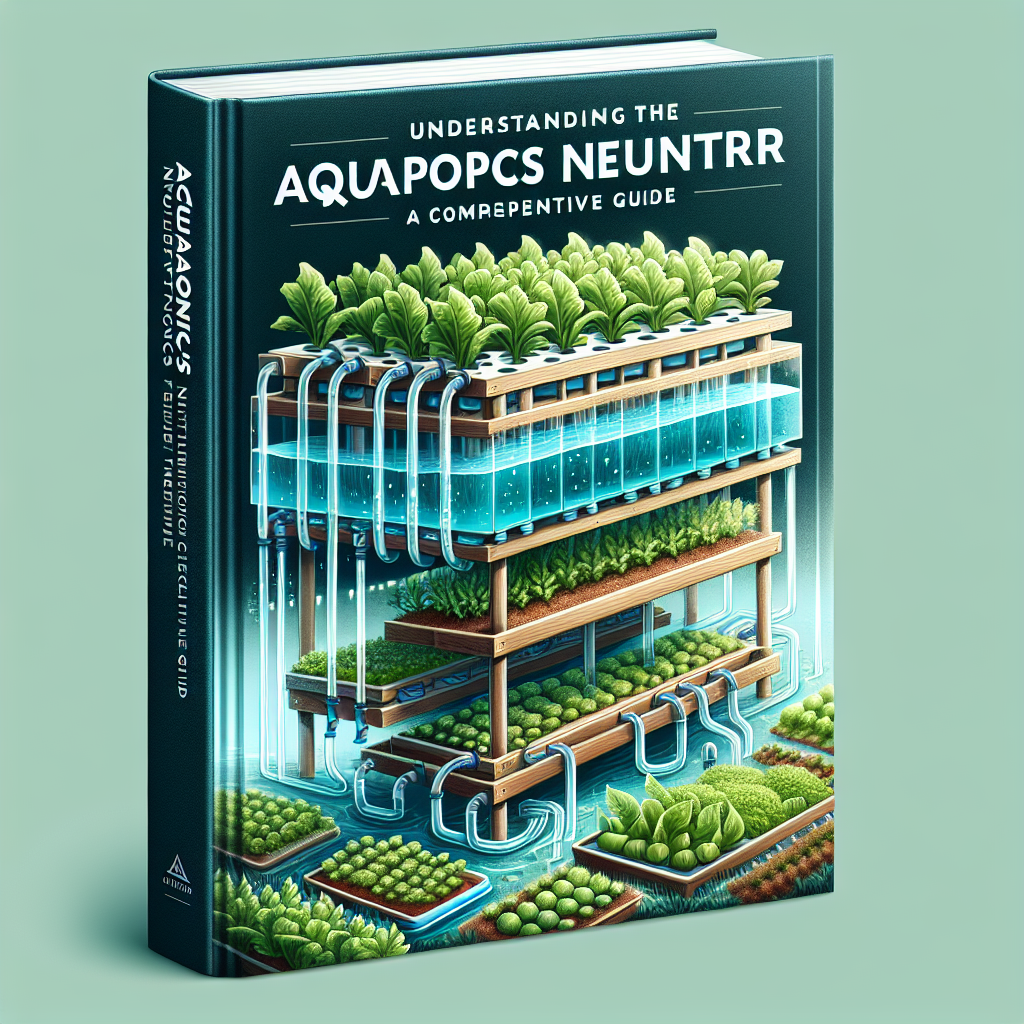
NFT systems often employ vertical growing techniques, allowing growers to maximize spatial efficiency. By stacking channels vertically, large quantities of plants can be cultivated in a relatively small footprint. This is especially beneficial for urban farming or small-scale operations where every inch counts.
3. Enhanced Oxygen Availability
With roots partially exposed to air, NFT systems naturally promote high oxygen availability. Oxygen-rich environments foster beneficial microbial activity, improve root development, and enhance nutrient uptake. This leads to faster growth rates and higher yields.
4. Reduced Labor Costs
The automated nature of NFT systems translates to reduced labor costs. Once set up, ongoing maintenance and monitoring can often be managed with minimal human intervention, freeing farmers to focus on other aspects of their operations.
5. Disease Control
NFT systems provide better control over plant diseases compared to soil-based growing. With no soil to harbor pathogens, the chance of root rot and other soil-borne diseases is significantly lowered. Moreover, regular monitoring of nutrient levels and water quality helps ensure that any issues can be swiftly addressed.
Frequently Asked Questions (FAQs) about NFT in Aquaponics
1. What types of plants are ideal for NFT systems?
Answer: NFT systems are best suited for fast-growing, shallow-rooted plants. Leafy greens such as lettuce, spinach, kale, and herbs like basil and cilantro thrive in NFT. Some strawberry varieties can also be grown successfully. However, due to potential anchorage issues, larger fruiting plants (like tomatoes or cucumbers) are less common in NFT systems.
2. How is nutrient balance maintained in an aquaponics NFT system?
Answer: Managing nutrient balance is crucial in any aquaponics setup. In an NFT aquaponics system, the fish produce waste, which is converted into nitrogenous compounds through the action of beneficial bacteria. This process transforms ammonia into nitrites and then into nitrates, which are plants’ primary source of nutrients. Regular water testing for pH levels, ammonia, nitrites, and nitrates is essential to maintain balance. Complementary nutrients may be added based on plant needs and species.
3. What type of fish are commonly used in aquaponics?
Answer: The choice of fish depends on climate, market demand, and personal preference. Common fish species in aquaponics include tilapia, catfish, trout, and goldfish. Tilapia is favored for its hardiness and fast growth, while trout is popular in cooler climates.
4. How much space do I need for an NFT aquaponics system?
Answer: NFT systems can be designed to fit nearly any space from small home setups to commercial greenhouses. Vertical systems require minimal footprint while maximizing output. Even in limited space environments, a well-planned NFT aquaponics setup can yield significant harvests.
5. What challenges might one face when setting up an NFT system?
Answer: While NFT systems offer considerable advantages, beginners may face challenges, including:
-
Clogging: Troughs can become clogged with sediment, which can disrupt water flow. Regular cleaning and maintenance can mitigate this.
-
Nutrient Management: Balancing nutrients can be demanding, particularly in new systems. Consistent monitoring and testing will ease this process.
-
Power Dependency: NFT systems rely on pumps for water circulation. A power outage can lead to plant stress, so backup systems like battery-powered pumps should be considered.
The Future of Aquaponics and NFT
Aquaponics is at the intersection of innovation, sustainability, and food security. As global populations continue to rise and urban areas expand, the need for sustainable food production methods like aquaponics becomes increasingly urgent. NFT, with its technical efficiency and resource conservation, positions itself as a leading technique for the future of sustainable agriculture.
Current Innovations in NFT and Aquaponics
The future is bright for NFT in aquaponics. Several innovative trends are shaping the landscape:
-
Smart Technology Integration: With the advent of IoT (Internet of Things), farmers can monitor water quality, nutrient levels, and plant health remotely. Automated systems can optimize nutrient delivery and water flow based on real-time analytics, ensuring maximum yields.
-
Vertical Farming: As urban centers continue to grow, vertical aquaponics is garnering more attention. Facilities can integrate NFT systems into skyscrapers, generating fresh produce while minimizing land use.
-
Aquaponics Training Programs: Organizations and schools increasingly offer training programs in aquaponics and hydroponics, helping to disseminate knowledge and grow a community of capable farmers.
-
Research and Development: Continued research into best practices, fish and plant varieties, nutrient formulations, and system designs is paving the way for more efficient and effective aquaponics systems.
Steps to Setting Up an NFT Aquaponics System
Step 1: Plan Your System
Creating a blueprint for your NFT aquaponics setup is essential. Define your space, select your fish and plants, and determine your budget and resources.
Step 2: Gather Supplies
You’ll need:
- Fish tanks
- Grow beds or channels (PVC or other non-toxic materials)
- Pumps and plumbing equipment
- Aeration devices
- Water and nutrient testing kits
Step 3: Set Up the System
- Install Fish Tanks: Place your fish tanks in a location with adequate temperature control.
- Build Plant Channels: Arrange your plant growing channels, ensuring a slight slope for gravity-driven water flow.
- Install Pumps and Plumbing: Set up your pumps, ensuring they can circulate water efficiently throughout the system.
- Add Fish and Plants: Introduce your fish and plant seedlings once your system is cycling, monitor water parameters, and adjust nutrients as necessary.
Step 4: Monitor and Maintain
Regularly test water quality for pH, ammonia, nitrites, and nitrates. Monitor plant growth and fish health, making adjustments to water flow, nutrient levels, and other parameters as needed.
Conclusion
The Nutrient Film Technique in aquaponics is more than just a method of growing plants; it represents a step toward a sustainable future in agriculture. By understanding and harnessing the potential of NFT, we can cultivate crops more efficiently while simultaneously supporting aquaculture. As we face global challenges related to food security, sustainability, and resource management, the integration of innovative techniques like NFT in aquaponics is crucial for developing resilient and productive food systems.
Embracing aquaponics and the Nutrient Film Technique can be not only a rewarding venture but a commitment to a healthier planet and a more sustainable future. Whether you’re a seasoned agricultural expert or just beginning your journey into this fascinating field, the possibilities offered by NFT in aquaponics are endless, making it an exciting area to explore.