
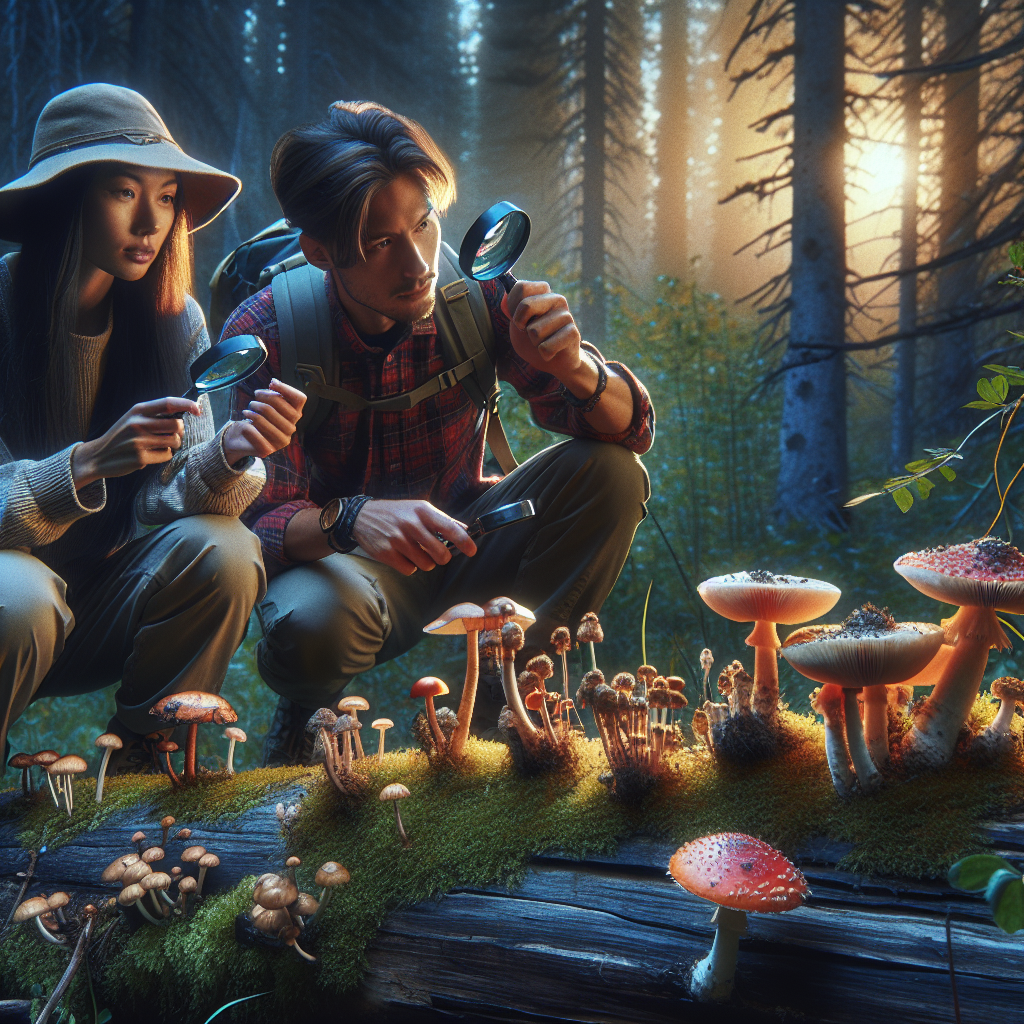
Mushrooms have captured the fascination of humans for centuries. From culinary delights to medicinal wonders, these fungi are versatile and exciting to cultivate. In Colorado, home to diverse ecologies ranging from arid deserts to lush alpine forests, mushroom cultivation offers a unique opportunity for both hobbyists and serious growers. In this deep dive, we will explore how to grow mushrooms in Colorado, addressing key questions, covering best practices, and sharing insights for successful cultivation.
Understanding the Basics of Mushroom Growth
1. What Are Mushrooms?
Mushrooms are the fruiting bodies of fungi, primarily belonging to the kingdom Fungi. They play a vital role in the ecosystem, breaking down organic matter and contributing to soil health. Unlike plants, mushrooms do not use sunlight for energy; instead, they obtain nutrients through a process called decomposition.
2. Why Grow Mushrooms in Colorado?
Growing mushrooms in Colorado is not just a hobby; it’s a sustainable practice that can contribute positively to the environment as well as the local economy. Plus, the state’s varied climates and elevations create a unique backdrop for different mushroom species.
Some key reasons to grow mushrooms in Colorado include:
- Biodiversity: Colorado has a wide range of habitats from grasslands and forests to mountains, providing an ideal setting for growing various mushroom species.
- Fresh Produce: The ability to grow your own mushrooms means access to fresh, organic produce, enhancing your culinary dishes.
- Health Benefits: Many mushrooms, such as shiitake and reishi, have been studied for their medicinal properties.
- Low Space Requirement: Mushroom cultivation can be done indoors or in small spaces, making it ideal for urban environments.
Getting Started: Essential Requirements
3. What Equipment and Supplies Do I Need?
Having the right equipment is fundamental to successful mushroom cultivation. Here’s a list of items you will need:
- Mushroom Spawn: This is the mycelium (the vegetative part of the fungus) that you will grow into mushrooms. Various types of spawn are available depending on the mushroom species.
- Growing Medium: Mushrooms can grow on a variety of substrates. Common materials include straw, sawdust, coffee grounds, and hardwood logs.
- Container or Growing Space: Depending on your scale, you can use plastic bins, bags, or even outdoor spaces like gardens or greenhouses.
- Moisture Control: Humidity is crucial in mushroom growing. A spray bottle and humidity tent can help maintain the necessary moisture levels.
- Climate Control: Some mushrooms need specific temperature ranges; thus, climate control equipment like heaters or air conditioners may be required in certain conditions.
- Filters: High-efficiency particulate air (HEPA) filters can help keep the growing environment free from contaminants.
4. What Species Can I Grow in Colorado?
Colorado is home to various ecosystems that can support different mushroom species. Below, we’ll cover some popular types:
- Oyster Mushrooms (Pleurotus ostreatus): Fast-growing and tolerant of a range of temperatures, oyster mushrooms thrive on various substrates, making them a favorite among beginners.
- Shiitake Mushrooms (Lentinula edodes): Known for their rich flavor, shiitakes are typically grown on hardwood logs or sawdust blocks. They prefer medium to high humidity and cooler temperatures.
- Lion’s Mane (Hericium erinaceus): This unique mushroom has a shaggy appearance and offers significant health benefits. It’s relatively easy to grow on hardwood sawdust.
- Reishi (Ganoderma lucidum): Highly regarded in traditional Chinese medicine, reishi typically requires a more extended cultivation period and is usually grown on logs.
- Button Mushrooms (Agaricus bisporus): The common grocery store mushroom; these are grown most often in composted substrates and can be cultivated indoors.
The Cultivation Process
5. What Are the Steps to Grow Mushrooms?
Cultivating mushrooms involves several stages: preparation, inoculation, colonization, fruiting, and harvesting. Here’s a detailed breakdown:
Preparation
-
Sterilization: Clean substrates (straw, sawdust, etc.) need to be sterilized to eliminate harmful bacteria and other fungi. This can be done using a pressure cooker or pasteurization methods.
-
Moisture Content: Ensure the substrate has the right moisture content—approximately 60-70% is ideal. If too wet, the substrate can ferment; too dry, and the mycelium will struggle to colonize it.
Inoculation
-
Inoculation: Once the substrate is cooled, it is time to introduce the mushroom spawn. This should be done in a clean environment to prevent contamination.
-
Mixing: Gently mix the spawn into the substrate, ensuring an even distribution for optimal growth.
Colonization
- Incubation: Place your inoculated substrate in a dark area with consistent temperatures (generally between 70-75°F) for about 1-2 weeks. Mycelium will start to colonize the substrate.
Fruiting
-
Initiating Fruiting Conditions: As soon as colonization is complete, you need to introduce fruiting conditions. This often involves lowering the temperature, increasing humidity, and introducing light.
-
Humidity and Fresh Air: Maintaining high humidity of around 85-90% and providing fresh air exchange will encourage the mushroom to fruit.
Harvesting
- Harvesting: Mushrooms are usually ready to harvest when the caps stretch and begin to flatten. Use a sharp knife to cut them, avoiding pulling them out to prevent damage to the mycelium.
6. How Long Does It Take to Grow Mushrooms?
The time required to grow mushrooms depends on the species and the conditions:
- Oyster Mushrooms: Approximately 3-6 weeks from inoculation to harvest.
- Shiitake Mushrooms: Can take 6-12 months if grown on logs, but sawdust blocks typically fruit in about 6-12 weeks.
- Lion’s Mane: Generally takes about 1-4 weeks after colonization.
- Reishi: Takes several months, as they require longer colonization and fruiting periods.
- Button Mushrooms: Typically take 4-6 weeks from spawning to harvest.
Overcoming Challenges
7. What Are Common Issues When Growing Mushrooms?
While mushroom cultivation can be rewarding, it’s not without its challenges. Here are common issues and how to address them:
-
Contamination: Contaminants can outcompete your mushrooms, leading to failure. Ensure all equipment and substrates are sterile. Practicing good hygiene and working in a clean environment can mitigate risks.
-
Insufficient Humidity: Mushrooms thrive in high humidity (around 85-90%). If the humidity drops, mushrooms may fail to fruit or develop improperly. Using a humidifier or regular misting can help maintain moisture levels.
-
Improper Temperature: Each species has specific temperature preferences. Ensure conditions match the requirements for the mushrooms you are growing.
-
Pest Infestations: Various insects may invade mushroom growing spaces. Monitor for pests and consider using physical barriers or organic methods to manage infestations.
Understanding Japanese Cultivation Techniques
8. What is the Log Cultivation Method?
The log cultivation method has its roots in traditional Japanese mushroom growth. This age-old technique optimally utilizes materials available in their natural habitat. Here’s how it works:
-
Selecting the Logs: Freshly cut hardwood logs, typically 3-8 inches in diameter, ensure the best results. Common tree types include oak, maple, and beech.
-
Inoculation: Using a drill, small holes are made in the logs, which are then inoculated with shiitake or reishi spores.
-
Seal the Holes: Typically, wax is used to seal the holes to prevent contamination.
-
Conditioning: The logs are left in a shaded, moist area for 6-18 months until mycelium has fully colonized the log.
-
Fruiting: Once colonized, logs are soaked in water to initiate fruiting. When conditions are right, mushrooms will begin to sprout!
This method not only allows for sustainable fungus growth but also integrates seamlessly into the local ecosystem.
The Economic Aspect
9. Is Mushroom Cultivation Profitable?
Mushroom Farming as a Business: The mushroom industry has shown consistent growth, driven by the increasing demand for organic produce and superfoods. Consider these factors if you’re thinking about mushroom farming as a livelihood:
-
Startup Costs: Initial investment costs can be manageable, especially if you start on a small scale. Equipment, substrate, and spawn are your main expenses.
-
Market Potential: Local farmers’ markets, restaurants, and health food stores are significant outlets for fresh mushrooms, providing an excellent opportunity for sales.
-
Value-Added Products: Consider creating value-added products like dried mushrooms, mushroom powders, or gourmet mushroom preserves.
-
Agritourism Opportunities: As mushrooms gain popularity, offering workshops, farm tours, or mushroom foraging events can augment income.
Community and Education
10. Where Can I Get More Information?
As interest in mushroom cultivation continues to grow in Colorado, numerous resources and communities are available for further education and support:
-
Local Agricultural Extensions: Many counties have agricultural extension offices that provide advice on growing mushrooms, including workshops and seminars.
-
Mycological Societies: Joining groups such as the Colorado Mycological Society can offer resources, networking opportunities, and access to local foraging events.
-
Online Courses and Webinars: Platforms like Coursera and Udemy offer comprehensive course options for budding mycologists.
-
Books and Guides: Numerous books offer insights into mushroom biology, best practices, and recipes for integrating mushrooms into your diet.
Conclusion
Growing mushrooms in Colorado is not only a fulfilling endeavor but also an avenue for sustainable living, contributing positively to the environment and community. The incredible variety of mushrooms available, combined with Colorado’s lush and diverse ecosystems, can inspire hobbyists and entrepreneurs alike.
Whether you’re growing for personal use or envisioning a mushroom farming business, the journey will be rich with learning and rewarding experiences. So, gather your supplies, explore the wealth of resources available, and step into the captivating world of mushroom cultivation—Nature’s hidden treasure awaits!