
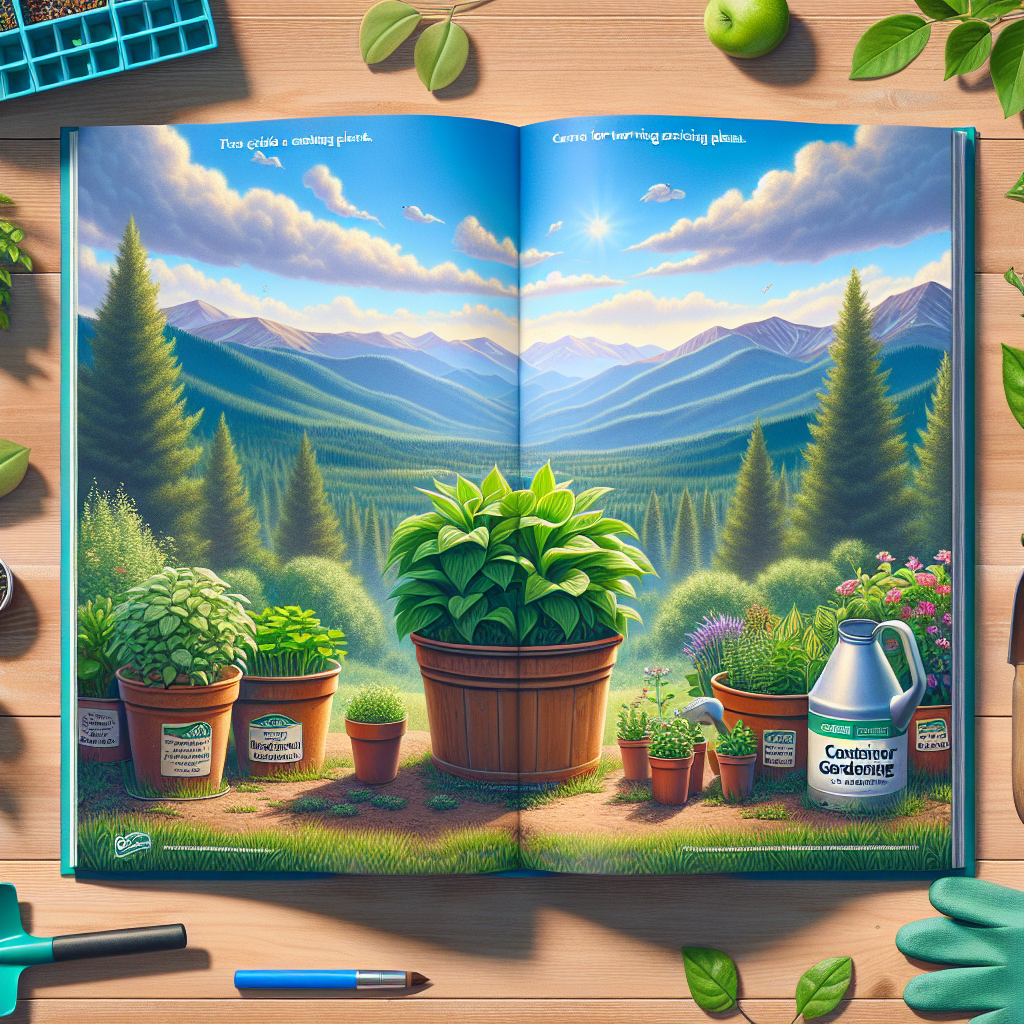
Container gardening offers a versatile, rewarding, and often practical way to cultivate plants in locations where traditional gardening may be challenging. In Colorado, with its diverse climate, varying altitudes, and unique growing conditions, container gardening can be particularly beneficial. Whether you’re an experienced gardener or a novice, container gardening allows you to create thriving gardens that suit your lifestyle and space.
The Allure of Container Gardening
Before diving into specifics about gardening in Colorado, let’s explore the general appeal of container gardening:
-
Space Efficiency: Container gardens are perfect for those with limited yard space, such as apartment dwellers or homeowners with tiny lots.
-
Mobility: Containers enable gardeners to reposition their plants based on sunlight, water requirements, or aesthetic desires.
-
Customization: You can select pots that match your decor, creating a visually appealing garden space.
-
Soil Control: Container gardening allows you to manage the soil mixture, ensuring optimal growing conditions.
-
Pest Management: With plants removed from the ground, it can sometimes be easier to control pests and diseases.
Unique Challenges of Gardening in Colorado
Colorado poses specific challenges for gardeners due to its geographical and climatic conditions. Here are some aspects to consider:
-
Altitude: Depending on where you live, Colorado’s elevation can range from about 3,000 to over 14,000 feet. Higher elevations mean cooler temperatures, a shorter growing season, and stronger UV rays.
-
Moisture Levels: The state’s arid nature means that moisture can evaporate quickly, making consistent and careful watering essential.
-
Temperature Fluctuations: Colorado is known for its wide temperature variations, which can lead to frost in the spring and fall when plants are most vulnerable.
-
Soil Composition: Depending on your specific location, soil quality can vary dramatically, making plant care more complicated.
-
Wind: Areas of Colorado are often windy, which can affect container stability and moisture retention.
FAQs Regarding Container Gardening in Colorado
What types of plants should I grow in containers in Colorado?
When selecting plants for your containers, it’s essential to consider the growing conditions and your local climate. Here is a list of suitable plant categories:
1. Vegetables:
- Tomatoes: Look for determinate varieties, which stay smaller and produce fruit all at once.
- Peppers: Varieties like jalapeño and bell peppers thrive in containers.
- Lettuce and Greens: Fast-growing greens, such as spinach and arugula, are ideal.
- Root Vegetables: Carrots, radishes, and beets can also grow well in deeper containers.
2. Herbs:
- Basil: Thrives in sunny conditions.
- Chives: Hardy and resilient.
- Oregano and Thyme: Perennial herbs that do well in container environments.
3. Flowers:
- Marigolds: Bright, vibrant, and excellent at deterring pests.
- Petunias: Offer a splash of color.
- Snapdragons: These add height and visual interest.
4. Small Fruits:
- Strawberries: Perfect for containers and can provide great yields.
- Blueberries: Prefer acidic soils, so consider using a suitable potting mix.
How do I choose the right containers?
The right container can make all the difference in your gardening experience. Consider the following factors:
-
Size: Ensure the container is large enough to accommodate your plants’ root systems. Generally, a container that is at least 12 inches deep is ideal for most vegetables.
-
Material: Common materials include:
- Plastic: Lightweight and affordable but ensures good drainage.
- Clay: Porous, allowing moisture to escape but may dry out quickly.
- Wood: Aesthetic but can degrade over time unless treated.
-
Drainage: Good drainage is crucial to prevent root rot. Make sure all containers have drainage holes.
-
Color: Dark containers absorb more heat, which can be beneficial in cooler regions.
-
Mobility: Consider using pots with wheels or lightweight materials if you intend to move your containers often.
What soil should I use for container gardening?
Using the right soil is crucial for healthy plant growth. In Colorado, consider the following types:
-
Potting Mixes: These are specially formulated for container gardening and often contain a blend of peat moss, vermiculite, and other organic materials.
-
Amendments: Adding organic matter, such as compost, can improve soil nutrition and moisture retention.
-
Mulching: Adding a layer of organic mulch on top of the soil can help retain moisture and suppress weeds.
When is the best time to plant?
In Colorado, the planting season can be complicated by frost. Here are some general guidelines:
-
Last Frost Date: For most areas, the last frost date can typically fall between mid-May and early June. Research your local area’s specific dates.
-
Cold Frames or Cloches: If you want to start early, consider using cold frames or row covers to protect young plants from unexpected frost.
-
Succession Planting: Due to the shortened growing seasons, consider planting in intervals to optimize your harvest.
How can I ensure proper watering?
In Colorado, with its arid climate, moisture retention is critical. Follow these strategies:
-
Consistent Watering Schedule: On average, containers will need watering every day to every other day, especially during hot weather.
-
Soil Moisture Monitoring: Check soil moisture by sticking your finger into the soil. If the top inch feels dry, it is time to water.
-
Draining: Make sure excess water can escape to prevent root rot.
-
Self-Watering Containers: Consider using self-watering pots that can help regulate moisture levels.
What pests and diseases should I watch for?
Pests can be particularly bothersome in container gardens. Here are some common ones to look out for and manage:
-
Aphids: Tiny, sap-sucking pests that may infest your plants. Use insecticidal soap or just spray them off with a strong stream of water.
-
Spider Mites: A common pest in dry conditions. Ensure there’s enough humidity in the air to deter these pests.
-
Powdery Mildew: This fungal disease loves warm and dry conditions. Ensure good air circulation and consider using a fungicide if necessary.
-
Slugs and Snails: Often attracted to moisture, creating barriers and using bait can help manage their populations.
Can container gardening be cost-effective?
Absolutely! While there are initial costs for containers and soil, they can be more cost-effective in the long run:
-
Less Waste: You can grow only what you eat, thereby reducing waste.
-
Accessibility: Easier access to fresh herbs and vegetables can lessen the need for store-bought produce.
-
Variety: You can mix and match plants, providing a greater variety of fresh produce without the commitment of a full garden.
How can I extend my growing season?
In Colorado’s climate, extending your growing season can be beneficial for maximizing harvests:
-
Greenhouses: Consider investing in a small greenhouse for better control over climate conditions.
-
Row Covers: Use floating row covers to protect plants from frost.
-
Heat-Tolerant Plants: Select varieties that mature quickly and are suitable for the fluctuating temperatures of Colorado.
-
Continue Growing Indoors: Some herbs and leafy greens can thrive when moved indoors as the colder months approach.
Tips for Success
1. Companion Planting
Companion planting can increase plant health, deter pests, and optimize space. Here are a few ideas:
- Basil with tomatoes can enhance flavor and deter pests.
- Marigolds can repel harmful nematodes and other pests.
- Nasturtiums are excellent trap crops for aphids.
2. Seasonal Changes
Adjust your planting and care strategies with the seasons:
- Spring: Focus on cool-weather crops and herbs.
- Summer: Transition to warmer weather plants and ensure proper watering.
- Fall: Start planting fall crops and extend your season with coverings.
3. Harvest Wisely
Regular harvesting encourages more prolific growth. For leafy greens, cut leaves rather than pulling up the whole plant, which encourages growth.
A Final Note
Container gardening in Colorado not only fosters a sustainable lifestyle but also allows for creative expression and connection to nature. It can be a lovely refuge, bringing joy and nourishment. Regardless of whether you’re an experienced gardener or just starting, the fulfillment of watching your plants thrive can be incredibly rewarding.
Each diverse plant you nurture in your container reflects not only the care you provide but also the beauty of Colorado itself. With the right knowledge and techniques, anyone can succeed in creating their own garden oasis, right in a container.
So, grab your pots, some quality soil, and seeds, and embark on an exciting adventure into the world of container gardening! The beauty of lush plants and vibrant blooms awaits, encouraging you to dig deep, grow tall, and enjoy the thriving garden right at your fingertips.