
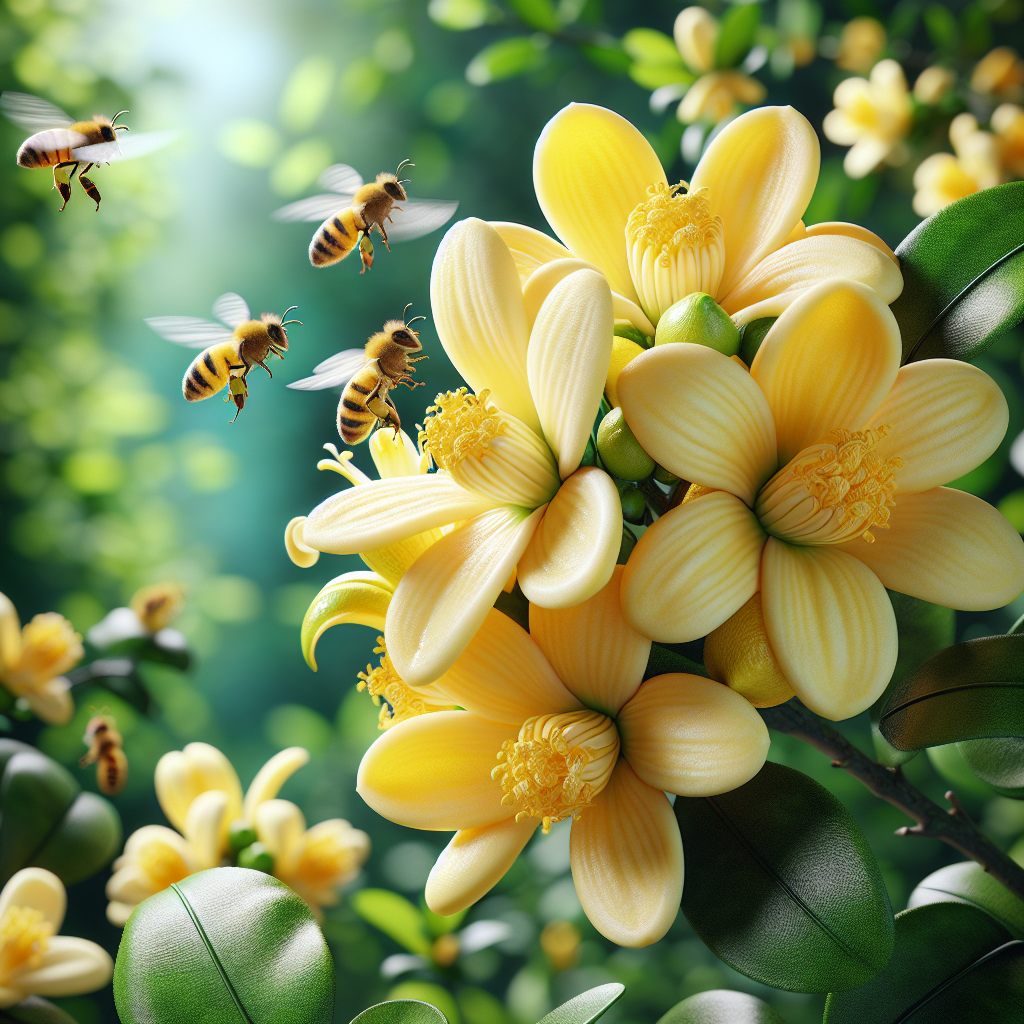
The lemon tree (Citrus limon) is a well-known fruit-bearing tree that has captivated gardeners, chefs, and herbalists alike for centuries. Its vibrant green leaves, fragrant flowers, and bright yellow fruit have made it a staple in many cultures and cuisines around the world. However, nestled amidst its many attributes, the lemon tree flower stands out as a remarkable part of its life cycle, embodying beauty, fragrance, and numerous benefits. In this comprehensive article, we will explore the lemon tree flower in depth, addressing essential questions and enlightening you about its characteristics, uses, and significance.
Understanding the Lemon Tree Flower
The lemon tree flowers are delicate, fragrant blossoms that pave the way for fruit production. They bloom in clusters along the branches of the tree, often appearing almost all year round in optimal conditions. Here’s a closer look at some of the features and aspects that make lemon tree flowers so fascinating.
What Does a Lemon Tree Flower Look Like?
Lemon tree flowers are typically white to pale pink, measuring about 1 to 2 inches in diameter. Each flower has five petals and a multitude of yellow stamens, which enhance the flower’s allure. The petals have a waxy texture, and the flowers emit a sweet, citrusy fragrance that attracts various pollinators, including bees and butterflies.
When Do Lemon Tree Flowers Bloom?
Lemon trees exhibit a characteristic phenology called “ever-blooming,” meaning their flowers can appear throughout the year under ideal conditions, although they typically have two primary blooming periods—spring and fall. This continuous flowering is partly due to the tree’s ability to adapt to its environment, enabled by the warm climates where it generally thrives.
How Do Lemon Tree Flowers Develop?
The process of flower development in lemon trees involves several stages, starting from bud formation to full bloom. Initially, flower buds emerge from leaf axils and begin to develop. The transition from bud to flower is influenced by factors such as temperature, moisture, and overall tree health. Ideal conditions promote not just flowering but also effective pollination and fruit set.
The Life Cycle of the Lemon Tree Flower
To understand the significance of lemon tree flowers, it’s essential to explore their life cycle.
1. Bud Development
The journey begins when the tree produces flower buds in the spring. Hormonal changes within the tree signal the transition from vegetative growth to reproductive development. This is influenced by environmental cues like increased daylight and temperature.
2. Pollination
Once the buds begin to bloom, it’s time for pollination. While lemon trees are primarily self-pollinating, they benefit from the presence of bees and other pollinators. The pollen from the male parts of the flower fertilizes the ovules in the female parts, setting the stage for fruit development.
3. Fertilization
After successful pollination, fertilization occurs, leading to the formation of seeds within the growing fruit. The petals of the flower fall off, and the ovary begins to enlarge as it develops into a lemon.
4. Fruit Development
As the fruit swells and ripens, it draws energy and nutrients from the parent tree. This period can last from four to six months, depending on the variety and environmental factors.
5. Fruit Maturity and Harvest
Once the lemons reach maturity, they can be harvested. Depending on harvesting techniques and tree health, the fruit can remain on the tree for longer periods, but for the best flavor and quality, timely harvesting is crucial.
Benefits of the Lemon Tree Flower
Lemon tree flowers offer a plethora of benefits, both ecological and culinary. Here are some noteworthy advantages:
1. Attracts Pollinators
As mentioned earlier, lemon tree flowers are a magnet for various pollinator species. The sweet aroma and vibrant color attract bees, butterflies, and other insects, which are critical for the pollination of numerous plants in the ecosystem.
2. Culinary Uses
The blossoms of lemon trees can be used in culinary applications. Lemon blossom tea, made from steeping fresh flowers, boasts a subtle floral flavor and numerous health benefits. It’s often enjoyed for its calming effects as well as its potential to aid digestion.
3. Aromatherapy and Essential Oils
Lemon flowers are also used in aromatherapy. The fragrant aroma of lemon blossoms is said to alleviate stress and anxiety, providing a mood-enhancing effect. The essential oils derived from lemon flowers are often incorporated into beauty products and perfumes for their refreshing scent.
4. Medicinal Properties
Historically, lemon blossoms have been used for their medicinal properties. Herbalists believe they can aid in treating various ailments, such as respiratory issues and digestive problems. The floral components hold potential antioxidant properties, which contribute to overall health.
5. Aesthetic Appeal
From a horticultural perspective, lemon tree flowers add undeniable beauty to gardens. Their delicate appearance and captivating fragrance can enhance the visual and olfactory experiences in any outdoor space.
Growing Lemon Trees: The Importance of Flowers
When contemplating the cultivation of lemon trees, understanding the role of flowers in the tree’s lifecycle is paramount. Let’s address some common questions individuals might have regarding the growth and care of lemon trees, primarily focusing on their flowers.
Can Lemon Trees Grow Indoors?
Yes, lemon trees can be adult indoor plants, especially varieties like the ‘Improved Meyer Lemon.’ Ensuring they receive adequate sunlight and maintaining optimal humidity levels are crucial for flowering and fruiting indoors.
What Soil Is Best for Lemon Trees to Flower?
Lemon trees thrive in well-draining soils that are enriched with organic matter. A slightly acidic to neutral pH (around 5.5 to 6.5) promotes healthier flowering. Avoid dense clay soils that retain excessive moisture, as this can lead to root rot and impede flowering.
How Much Sunlight Do Lemon Trees Need?
For optimal blooming and fruiting, lemon trees require full sunlight—approximately 8 to 12 hours daily. If grown indoors, placing them near south-facing windows usually provides the necessary light.
How Can I Encourage My Lemon Tree to Bloom?
To encourage blooming, provide balanced nutrition through organic fertilizers rich in nitrogen, phosphorus, and potassium. Proper watering, pruning, and pest management are also essential to maintain plant health and initiate flowering.
What Should I Do If My Lemon Tree Isn’t Blooming?
If your lemon tree is not blooming, first assess its growing conditions. Check factors like light, water, temperature, and nutrient levels. If these factors are adequate, consider whether the tree is experiencing stress, such as extreme temperatures or pest attacks.
The Cultural Significance of Lemon Tree Flowers
Beyond their practical advantages, lemon tree flowers hold rich cultural significance in various societies around the globe.
Symbolism of the Lemon Blossom
In many cultures, lemon blossoms symbolize purity, fidelity, and love. Their delicate beauty often makes them a popular choice for floral arrangements at weddings and other celebratory events.
Lemon Blossom in Folklore
Lemon blossoms have also found their way into folklore and traditions. For example, in Mediterranean regions, lemon trees are often associated with happiness and prosperity, being planted near homes to invite good fortune.
Culinary Traditions Involving Lemon Flowers
Different cultures utilize lemon flowers in unique culinary applications. In parts of Italy, lemon blossom syrup is a delicacy, while in Japan, lemon flowers may be used in traditional sweets. Their unique flavor can elevate dishes and add a fragrant twist to beverages.
Environmental and Economic Impact
Lemon trees, including their flowers, play a key role in our ecosystem and economy.
Biodiversity and Ecosystem Health
By attracting and supporting a variety of pollinators, lemon tree flowers contribute to the overall biodiversity of their habitats. Healthy pollinator populations are crucial for food production and the balance of ecosystems.
Economic Importance
Lemon production is significant in various agricultural economies, creating jobs and supporting local communities. The delicate flowers play an integral role in the reproductive cycle of the trees, ultimately leading to fruit production and economic benefits.
Conclusion: A Celebration of Life
In understanding the intricacies of the lemon tree flower, we uncover a world filled with beauty, fragility, culinary potential, and ecological importance. From their breathtaking bloom to their vital role in producing one of the world’s most beloved fruits, lemon tree flowers encapsulate the essence of resilience and adaptability.
Whether enjoyed in teas, integrated into aromatherapy, or simply appreciated for their stunning beauty, the lemon tree flower is indeed nature’s gift—reminding us of the simple yet profound joys that life offers. Cultivating lemon trees not only enriches our gardens but also fosters a deeper connection with the environment. Embrace the magic of lemon tree flowers, and you will find a world brimming with possibility and delight.