
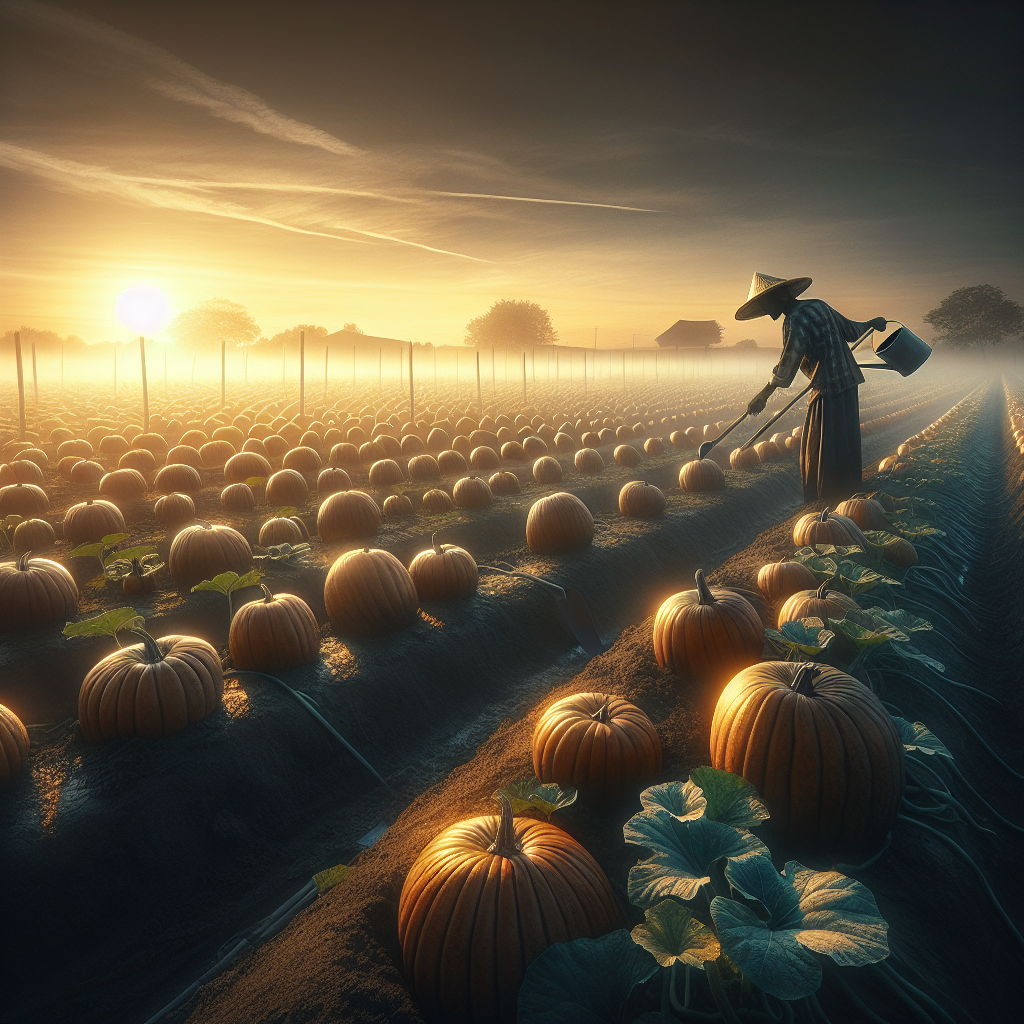
As autumn approaches, the allure of pumpkins reignites across Indiana. Whether they’re destined for carving into Jack-o’-lanterns, decorating porches, or gracing Thanksgiving tables, pumpkins are a quintessential symbol of fall. But before you can enjoy the festivities, there’s a critical task to accomplish: planting those pumpkins. In this article, we’ll explore the best practices for planting pumpkins in Indiana, answering common questions and providing key insights that will lead you through the delightful journey from seed to harvest.
Why Pumpkins?
Pumpkins are a part of the gourd family and have deep cultural significance in America. They are used in various culinary dishes, decor, and even in contests for the largest pumpkin. Moreover, they are a fun project for families, schools, and community gardens. For aspiring gardeners, growing pumpkins can be a fulfilling venture.
Ideal Conditions for Planting
1. Climate:
Indiana falls within USDA Plant Hardiness Zones 5b to 6a, which means it experiences four distinct seasons, with relatively warm summers and cold winters. This climate directly influences when you should plant your pumpkins.
2. Soil:
Pumpkins thrive in fertile, well-drained soils. They prefer slightly acidic to neutral pH levels (between 6.0 and 7.0). Soil that is rich in organic matter provides the nutrients that pumpkins need to grow large and healthy.
3. Sunlight:
Pumpkins require full sun for optimal growth, meaning they need at least 6 to 8 hours of direct sunlight daily.
When to Plant Pumpkins in Indiana
Timing is Everything
1. Frost Dates:
One of the keys to successful pumpkin planting is understanding the average last frost date in your area. In most of Indiana, the last frost typically occurs between late April and early May. It’s crucial to wait until after this date to plant your seeds to avoid damaging your plants.
- Tip: A good rule of thumb is to wait until the soil temperature reaches 70°F (21°C). You can use a soil thermometer to check this.
Ideal Planting Timeframes
1. Direct Seeding:
If you choose to plant your pumpkins directly in the ground, you should aim for mid to late May. This timing allows seeds to germinate and plants to establish themselves during the warmer early summer months.
2. Transplanting:
If you prefer starting your seeds indoors, sow pumpkin seeds in biodegradable pots about 3 to 4 weeks before the last expected frost date (around late April). This allows your plants to mature slightly before being transplanted outdoors. Make sure to harden off the young plants for about a week before the big move.
Frequently Asked Questions About Pumpkin Planting in Indiana
1. What Varieties of Pumpkins Should I Plant?
There are a plethora of pumpkin varieties suited for different uses. Here are a few popular options:
- Jack-o’-Lantern: Standard for carving, these pumpkins are usually medium to large sized and have sturdy skins.
- Pie Pumpkins: These smaller, sweeter varieties (like ‘Sugar Pie’) are ideal for baking.
- Giant Pumpkins: If you’re interested in contests, varieties like ‘Atlantic Giant’ could be your choice, but they require ample space and care.
2. How Much Space Do Pumpkins Need?
Pumpkin vines can spread quite a bit. Each plant generally requires about 50 to 100 square feet of space. Depending on the variety, maintain appropriate spacing:
- Bush varieties: These need about 2 feet apart.
- Vining varieties: Space them 5 to 7 feet apart.
Proper spacing not only encourages healthy growth but also improves air circulation, which helps prevent disease.
3. How Do I Prepare My Soil?
Soil preparation is critical for a successful pumpkin patch. Here’s how:
- Test Your Soil: Use a soil test kit to ascertain pH and nutrient levels.
- Amend the Soil: Depending on your test results, you may need to add lime to adjust pH or organic matter like compost to enrich the soil.
- Tillage: Till the soil to a depth of about 12 inches to encourage aeration and drainage.
4. What Are the Best Planting Techniques?
When planting your pumpkins, consider the following methods:
- Mounding: Create mounds about 4 feet wide where you’ll plant your seeds. This improves drainage and warms the soil.
- Hill Planting: Plant 3 to 4 seeds per mound and thin it to 2 strong plants once they germinate.
5. What About Watering and Fertilizing?
Pumpkins require a consistent watering routine:
- Watering: Aim for about 1 inch of water per week. Mulching can help retain moisture while suppressing weeds.
- Fertilizing: Use a high-phosphorus fertilizer at planting time, and transition to a balanced fertilizer once the vines start to run.
6. What Pests and Diseases Should I Watch Out For?
Pumpkins in Indiana face threats from various pests and diseases, including:
- Aphids: These tiny pests can weaken your plants.
- Squash Bugs: They tend to congregate on the base of the leaves and can be fatal to young plants.
- Powdery Mildew: A fungal disease that appears as white spots on leaves; ensure good air circulation and avoid overhead watering to prevent this.
Preventive Measures:
- Crop rotation
- Using row covers
- Handpicking pests
7. How Long Does It Take for Pumpkins to Grow?
Most pumpkin varieties will take about 75 to 120 days from planting to harvest, depending on the variety. This means if you plant your seeds by late May, you can expect to be harvesting by September to October.
Care and Maintenance During Growth
Once planted, your pumpkin patch needs regular attention:
1. Weeding
Pumpkins can be outcompeted by weeds. Regular hand-pulling or hoeing can help keep them at bay. Remember to be cautious around the pumpkin vines to avoid damaging their delicate roots.
2. Pruning
Pruning can help guide the energy of the plant. Pinching back certain vines can direct more resources to fewer fruits, which typically results in larger pumpkins.
3. Supporting Your Plants
If you are growing larger varieties or want to grow on a trellis, consider supporting your pumpkins with slings made from fabric or netting to prevent them from rotting when lying on the ground.
Harvesting Your Pumpkins
As fall approaches, excitement builds for the pumpkin harvest. Here are some signs to look out for:
- Color: Ensure the pumpkin has reached its full color (usually deep orange for most varieties).
- Sound: When you knock on the skin, a hollow sound indicates it’s ready.
- Stem: The stem should be hard and brown.
To harvest, cut the stem with a sharp knife rather than pulling it off to prevent injury to the plant.
Storage Tips for Your Pumpkins
Once harvested, proper storage is crucial for longevity:
- Curing: Leave pumpkins in a warm, dry place for a week or two to cure. This process helps harden the skin and extend shelf life.
- Storage Conditions: Keep them in a cool, dry, and dark place to prevent rot.
Common Mistakes to Avoid
- Planting Too Early: Don’t risk frost damage—wait until the soil is warm.
- Insufficient Space: Crowding can stunt growth and encourage diseases.
- Neglecting Watering: Inconsistent watering can lead to stressed plants.
- Ignoring Pest Control: Regular monitoring can prevent small problems from escalating.
Conclusion
Growing pumpkins in Indiana is more than just a gardening project; it’s an enriching experience that brings joy to families and communities alike. By understanding the best planting times, proper care techniques, and potential pitfalls to avoid, you can cultivate a thriving pumpkin patch that yields beautiful, delicious pumpkins just in time for fall.
So gather your seeds, plan your garden, and embark on the great pumpkin adventure this planting season! Happy gardening!