
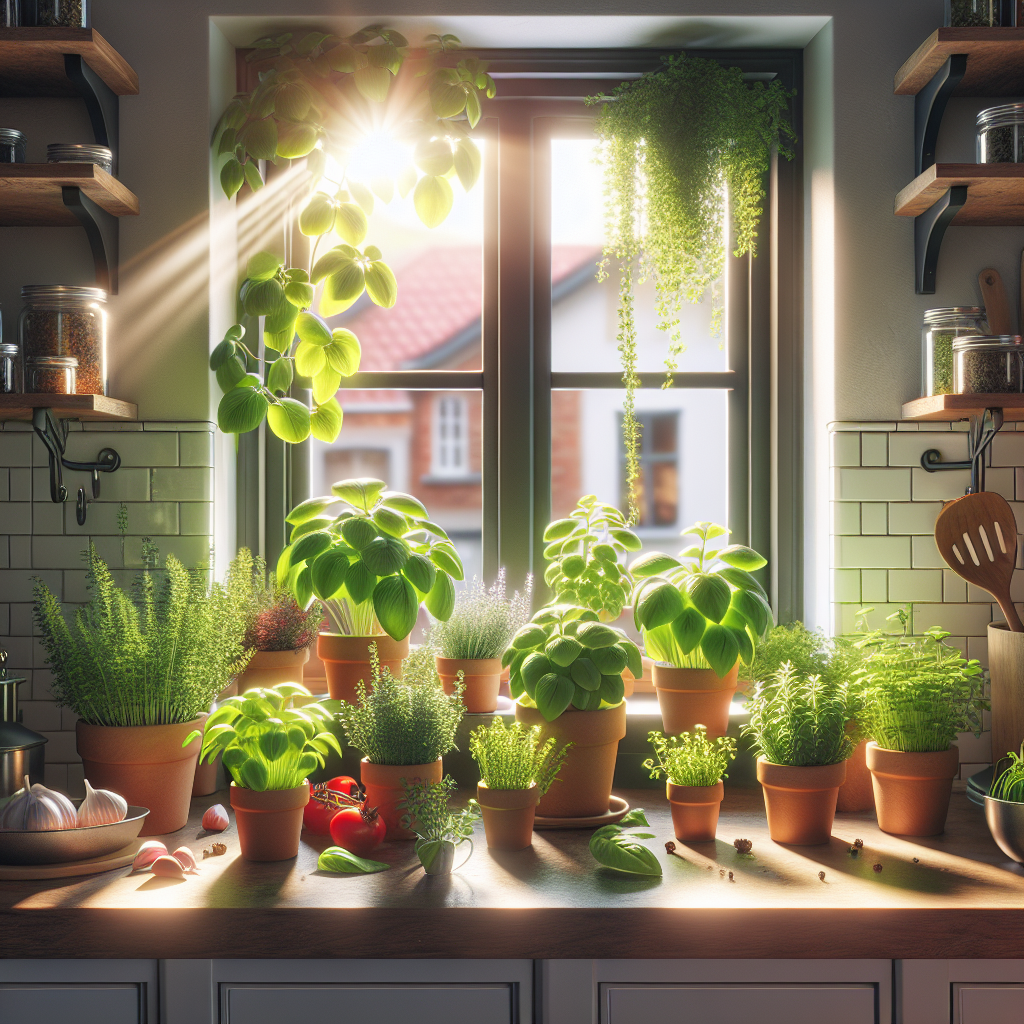
Creating a small culinary herb garden in your backyard, balcony, or even indoors can be one of the most rewarding gardening experiences. Not only do herbs enhance your culinary creations, but they also bring the joy of nurturing plants to your home. In this article, we will explore various ideas for growing herbs in small spaces, answer common questions, and provide practical tips to ensure your garden flourishes.
Table of Contents
- Why Grow Culinary Herbs?
- Choosing the Right Location
- Essential Culinary Herbs to Grow
- Small Space Gardening Techniques
- Containers Versus Ground Planting
- Soil and Fertilization Needs
- Watering and Maintenance Tips
- Pest Control Strategies
- Harvesting and Using Your Herbs
- Conclusion
1. Why Grow Culinary Herbs?
Growing your own culinary herbs offers multiple benefits:
- Freshness: Nothing compares to the flavor of fresh herbs. They pack a punch of flavor that dried versions simply cannot match.
- Convenience: Having herbs right by your kitchen allows for spontaneous cooking decisions without the hassle of a grocery store trip.
- Cost-Effective: Herbs can often be expensive when purchased at a supermarket, especially if they are organic. Growing your own can drastically cut costs.
- Health Benefits: Many culinary herbs are rich in antioxidants, vitamins, and minerals.
- Sustainability: By growing your own herbs, you can reduce food waste and decrease your carbon footprint.
2. Choosing the Right Location
Where you place your herb garden can significantly affect its success. Here are some key considerations:
- Sunlight: Most culinary herbs require 6–8 hours of sunlight daily. Assess the sunlight availability in your chosen location.
- Accessibility: Pick a spot close to your kitchen for convenience. If you’re using pots, consider your balcony or windowsill.
- Protection: Herbs can be sensitive to extreme temperatures. Choose a sheltered area, particularly for delicate plants like basil.
3. Essential Culinary Herbs to Grow
The following culinary herbs are perfect for beginners and provide a variety of flavors for multiple recipes:
- Basil: Perfect for Italian dishes, pesto, and salads; loves warmth and sunlight.
- Parsley: A versatile herb that can garnish or flavor many dishes; grows well in pots.
- Cilantro: Widely used in Mexican, Indian, and Asian cuisine; prefers cooler temperatures.
- Thyme: Great for flavoring meats, vegetables, and soups; drought-tolerant once established.
- Rosemary: Hardy evergreen that thrives in poor soil; excellent for roasted dishes.
- Mint: Refreshing flavor for drinks and desserts; be careful, as mint can spread aggressively.
- Chives: Mild onion flavor; self-seeding and perennial in many climates.
4. Small Space Gardening Techniques
When space is limited, innovative gardening techniques can maximize your yield:
- Vertical Gardening: Use wall-mounted planters or vertical garden systems. This allows you to grow more plants while minimizing floor space.
- Hanging Baskets: Herbs like thyme, mint, or trailing varieties of basil can be grown in hanging baskets, adding greenery to your outdoor or indoor spaces.
- Stacked Planters: Consider a multi-tiered planter. Stackable pots can create a beautiful vertical display while providing enough room for growth.
- Upside-Down Planters: For an unconventional approach, try growing herbs in upside-down planters to save space and add whimsy.
5. Containers Versus Ground Planting
Containers:
- Mobility: If you’re using pots, you can move them to follow the sun or take them indoors during extreme weather.
- Soil Control: You can use the ideal growing medium for each type of herb.
- Space Efficiency: Perfect for balconies and patios.
Ground Planting:
- Sustainability: Ground-planted herbs can have deeper roots, leading to healthier plants.
- Water Retention: Soil in the ground can retain moisture better than pots.
- Perennials: Many herbs will come back year after year if planted in the ground.
6. Soil and Fertilization Needs
The type of soil you use can make a significant difference in the health of your herbs.
- Well-Drained Soil: Most herbs do not thrive in soggy conditions. A loose, well-draining mix is essential. Consider adding perlite or coarse sand to improve drainage.
- pH Levels: Most culinary herbs prefer a pH between 6.0 and 7.0. You can test your soil using a simple kit available at most garden centers.
- Fertilization: Usually, herbs require less fertilization than other plants. A balanced, slow-release fertilizer can be used at planting time. Organic options like compost or worm castings can also enrich the soil without chemical inputs.
7. Watering and Maintenance Tips
Watering and maintaining your herb garden requires attention but not excessive care. Here’s what to consider:
- Watering Frequency: Most herbs prefer to dry out a bit between waterings. A good rule of thumb is to check the top inch of soil; if it feels dry, it’s time to water.
- Drainage: Ensure that containers have drainage holes, and avoid letting pots sit in standing water.
- Pruning: Regularly trim your herbs to promote bushier growth and prevent bolting (flowering). For leafy herbs like basil, pinch off top leaves as they grow to encourage branching.
- Mulching: Use organic mulch to conserve moisture and suppress weeds.
8. Pest Control Strategies
Protecting your herbs from pests can be achieved through actively monitoring and using natural methods:
- Companion Planting: Some herbs naturally repel pests. For example, planting basil alongside tomatoes can deter aphids.
- Neem Oil: A natural insect deterrent, neem oil can help treat infestations and is safe for most plants.
- Hand-Picking: For larger pests, simply hand-picking off the plants can be effective. Regular inspection should keep infestations at bay.
- Row Covers: Use lightweight fabric covers to protect your herbs from flying insects while still allowing light in.
9. Harvesting and Using Your Herbs
The joy of gardening culminates in harvesting and utilizing your herbs:
- Timing: Harvest in the late morning when oils are most concentrated, but avoid taking more than one-third of the plant at a time to encourage further growth.
- Drying: For herbs used less frequently, consider drying them. Hang them in small bunches in a dark, dry spot for a few weeks.
- Freezing: Freezing herbs in ice cube trays with water or oil can provide easy flavor additions later.
- Culinary Uses: Incorporate herbs into your cooking by making pesto, marinades, or herb-infused oils. Fresh herbs elevate simple dishes, like salads and roasted meats.
10. Conclusion
Creating a small culinary herb garden is an enriching experience that can transform your cooking. The freshness of home-grown herbs adds vibrancy to meals and can inspire creativity in the kitchen. No matter what space you have available, whether it be a sunny windowsill or a tiny balcony, there are always means to cultivate these flavorful plants. With the information provided in this guide, you now possess all the tools and knowledge to embark on this culinary journey. Start your herb garden today, and enjoy the myriad benefits that come with it!
FAQs
Q: How can I ensure my herbs thrive indoors?
A: Place them near south or west-facing windows for optimal sunlight. Consider supplemental grow lights if natural light is insufficient.
Q: Can I grow herbs year-round?
A: Yes, many herbs can be grown indoors year-round. Just provide them with adequate light and temperature conditions.
Q: What should I do if my herbs start to flower?
A: If herbs begin to flower, they might become more bitter and lose their flavor. To prolong the growing season, pinch off the flowers before they bloom.
Q: How do I store fresh herbs for longer shelf life?
A: Fresh herbs can be stored in a jar of water in the fridge (like a bouquet) or wrapped in a damp paper towel inside a plastic bag.
Q: Are there specific herbs that are better for beginners?
A: Basil, chives, cilantro, and mint are often recommended for beginners due to their hardiness and ease of growth.
Take the plunge, dive into the world of herbs, and relish the journey of growing your own culinary flavors. Happy gardening!