
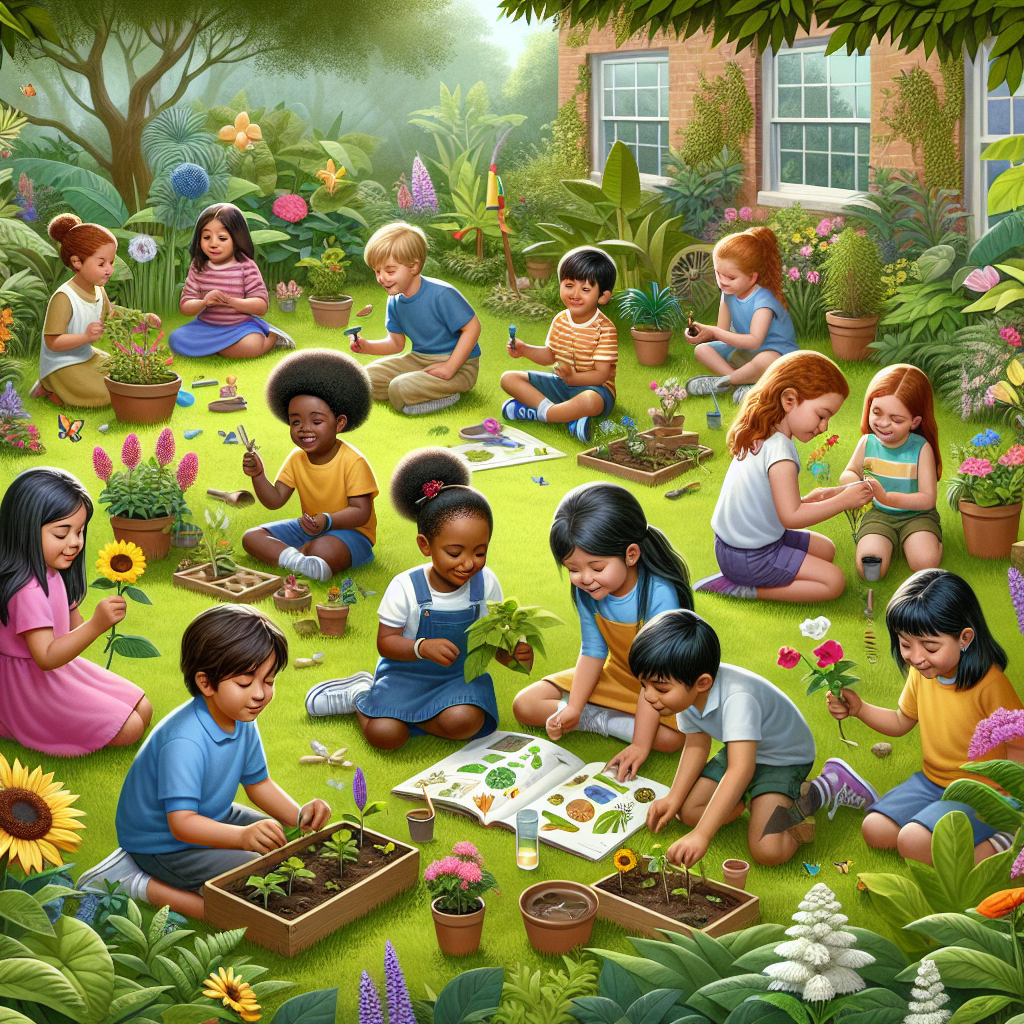
As the world becomes increasingly urbanized and technology-focused, the need to instill an appreciation for nature in young minds becomes ever more crucial. One effective way to achieve this is through engaging plant projects for elementary students. Not only do these projects enhance students’ understanding of biology and sustainability, but they also foster a sense of responsibility, teamwork, and creativity. In this article, we will explore various plant projects suitable for elementary students, address frequently asked questions, and highlight the myriad benefits of incorporating gardening and plant study into the classroom.
Understanding the Importance of Plant Projects
1. Why are Plant Projects Important for Students?
The significance of plant projects extends beyond the basics of plant biology. Here are some compelling reasons why they matter:
-
Hands-On Learning: Plant projects provide tangible, hands-on experiences. Students engage with living organisms, enhancing comprehension of complex concepts like photosynthesis, ecosystems, and plant anatomy.
-
Boosting Responsibility: Caring for plants teaches responsibility and commitment. Students learn to nurture, observe, and react to the needs of another living being.
-
Promoting Teamwork: Many plant projects can be executed in groups, fostering collaboration, communication, and conflict resolution skills among students.
-
Encouraging Curiosity: Engaging with plants naturally piques students’ curiosity and encourages scientific inquiry. Questions about growth, health, and environmental factors lead to exploration and discovery.
-
Cultivating Sustainability Awareness: As sustainability takes center stage globally, educating young learners about plants fosters an understanding of environmental stewardship.
2. How Do Plant Projects Enhance Learning Across Subjects?
Plant projects offer interdisciplinary learning opportunities that connect various subjects:
-
Science: Naturally, plant projects align closely with science education, particularly biology, ecology, and environmental science.
-
Math: Measurements, calculations of growth rates, and even budgeting for supplies can integrate math skills with plant projects.
-
Art: Creating garden designs or visually documenting plant growth through drawing and photography brings an artistic element into the curriculum.
-
Literacy: Writing journals about their plant’s growth journey can enhance students’ writing skills. Researching different plant species also promotes reading comprehension.
-
Social Studies: Discussions around indigenous plants or the history of gardening can tie into broader social studies topics.
Types of Plant Projects for Elementary Students
1. Container Gardens
Container gardening is an accessible and versatile project option for elementary students.
Setup:
- Materials needed: pots or recycled containers, potting soil, seeds or seedlings, and watering cans.
- Choose a variety of plants, such as herbs, flowers, or vegetables.
Process:
- Students learn about the different types of plants and what they need for growth.
- Each student or group can take charge of their own container, encouraging individual responsibility.
Benefits:
- Container gardening can take place indoors or outdoors, making it a flexible option for varied classroom settings.
- It allows students to see the results of their labor quickly, providing instant gratification.
2. Class Garden Bed
Establishing a class garden bed adds an extra layer of involvement and teamwork to plant projects.
Setup:
- Necessary materials include soil, seeds, a designated outdoor area, and tools.
- Choose a variety of plants that will grow well together, using companion planting techniques.
Process:
- Students will collaboratively design the layout.
- Assign roles (planters, waterers, observers) to encourage participation.
- Plan periodic garden visits to observe growth and perform necessary maintenance tasks.
Benefits:
- It promotes camaraderie and teamwork.
- Students can participate in the entire growth cycle, deepening their understanding of the connection between effort and results.
3. Plant Observation Journals
Keeping a plant observation journal is an excellent way for students to document their hands-on learning experience.
Setup:
- Provide students with notebooks or create a digital journal template.
- Encourage them to record observations about their plants.
Process:
- Instruct students to note the date, plant growth, watering schedule, and any changes they observe in their plants.
- Students can complement their notes with drawings or online research on their specific plant species.
Benefits:
- This practice improves writing and observational skills while reinforcing scientific inquiry.
- It provides visual and historical references for students to look back on, reinforcing their learning journey.
4. Seed Sprouting Experiments
This project focuses on the different conditions under which seeds sprout, fostering scientific experimentation.
Setup:
- Gather various seeds, pots, soil, and materials like plastic wrap or cotton balls.
- Set up different conditions: light vs. dark, warm vs. cool, and wet vs. dry.
Process:
- Students plant seeds in different conditions and observe the outcomes.
- They should document their findings, noting which conditions yield the best results.
Benefits:
- This project introduces control variables, hypothesis testing, and experimentation—core concepts in scientific methodology.
- It sparks curiosity about plant biology and environmental factors influencing growth.
5. Vertical Gardens
Designing a vertical garden can be a fun and innovative class project.
Setup:
- Use wall planters, trellis systems, or recycled materials to create a space-saving vertical garden.
- Select climbing plants or herbs that thrive in vertical settings.
Process:
- Engage students in the design process, challenging them to think creatively about maximizing space.
- Assign them to care for specific plants within the vertical garden.
Benefits:
- This project promotes creativity and problem-solving skills.
- It offers a practical solution for urban gardening and can inspire sustainable practices as students learn about efficient use of space.
Frequently Asked Questions
1. How can plant projects align with educational standards?
Plant projects can directly meet various educational standards, particularly within science and environmental education frameworks. Many frameworks emphasize hands-on learning, inquiry-based education, and real-world applications—attributes central to plant projects.
Answer: Teachers can reference their local or state educational standards, identifying topics such as ecosystems, plant growth, and environmental stewardship that align with their chosen plant projects. Differentiating tasks based on grade levels will also ensure compliance and relevance.
2. What are some ways to assess student learning during plant projects?
Effective assessment strategies can help educators gauge students’ understanding and engagement in plant projects.
Answer: Consider employing varied assessment methods:
- Journals: Regular entries documenting observations can provide insight into students’ thought processes.
- Group Projects: Peer assessments can encourage students to evaluate each other’s contributions and teamwork.
- Presentations: Students can share their findings and experiences, allowing others to learn from their journey.
3. How can we encourage families to support plant projects at home?
Involving families can amplify the impact of classroom plant projects, ensuring learning extends beyond school boundaries.
Answer:
- Organize family garden days where students and families can plant at home.
- Create take-home kits that allow students to grow plants with their families, including clear instructions and necessary materials.
- Share resources about gardening, plant care, and benefits of green spaces to inspire families to engage.
4. What challenges might teachers face when implementing plant projects, and how can they be overcome?
Implementing plant projects can indeed have its challenges, including limited space and resources.
Answer:
- Collaborate with local organizations or businesses for sponsorship and support.
- Develop simple and condensed projects that require fewer materials while still allowing for impactful learning.
- Leverage technology, such as virtual classrooms or online tools, to support digital learning when physical resources are limited.
5. How can educators incorporate technology into plant projects?
In our tech-savvy world, blending technology with plant projects can enrich the learning experience.
Answer:
- Use educational apps to track plant growth or provide virtual simulations of plant ecosystems.
- Encourage students to create digital presentations or videos documenting their projects.
- Integrate social media to share their gardening experience, engaging a broader community.
Conclusion: Cultivating a Love for Nature
Plant projects for elementary students offer an exciting and diverse way to introduce young learners to the wonders of nature. Through hands-on experiences, we can ignite curiosity and instill a profound respect for the environment. From container gardens to vertical plant displays, these projects foster essential life skills such as responsibility, creativity, and collaboration.
As future stewards of our planet, engaging students in the act of growing and nurturing plants is not just educational—it’s transformative. By integrating plant projects into our classrooms, we prepare our children for a lifetime of appreciation for the natural world, encouraging them to think critically about their impact on the environment. Let us continue to nurture young minds, inspiring them to sow the seeds of knowledge and cultivate a greener future.