
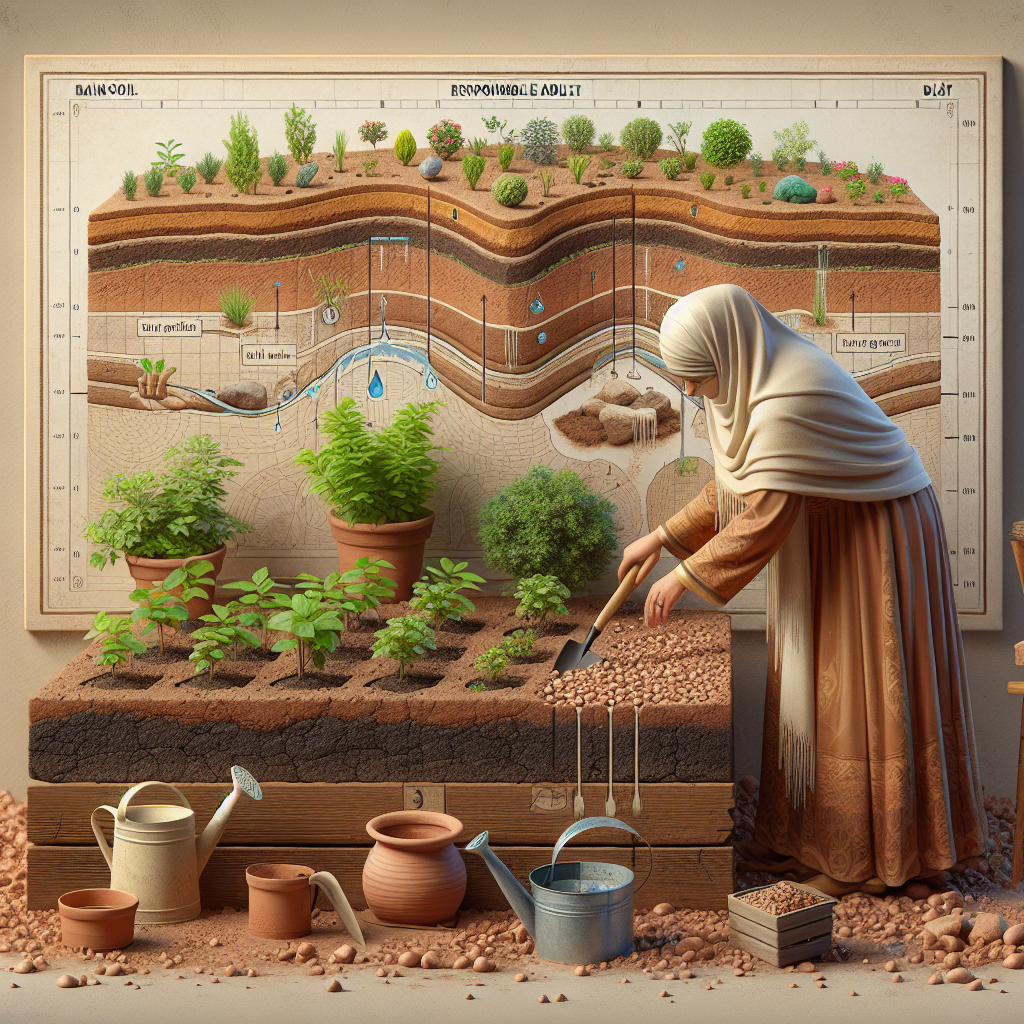
Rain gardens are an innovative way to manage stormwater runoff, enhance biodiversity, and create beautiful green spaces in your yard. While many people think about rain gardens thriving in sandy or loamy soils, those with clay soil can also create vibrant and functional rain gardens. In this article, we’ll explore the process of making a rain garden in clay soil, addressing common questions and laying out a step-by-step guide for successful implementation.
What Is a Rain Garden?
Definition and Purpose
A rain garden is a specially designed and planted depression in the landscape that allows rainwater to soak into the ground instead of flowing into storm drains. When rain falls, the roadways and impervious surfaces cause water to run off quickly. Rain gardens mitigate these effects, serving several purposes:
- Water absorption: Rain gardens help infiltrate excess rainwater into the ground, reducing flooding and erosion.
- Pollution reduction: As water is absorbed, pollutants—like oils and chemicals—get naturally filtered through the soil and plant roots, improving overall water quality.
- Biodiversity enhancement: They provide a habitat for various bird and insect species, bolstering local ecosystems.
Given these benefits, it’s easy to see why creating a rain garden in your own backyard can make a positive impact.
Understanding Clay Soil
Definition and Characteristics
Clay soil is composed of fine particles that are tightly packed together, making it less permeable than sandy or loamy soils. This implies that water drains slower, leading to potential pooling or waterlogging during heavy rains.
Key characteristics of clay soil include:
- High Water Retention: Clay can hold a considerable amount of water.
- Nutrient-Rich: Clay soils are often abundant in nutrients.
- Potential Compaction: When dry, clay can become hard and compact, making it difficult for roots to penetrate.
By understanding the characteristics of clay soil, you can efficiently adapt your rain garden design to ensure it functions properly.
Frequently Asked Questions
1. What is the ideal location for a rain garden in clay soil?
The ideal location for your rain garden should be at least 10 feet away from existing structures and not in a place where water naturally collects. Look for areas where water tends to drain, such as the downslope of your lawn or near downspouts from gutters. Ensure that it also allows for adequate sunlight, as most rain garden plants prefer to bask in sunshine for at least part of the day.
2. How large should a rain garden be?
The size depends on the area of the impervious surface that drains toward it. As a general rule of thumb, your rain garden should occupy approximately 20% of the area of the impervious surface. For example, if you have a 1,000-square-foot roof or driveway discharging water into the garden, aim for a rain garden that’s around 200 square feet.
3. What plants should I use in a rain garden with clay soil?
Select native plants that are adapted to your specific region and can thrive in wet conditions. Good choices for clay soil in rain gardens may include:
- Swamp Milkweed (Asclepias incarnata): Supports pollinators and is tolerant of wet conditions.
- Joe-Pye Weed (Eutrochium purpureum): Thrives in moist conditions and attracts butterflies.
- Blue Flag Iris (Iris versicolor): A beautiful, moisture-loving perennial.
- Cardinal Flower (Lobelia cardinalis): Vibrant red flowers that attract hummingbirds.
4. How can I improve drainage in clay soil for my rain garden?
To improve drainage, consider amending your soil with organic matter like compost, which can help break up the clay. Additionally, you may create a soil mix of 50% native soil and 50% organic compost to provide a better drainage solution while maintaining nutrient levels.
5. How do I maintain a rain garden in clay soil?
Regular maintenance includes monitoring plant growth, controlling weeds, mulching, and seasonal inspections after rain events. Watering may be necessary during the establishment period, especially in dry seasons, to help plants grow deep roots. Furthermore, ensure any accumulated debris is periodically removed to allow water to flow easily.
Step-by-Step Guide to Creating a Rain Garden in Clay Soil
Step 1: Design Your Rain Garden
Begin by sketching a layout for your rain garden. Consider the following aspects:
- Size and Shape: Aim for a shallow basin that’s about 4-8 inches deep.
- Location: Choose a place that captures runoff and drains well.
- Plant Selection: Research plants that are suited for your climate, considering height, color, and blooming times.
Step 2: Mark the Area
Once the design is finalized, mark the outline of your rain garden using stakes and string or spray paint. A rounded or kidney shape often works best for aesthetics and functionality.
Step 3: Excavate the Site
Excavate the area within your marked boundaries to a depth of 4-8 inches. Keep the sloping design in mind—make one side slightly lower to allow water to flow into the garden. Ensure you create a slight bowl shape, which will help with water retention.
Step 4: Amend the Soil
With clay soil, amending is crucial for proper drainage. Blend in organic materials, such as compost or well-decomposed leaves, to enhance permeability. Start with a ratio of 50% native clay soil and 50% organic matter, and adjust based on how well it drains (you want a consistency that allows water to pool but still drains within 24 hours).
Step 5: Create a Berm
Consider creating a berm (a small hill) around the edges of the rain garden to further contain collected water. This can be made from the soil removed during excavation. The purpose of the berm is to divert water into your garden area and contain the runoff.
Step 6: Plant Selection and Installation
Choose your plants carefully, ensuring they are adapted to clay conditions. Divide your plants into three layers:
- Wet Zone: Place species that can tolerate frequent water, like the Blue Flag Iris, at the bottom of the basin.
- Moist Zone: Use plants that prefer consistently moist conditions, such as Swamp Milkweed or Cardinal Flower, in the central area.
- Dry Zone: Select species that thrive in drier conditions to plant around the upper edges, such as Black-Eyed Susans.
When planting, dig holes that are twice as wide as the root ball but just as deep, and backfill with the amended soil mixture.
Step 7: Watering and Mulching
Once you’ve planted all the species, deeply water your newly planted garden to help roots settle in. Apply a layer of mulch around the plants to retain moisture, suppress weeds, and enhance aesthetics. Organic mulch, such as shredded bark or wood chips, is ideal.
Step 8: Observe and Maintain
After construction, closely observe your rain garden. Document how well it captures rainfall, which plants thrive, and whether drainage issues arise. Fine-tune your rain garden based on these observations—adjust watering schedules, supplement nutrients, and replace any plants that struggle.
Maintenance Tips
- Weeding: Regularly remove invasive species to allow your native plants some room to thrive.
- Mulching: Add mulch annually for moisture retention and weeds suppression.
- Seasonal Inspection: After heavy rains, check for erosion or silt buildup and clear any excess debris.
- Pruning: In late winter or early spring, prune any dead plants to give space for growth.
The Environmental Impact of Your Rain Garden
Creating a rain garden is more than just a gardening project; it actively contributes to environmental wellness.
Water Quality
With rain gardens capturing and retaining runoff, they significantly decrease the volume of untreated stormwater entering local streams and creeks. This, in turn, helps improve local water quality and reduces the frequency of combined sewer overflow events.
Habitat Creation and Biodiversity
Your rain garden will provide a crucial habitat for local pollinators like bees and butterflies, as well as birds and other wildlife. By planting native species, you contribute to local biodiversity, making your garden a nexus of ecological activity.
Climate Resilience
Rain gardens also mitigate the effects of climate change by reducing urban heat islands and lessening flooding risks. In times of extreme weather events, rain gardens can absorb runoff, minimizing localized flooding and protecting surrounding properties.
Self-Sustainability
A well-constructed rain garden becomes self-sustaining over time, requiring less maintenance and fewer resources. Once established, the native vegetation should thrive with minimal intervention, making it an eco-friendly choice.
Conclusion
Creating a rain garden in clay soil, while presenting its unique challenges, can lead to stunning landscapes that benefit both homeowners and the environment. With thoughtful design, appropriate plant selection, and a commitment to ongoing maintenance, your rain garden can become a thriving ecosystem that captures rainfall, filters pollutants, and offers beauty and biodiversity to your yard.
By putting in this effort, you not only beautify your space but also contribute to broader environmental health. So roll up your sleeves, grab your gardening tools, and embark on this rewarding project—you will be enriched in ways that extend beyond the flora you cultivate.
The earth will thank you, the ecosystems will celebrate you, and the plants will thrive under your attentive care. Happy gardening!