
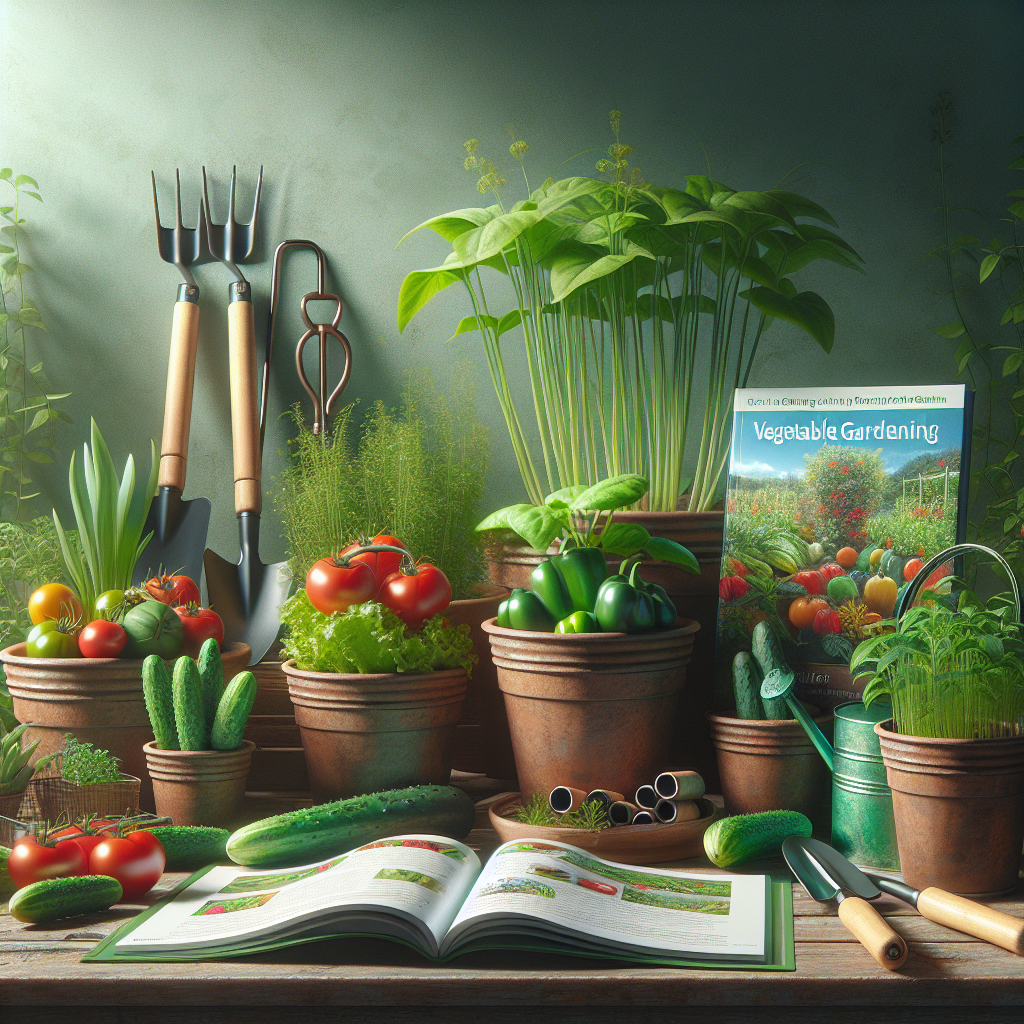
Growing your own vegetables can be a rewarding endeavor, and with the rise of urban gardening and smaller living spaces, container gardening has become increasingly popular. One of the most versatile container sizes for growing vegetables is the 1-gallon pot. This article will provide an in-depth examination of what vegetables thrive in 1-gallon pots, how to care for them, and tips for maximizing your gardening success.
Why Choose 1-Gallon Pots?
Space Efficiency
1-gallon pots are perfect for those with limited outdoor space. They can easily fit on balconies, patios, and even windowsills, allowing you to enjoy your own garden without needing a traditional plot of land.
Mobility
If you want to take advantage of changing sunlight conditions, 1-gallon pots give you flexibility. You can move them around the space to ensure they receive optimal sunlight throughout the season.
Reduced Pests and Diseases
Growing in pots can help reduce incidence of pests and diseases as compared to traditional garden beds. The controlled environment of a pot allows you to monitor conditions closely and make swift changes if needed.
Easy to Manage
1-gallon pots are manageable for both novice and seasoned gardeners. They require less water and soil than larger containers, making them easier to care for.
What Vegetables Can You Grow in 1-Gallon Pots?
There are numerous vegetables that can thrive in 1-gallon pots. Below is a comprehensive list of the best candidates, along with care tips for each.
1. Herbs
Common Varieties:
- Basil
- Parsley
- Cilantro
- Thyme
Why They Work: Herbs have shallow root systems and don’t require a lot of space, making them perfect for 1-gallon pots. They also add flavor to your dishes and can be harvested continuously.
Care Tips:
- Soil: Use well-draining potting mix.
- Light: Most herbs prefer full sun (6-8 hours of sunlight).
- Watering: Keep the soil consistently moist, but not soggy.
2. Lettuce and Salad Greens
Common Varieties:
- Leaf Lettuce
- Spinach
- Arugula
- Mustard Greens
Why They Work: These vegetables are quick-growing and shallow-rooted, which makes them well-suited to container gardening.
Care Tips:
- Soil: Light, nutrient-rich potting mix works best.
- Light: They prefer partial shade, especially in hot regions.
- Watering: Water frequently, ensuring the soil does not dry out completely.
3. Radishes
Common Varieties:
- Cherry Belle
- French Breakfast
- Black Radishes
Why They Work: Radishes are fast-growing and can be harvested in as little as four weeks, making them perfect for quick crops in a 1-gallon pot.
Care Tips:
- Soil: Use a light, well-draining potting mix.
- Light: Full sun is ideal.
- Watering: Keep the soil evenly moist but avoid waterlogging.
4. Peppers
Common Varieties:
- Bell Peppers
- Jalapeños
- Banana Peppers
Why They Work: Many pepper varieties do well in containers, and small pepper plants can easily adapt to a 1-gallon pot.
Care Tips:
- Soil: Use a rich, well-draining potting mix.
- Light: They thrive in full sun (at least 6 hours).
- Watering: Allow the soil to dry slightly between waterings.
5. Tomatoes
Common Varieties:
- Tiny Tim
- Patio Princess
- Micro Tom
Why They Work: While most tomatoes require larger pots, certain dwarf varieties can thrive in 1-gallon containers.
Care Tips:
- Soil: Nutrient-rich potting mix with good drainage is essential.
- Light: Full sun for at least 6-8 hours.
- Watering: Water deeply but infrequently; let the top layer dry before watering again.
6. Green Onions
Why They Work: Green onions can be regrown from kitchen scraps, making them a sustainable choice for container gardening.
Care Tips:
- Soil: A standard potting mix works fine.
- Light: They benefit from full sun, though some shade during the hottest part of the day is beneficial.
- Watering: Keep soil evenly moist.
7. Carrots
Common Varieties:
- Thumbelina
- Parisian
- Short and Stumpy
Why They Work: Certain shorter varieties of carrots can thrive in 1-gallon pots due to their shallow root systems.
Care Tips:
- Soil: Sandy, loose soil is preferable for root growth.
- Light: Full sun.
- Watering: Water regularly but avoid over-saturation.
Frequently Asked Questions
1. How Many Vegetables Can I Grow in a 1-Gallon Pot?
The number of plants you can grow in a 1-gallon pot depends on the type of vegetable. For smaller herbs and greens, you might fit several plants. For larger varieties like peppers or tomatoes, it’s best to stick with one plant per pot.
2. What Soil Should I Use?
A good-quality potting mix is crucial. Opt for a soil that is lightweight and drains well, as heavy soil can lead to water retention and root rot.
3. How Often Should I Water?
Water frequency will depend on multiple factors such as the plant type, weather conditions, and time of year. Generally, it’s best to check the topsoil; if it feels dry an inch down, it’s time to water.
4. Can I Use Homemade Compost?
Yes, but ensure it’s well-aged and balanced. A mixture of compost and potting soil is often the best choice, as pure compost may not drain well enough for healthy vegetable gardening.
5. How Can I Fertilize My Vegetables in Pots?
Fertilizing with a balanced, water-soluble fertilizer every 4-6 weeks can help support healthy growth. It’s important to follow the instructions on the fertilizer packaging to avoid overfeeding.
6. What If My Plants Aren’t Growing as Expected?
Evaluate the light, soil, and watering conditions. Sometimes adjusting one of these factors can significantly impact plant growth. Also, consider checking for pests or diseases.
Best Practices for Growing in 1-Gallon Pots
1. Drainage
Always ensure your pots have drainage holes to prevent water from pooling at the bottom, which can lead to root rot.
2. Companion Planting
Consider companion planting to optimize space and improve growth. For instance, you can plant basil alongside tomatoes for improved flavor and growth.
3. Seasonal Considerations
Be mindful of the seasons. Some plants thrive in cooler weather (like lettuce and spinach), while others prefer warmth (like tomatoes and peppers).
4. Rotation and Successive Planting
If you’re growing crops like lettuce or radishes that can be harvested quickly, consider successive planting. After harvesting, plant new seeds in the same pot to maximize productivity.
5. Pest Control
Keep an eye on your plants for signs of pests or diseases. Natural remedies, such as insecticidal soap or neem oil, can be effective without the use of harsh chemicals.
6. Use Trellises for Vertical Growth
For plants like peas or certain tomatoes, consider adding a small trellis in their pot to maximize space and allow them to grow vertically.
7. Regular Maintenance
Regularly check your plants for any signs of nutrient deficiencies or pests. Pruning dead leaves and ensuring that your plants have adequate air circulation can significantly enhance their health.
Conclusion
Growing vegetables in 1-gallon pots is not only feasible but convenient, engaging, and rewarding. With careful planning and consideration of the vegetable type, soil, light, and water conditions, you can create a highly productive as well as aesthetically pleasing garden, even in a small space. Whether you’re a novice gardener or an experienced green thumb, 1-gallon pots present a unique opportunity to cultivate a wide variety of vegetables with ease.
By adhering to the care tips, regularly tending to your garden, and enjoying the process, you can succeed in creating a flourishing vegetable garden right at home. So go ahead, grab your 1-gallon pots, and start your gardening journey today!